Is your phone full of photos you never look at? Photography for seniors can change that.
This article covers how to start, from using the phone you already own to learning a few simple skills.
It also covers photography walks (the kinds there are, how to plan one and where to find events), easy-on-the-body gear, a quiet way to slow down and unwind, sharing photos with family, and photographing spring flowers in parks and gardens.
The Age-Reversing Secret: Digital Photography and Visual Storytelling
Here’s the hobby that’s transforming retirement: digital photography and visual storytelling.
You might be thinking, “Photography? That’s it?” But stick with me. This isn’t just about taking pictures. It’s about rediscovering wonder, learning new technology, and creating a legacy that spans generations.
The magic happens because photography engages so many parts of life. You’re constantly learning new techniques, which keeps your mind busy. You’re exploring new places for the perfect shot, which gets you outside and moving.
Most importantly, you’re creating something meaningful that connects you with family, friends, and even strangers who appreciate your unique perspective. When was the last time something made you feel that vital and engaged?
Why Photography Is Perfect for Your Life Stage
Think about the advantages you already have that younger photographers don’t.
You’ve got decades of life experience to draw from. Every wrinkle tells a story, every travel memory provides rich subject matter, and your appreciation for meaningful moments runs deeper than any 20-something’s.
You also have something precious: time and freedom. While younger people rush through their days, you can wait for the perfect light, spend hours perfecting a composition, or return to the same location multiple times to capture it just right.
Photography also adapts to your needs. Modern cameras are lighter and easier to handle than ever before. Auto-focus features help with sharp pictures, and digital editing lets you enhance photos without needing a dark room.
Whether you prefer staying active and adventurous or working on projects from home, photography offers options for every energy level and mobility situation.
Your Photography Journey: From Beginner to Storyteller
Starting your photography adventure doesn’t require expensive equipment or years of training.
Begin with what you have. Your smartphone camera is more powerful than professional equipment from just a decade ago. Learn the basics of composition, like the rule of thirds and leading lines, using the device already in your pocket.
Choose your style. Maybe you’re drawn to capturing your grandchildren’s personalities in candid moments. Perhaps you want to document your neighborhood’s changing seasons or preserve family gatherings for future generations.
Some people find real fulfillment in macro photography: extreme close-ups of flowers, insects, or textures that reveal hidden worlds right in their backyard.
Others discover a passion for travel photography, turning weekend drives into artistic expeditions. The beauty is that photography grows with your interests and capabilities.
Master the technical side gradually. Modern cameras do most of the work automatically, but learning manual controls opens up creative possibilities. Take one small step at a time. Maybe this week you’ll learn about natural lighting, and next week you’ll experiment with different angles.
Share your vision. This is where the real magic happens. When you share your photos, whether on social media, in family albums, or through local photography groups, you’re sharing your unique perspective on the world.
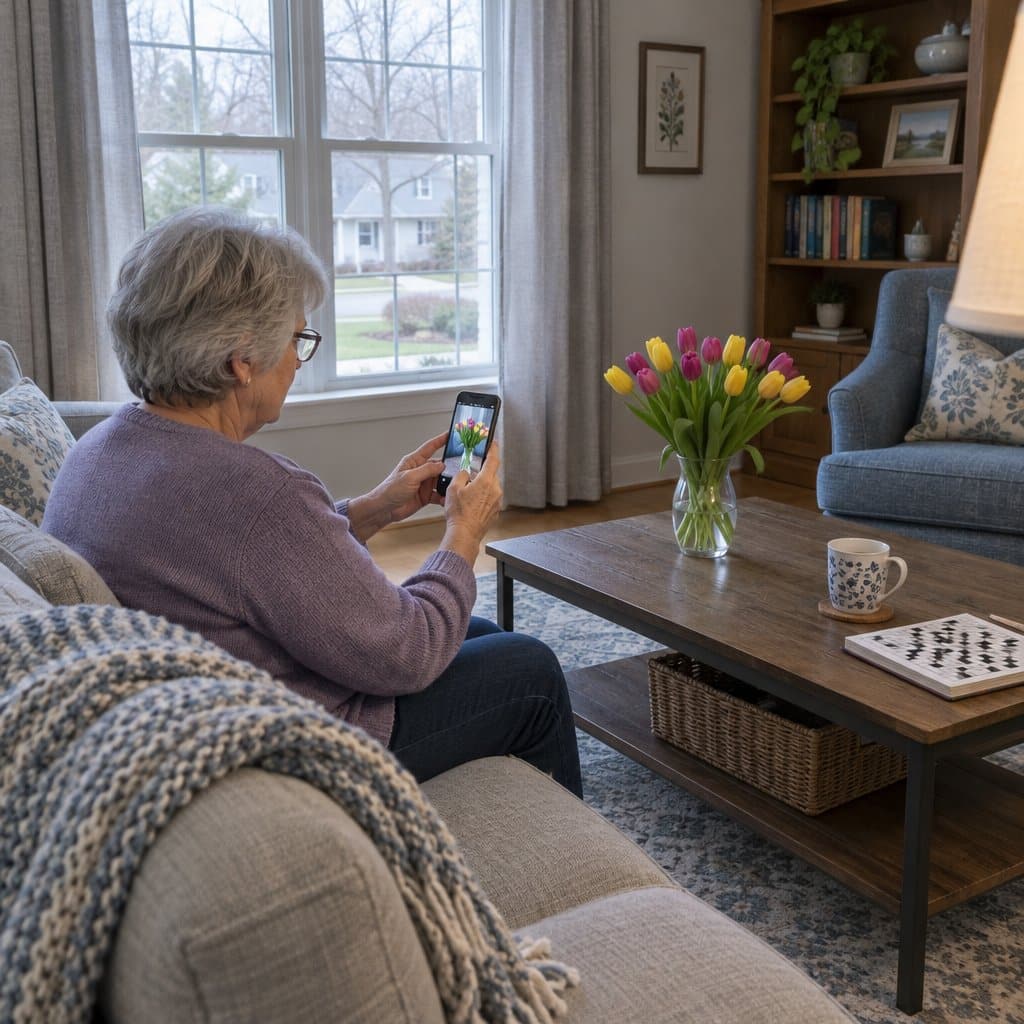
Photography Walks: Types, Planning and Events
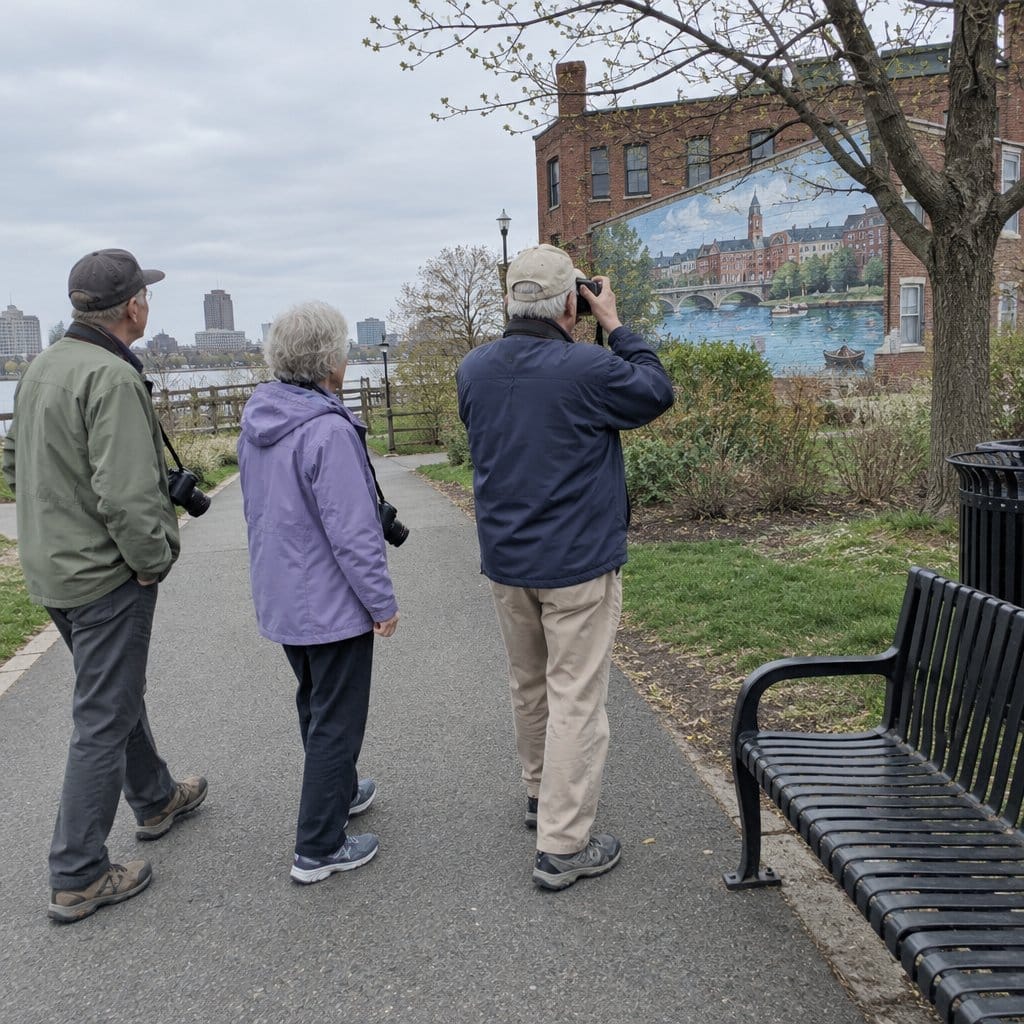
A photography walk mixes a camera with a leisurely stroll. You get some exercise, you meet people who like the same thing, and you start noticing things you walked past before.
There are a few kinds of walks to choose from. Nature walks take you through a park or forest for wildlife, plants, landscapes and the changing seasons.
Urban walks send you down streets of old or modern buildings. Some of the most striking shots turn up in alleyways with graffiti.
Themed walks follow one idea, such as historic landmarks, a color, a shape or a sunset. Social walks are mostly about meeting others, and groups often trade tips along the way.
To plan an outing, start with the camera. A lightweight point-and-shoot, or a digital SLR with a comfortable strap, is easy to carry. Pack a spare battery and a lens cloth.
Pick a location that fits your theme. Early morning light and the hour before sunset are both lovely, and it is worth checking the forecast first.
Choose paths that are easy to walk, wear comfortable shoes, and dress in layers. Tell someone where you are going and when you will be back. Charge your phone, carry identification, and be respectful of the people and places you photograph.
For company, local walks are the easiest way in. Community centers, photography clubs and local event websites list them, and the date, time and theme are usually shared ahead of time. If you want a bigger trip, photography tours across the country or overseas often include a professional photographer as a guide.
Afterward, a little editing helps. Adjust the brightness and contrast, then crop away distractions at the edges.
Give your albums clear names, like “Historic Downtown Walk.” Photo books, frames and digital frames all keep your pictures in view.
One trade-off: a group walk or tour sets the schedule and pace, so you may not get to linger over a shot as long as you would on your own.
The Technology Advantage (It’s Easier Than You Think)
Let’s address the elephant in the room: technology can feel intimidating.
But here’s what might surprise you: today’s cameras and phones are designed to be user-friendly, with interfaces that are simpler and more intuitive.
Start with automatic modes and gradually explore manual settings. Learning new technology skills can be a satisfying way to keep your mind busy. Ask your doctor if you have memory concerns.
Your grandchildren will love teaching you about photo editing apps or social media platforms. Suddenly, you become the student and they become the teacher, which makes for a nice chance to bond.
Cloud storage means your precious memories are safely backed up, and you can access them from any device. Family members can instantly see your latest adventures, no matter how far away they live.
The best part? Photography communities online are incredibly welcoming to newcomers. Unlike some corners of the internet, photography groups tend to be supportive, patient, and eager to help beginners improve their skills.
Photography Gear That Makes Things Easier on Your Body
Limited mobility or physical restrictions do not have to keep you from photography. A few adaptations go a long way.
Start with the camera itself. A lightweight, compact camera is easy to handle and easy to carry.
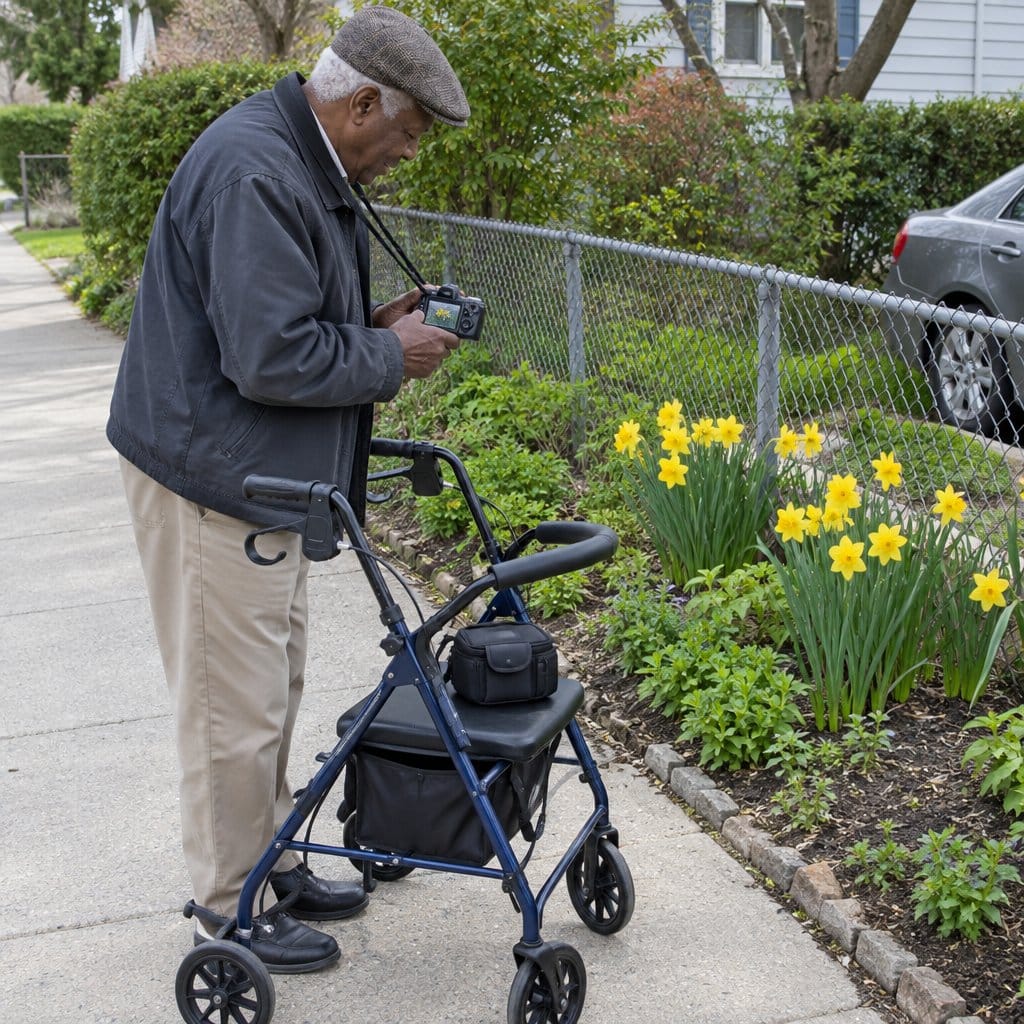
Attachable grips give you extra stability. A neck strap spreads the weight out, so carrying the camera is more comfortable.
A sturdy, height-adjustable tripod helps you keep a shot steady, whether you are sitting or standing. Some tripods convert to monopods or to walking sticks for added support on photo outings.
A rollator can get you around, and it gives you a place to rest your camera and accessories.
A portable stool or a lightweight chair lets you sit down now and then during a longer session. That makes it easier to get out into nature and enjoy the benefits of moving your body.
One trade-off to keep in mind: each piece of gear is one more thing to carry, store and set up. Add items one at a time, and keep only what actually helps.
The Health Benefits That Go Beyond the Camera
Photography isn’t just a hobby. It also gets you outside, moving and connecting with people.
Physical benefits include more walking and outdoor activity as you search for interesting subjects. Holding and operating a camera gives your hands some practice, and you may notice you pay more attention to how you stand.
Mental benefits are worth a mention too. Creative activities like photography are relaxing for some people. If low mood or anxiety lingers, talk with your doctor.
Many people find a hobby gives them something to look forward to. When you’re excited about your next photo project, you may wake up with more energy and enthusiasm.
Photography also combats isolation by connecting you with communities of like-minded people. Whether it’s a local camera club, online photography group, or family members who appreciate your images, photography builds social connections naturally.
Photography brings together mental stimulation, physical activity, social connection, and personal fulfillment.
Photography as a Quiet Way to Slow Down and Unwind
Photography can work a bit like other creative outlets, such as painting or writing. It gives you a reason to pause and take a good look at what is around you.
When you photograph a meaningful moment, you get a chance to be present in it. Composing a shot means deciding what caught your interest, and that keeps your attention on one thing at a time.
Looking back over your images adds something too. You can notice what draws you in, both with your eyes and with your feelings.
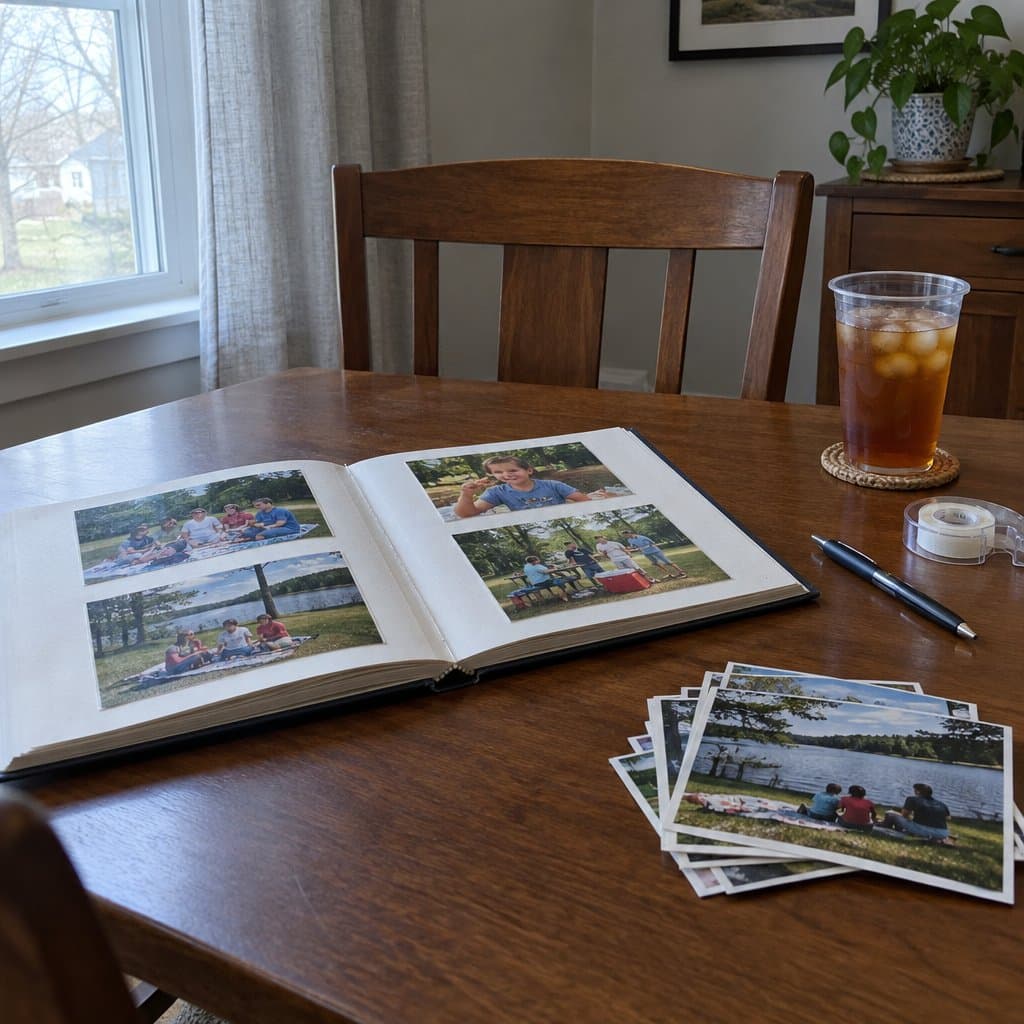
Photo journaling is one way to put this to work. You may find it helps you feel calmer.
The idea is to build albums of your life, your family and your interests. Flipping through printed photo collections brings up good memories and warm feelings, and it encourages reminiscing.
Sharing a special photo with someone you love can also lead to a closer connection and a sense of purpose.
One trade-off to keep in mind: photo journaling takes some steady effort, since an album only fills up if you keep adding to it. It is a calming habit, not a quick fix, so give it time.
Building Your Photography Community
One of photography’s greatest gifts is the instant community it provides.
Local camera clubs welcome members of all skill levels. Community colleges may offer photography classes. Many camera stores host free workshops where you can learn techniques and meet fellow enthusiasts.
Online communities offer support and inspiration any time of day. You can share your work, get feedback, and learn from photographers around the world, all from the comfort of your home.
Don’t underestimate the joy of teaching others. Share your knowledge with grandchildren, mentor newcomers at photography groups, or create family photo projects that bring everyone together. Teaching reinforces your own learning while creating meaningful connections.
Consider starting a neighborhood photography group or organizing photo walks with friends. You’ll be amazed how many people share your interest once you start talking about it.
Reviewing old photos is a nice way to reminisce, and learning new techniques gives your mind something to work on. Printed albums are a good way to enjoy that, and a photo printer can help you make them. Anyone dealing with grief, low mood or memory worries should talk with their doctor.
Photography also builds connection. Joining a club and going on group photo walks gives you people to share the hobby with. You can share your creations on social media or in printed books, and being active both online and in person helps with isolation.
To start, use your smartphone camera to learn before you buy equipment. If you want more control and picture quality later, an entry-level mirrorless or DSLR camera is the next step. A club or class gives you guidance and mentors, and it is a quick way to improve.
Practice the basics first: composition, lighting and editing. Try nature, travel, portrait and still life to see what you like, and add tripods, external flashes or remote triggers as you advance. Be patient, stay curious and have fun.
One trade-off to keep in mind: a course, a camera and a club all add up. Photography is a lifelong learning process, so expect progress to build over time.
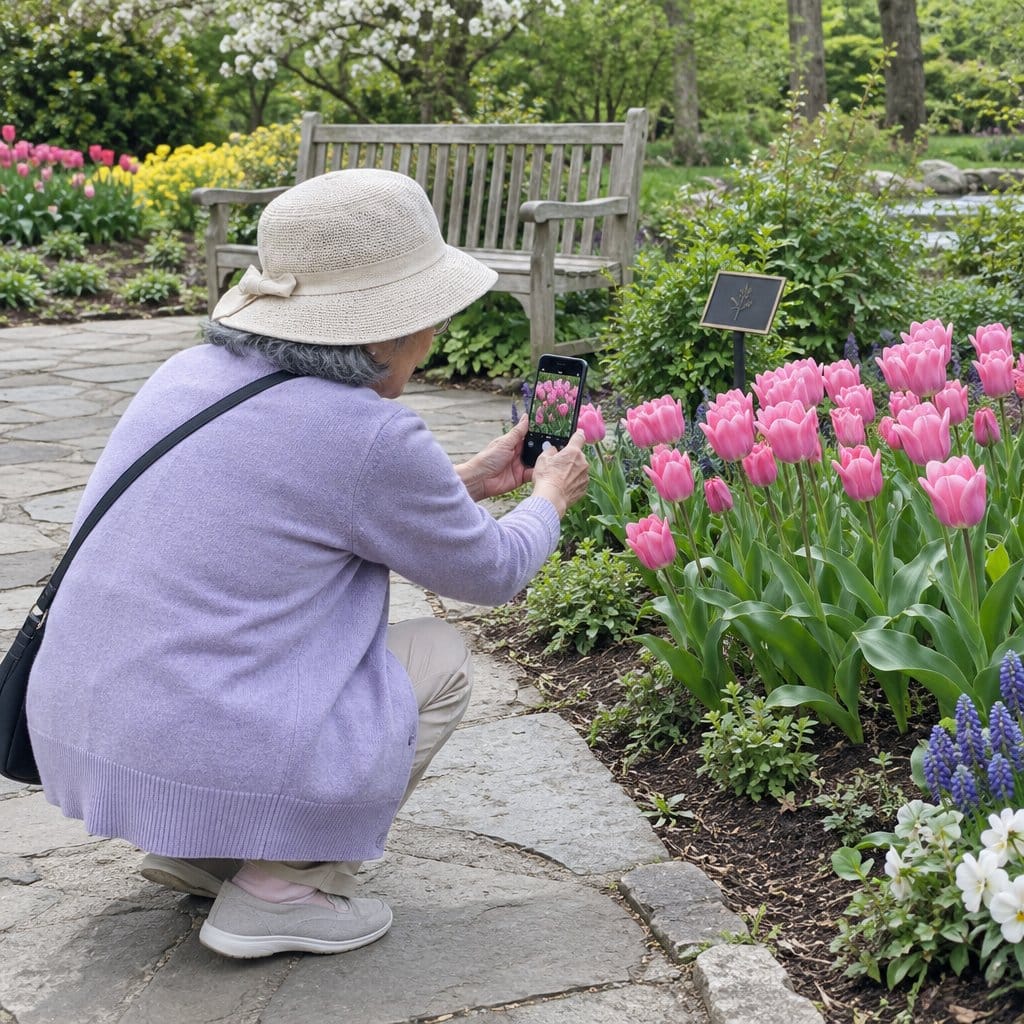
Photographing Spring Flowers in Parks and Gardens
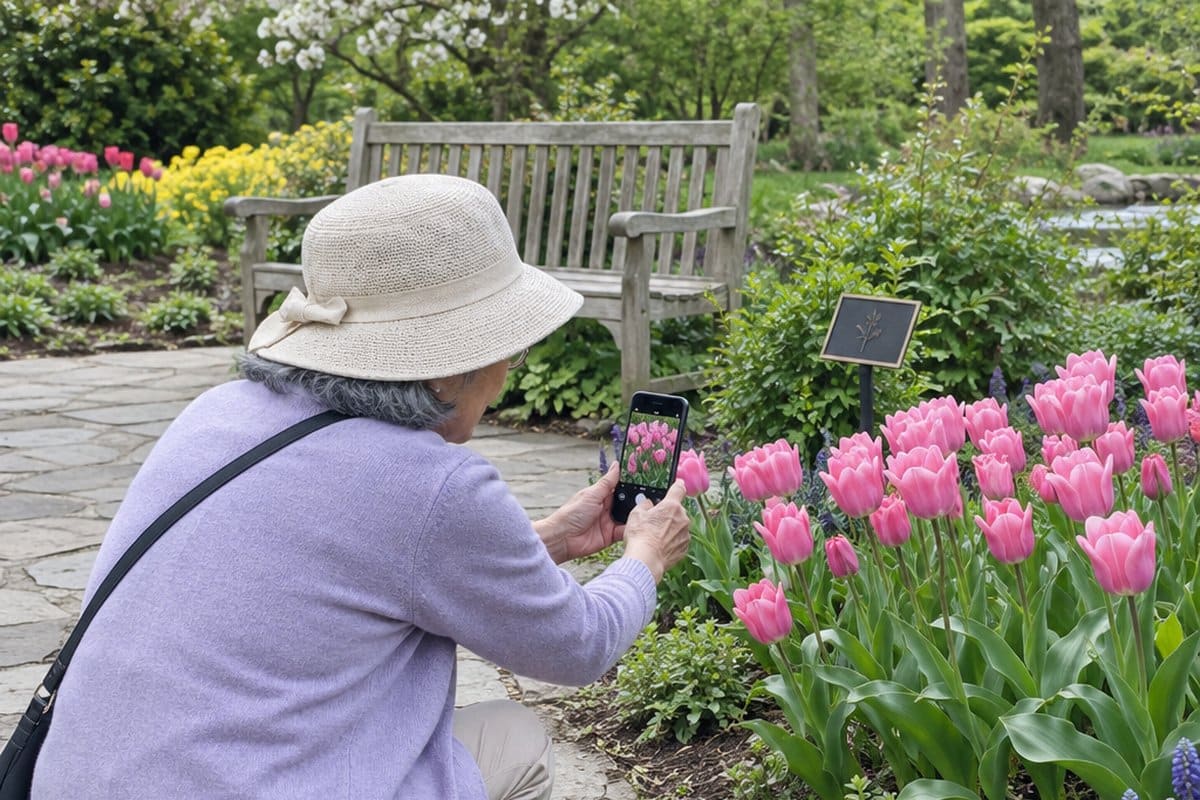
Spring is a lovely time to take a camera outside. Blooms and landscapes are at their peak, and a simple walk in the park to photograph flowers can bring back your appreciation for what is around you.
Your phone’s camera is plenty. Start in your own neighborhood and look for budding flowers or a quiet park scene. Strolling through a garden, you will notice details like dew on petals or a butterfly’s wings.
A few easy tips help the pictures turn out well:
- Keep your hands steady, or use a tripod, for clear images.
- Use the “auto” settings and let the camera handle the adjustments.
- Shoot in the morning, when the light is excellent for vibrant color.
- Zoom with a tap on your smartphone instead of moving closer.
Planning helps too. Look up local parks or gardens ahead of time. An outing does not need to be long, since even a brief visit can give you beautiful photos.
Take it slow. Enjoy the process rather than rushing for the perfect shot, because every bloom has its own beauty. Take frequent breaks, and stay active at a pace that feels comfortable.
Look after the place as you go. Stay on the paths and avoid picking the flowers, so the beauty lasts for everyone.
Photography is also a good way to keep learning new skills and watch them grow, much like the blooms you are capturing. A photography group or workshop adds some company, and it is similar in spirit to community gardening for health and happiness.
When you are done, share your photos with family or friends. Telling the story behind a picture is a pleasant way to connect and share memories.
One trade-off to keep in mind: spring blooms are seasonal, so the best flower shots depend on timing. Visit when the flowers are at their peak, and go back if you miss them.
Your Adventure Starts with One Photo
Photography has the unique power to make every day feel like an adventure, even if you never leave your neighborhood.
When you look through a camera lens, you start seeing the world differently. Ordinary moments become extraordinary compositions. A simple walk becomes a treasure hunt for interesting light and shadow.
The confidence that comes from learning something new and creating pictures you like can spill over into other areas of life. You may find you are trying things you had not thought of before.
Just like finding new skills to learn, photography is a reminder that it is never too late to pick up something creative.
Start small. Take one photo today that captures something beautiful or meaningful in your world. Notice how it makes you feel to really observe and appreciate that moment.
Your journey into photography doesn’t require perfection. It just requires curiosity and a willingness to look at your world a little differently.
What will your first photo adventure be? Share your photography journey or ask questions in the comments below. Your experience might inspire someone else to pick up a camera. You can also subscribe to our newsletter for more tips and product recommendations.