
Maybe it was a Saturday morning when you realized you hadn’t had a real conversation in days. If so, you’re not alone, and this article on how to beat loneliness and find new friends is for you.
We’ll look at why connection fades, then cover friendly places to meet people, tech-free ways to make friends face to face, where to look for groups near you (or how to start your own), and technology that keeps you close to family and community.
The Quiet Pattern Many Don’t Notice
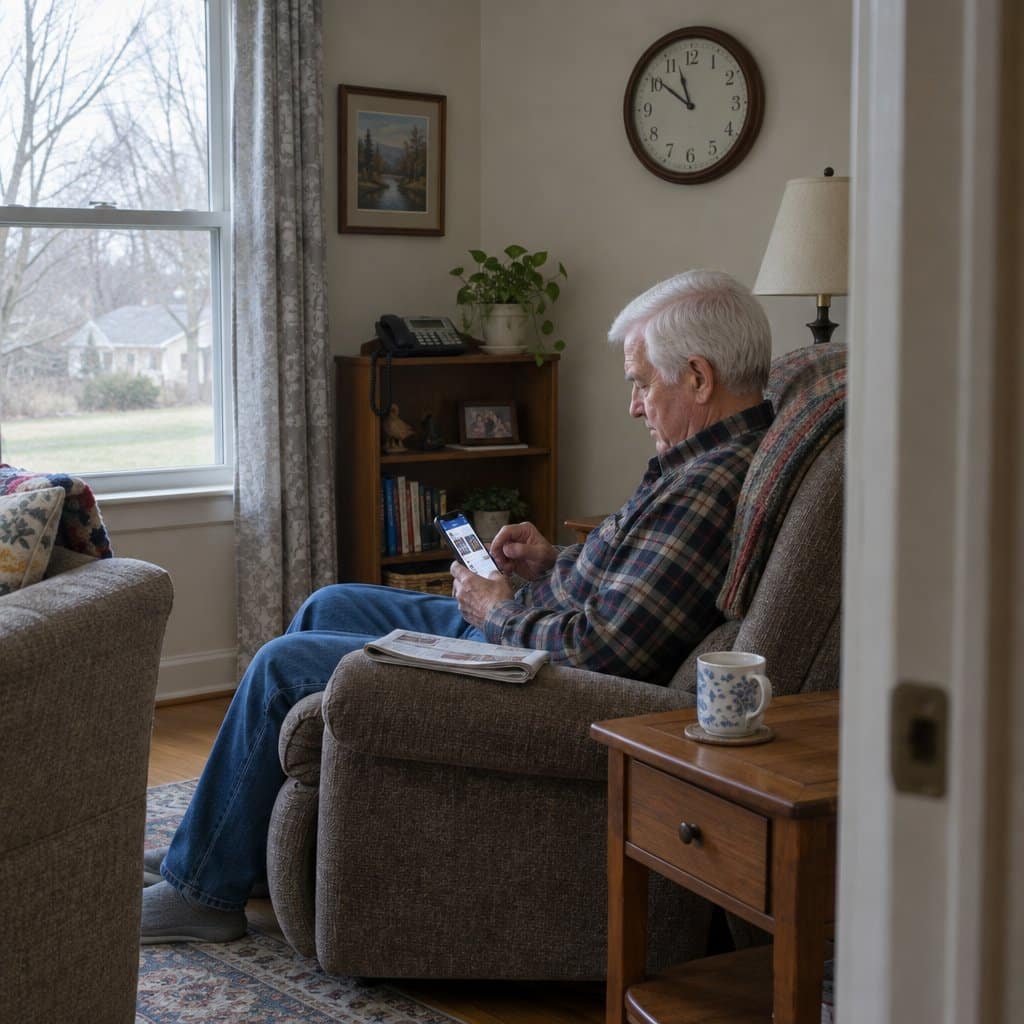
Perhaps you’ve caught yourself scrolling through your phone, checking the time, and realizing hours have passed without meaningful interaction. You might have even convinced yourself that solitude is just part of this season of life.
But here’s what many independent, capable older adults are discovering: Loneliness isn’t a personal failure. It’s a signal that you’re ready for something more.
Before we go further, let’s talk about why this happens to people who’ve built such full, independent lives.
Understanding Why Independence Can Feel Isolating
The Retirement Paradox
After decades of structured workdays, commutes, and regular interactions, retirement can feel like a gift wrapped in unexpected quiet. You finally have time for yourself, and then you realize how much of your social life was built into your work routine.
You’ve created a life where you don’t need to rely on others, which is wonderful. But that same independence can mean fewer reasons to leave the house or connect regularly.
When Busy Lives Slow Down
The pace of life changes, and sometimes social connections drift without anyone noticing. Adult children have their own responsibilities, friends move or pass away, and suddenly the phone rings less often.
None of this means you’ve done something wrong. It simply means your life is calling for a new chapter of connection.
The Health Connection You Need to Know
Researchers have linked long-term loneliness to health problems, and it is worth mentioning to your doctor if it weighs on you. This isn’t meant to alarm you, but to say that what you’re feeling matters.
Staying socially active may also be good for your thinking and memory, according to this research. Your desire for connection isn’t a weakness. It’s your body and mind telling you something important.

5 Unexpected Places Where Seniors Are Finding Their Closest Friends
Here’s where things get interesting. While you might think making friends at this stage of life requires extraordinary effort, the truth is simpler: You just need to show up in the right places.
Library Programs & Community Centers
Your local library isn’t just about books anymore. Book clubs, art classes, wellness programs, and technology workshops create built-in conversation starters with people who share your interests.
Why it works: Everyone arrives with a common purpose, taking the pressure off of “making friends” and letting connections happen naturally.
How to start: Call your local library or community center and ask about upcoming programs. Pick one that genuinely interests you, not what you think you “should” try.
What to expect: The first visit might feel a bit awkward, but that’s completely normal. Most groups welcome newcomers warmly, and by the third session, you’ll likely recognize familiar faces.
Interest-Based Groups on Meetup.com
Meetup isn’t just for young people. Groups exist for photography enthusiasts, garden lovers, book readers, travel planners, and almost every hobby imaginable.
Why it works: You’re connecting around shared passions, which gives you instant common ground. Age becomes less relevant when you’re all excited about the same thing.
How to start: Visit Meetup.com and search by your interests or zip code. Many groups are specifically welcoming to older adults, though you don’t have to limit yourself to age-specific groups.
What to expect: Groups vary in size and formality. Some are casual coffee meetups, others are structured activities. Read descriptions carefully and don’t be discouraged if the first group isn’t your fit. Try another.
Volunteer Organizations
Animal shelters, food banks, literacy programs, and community gardens are constantly seeking reliable volunteers. Purpose-driven work creates surprisingly deep bonds.
Why it works: Working together toward something meaningful builds connection faster than small talk ever could. You’re also contributing to your community, which adds a sense of purpose to your social life.
How to start: Consider what causes matter to you, then search “volunteer opportunities near me” along with that interest. Many organizations offer flexible schedules.
What to expect: You’ll likely start with orientation and training, giving you time to meet other volunteers. Commit to at least a few sessions before deciding if it’s right for you.
Faith Communities & Spiritual Groups
Beyond traditional services, many faith communities offer small group gatherings, service projects, and social events that create opportunities for genuine friendship.
Why it works: Shared values and regular gatherings make it easier to develop lasting relationships. You’re not just meeting people, you’re building community.
How to start: If you’re already part of a faith community, explore their small group offerings. If you’re new to an area or looking to reconnect, visit a few different communities to find one that feels welcoming.
What to expect: Most groups understand that new people might feel nervous and will go out of their way to help you feel included.
Ready to discover more ideas for healthy, comfortable living? Subscribe to our newsletter for tips and product recommendations.
Online Communities with In-Person Connections
Facebook groups for specific interests (vintage collections, gardening, local history, or hobby forums) often organize regional meetups where online friendships become real-world connections.
If traditional holiday gatherings aren’t meeting your social needs, many seniors are creating their own celebration traditions that feel more authentic and fulfilling.
Why it works: You get to know people through online conversation first, which can feel less intimidating than walking into a room of strangers. When you do meet in person, you already have shared context.
How to start: Search Facebook for groups related to your interests, especially those with “local” or your city name in the title. Join, participate in discussions, and watch for meetup announcements.
What to expect: Online communities vary widely in activity levels. Some are chatty and social, others are more information-focused. Don’t give up if the first group isn’t active. There are plenty more to explore.
Where to Look for Groups Near You, or Start Your Own
Knowing what kind of group you want is one thing. Finding it in your own town is another, and the places to look are simpler than you might expect.
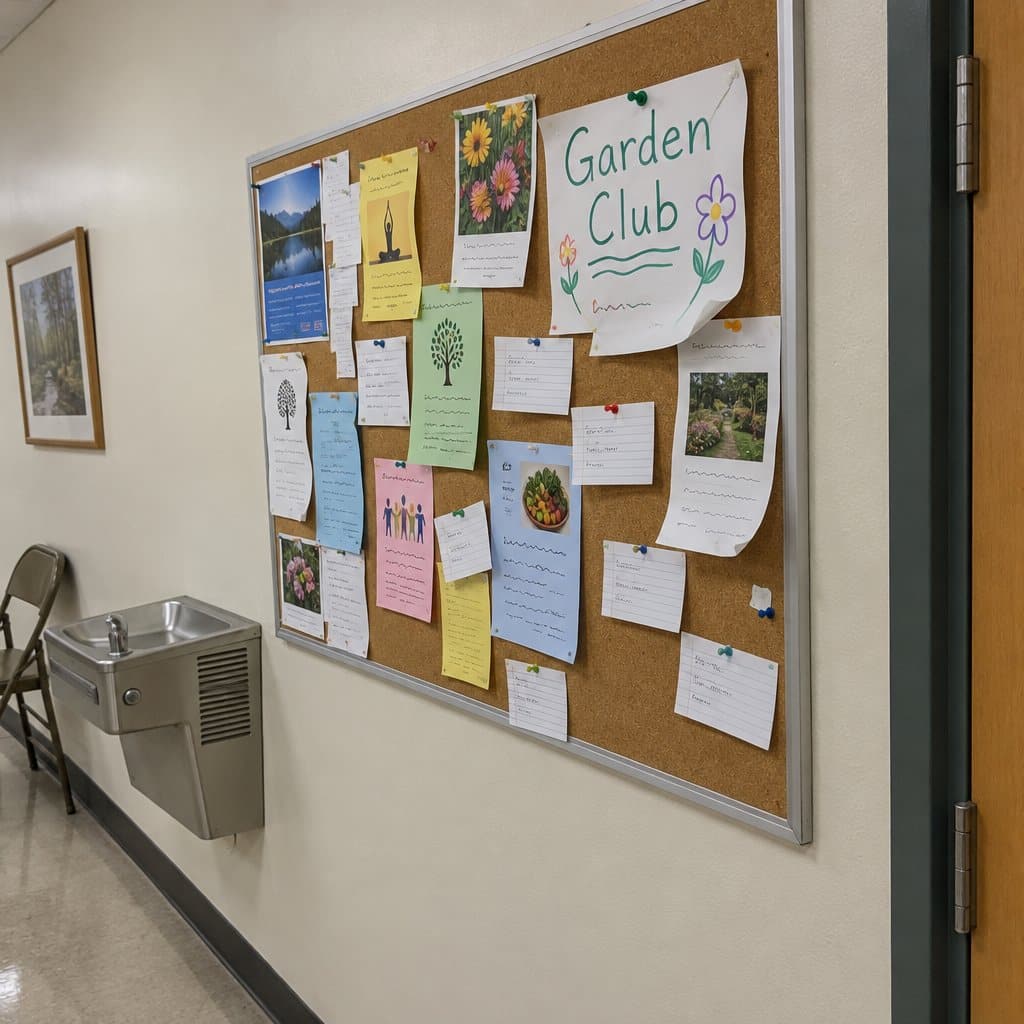
Libraries, coffee shops, and community centers often have a bulletin board covering the wall by the door. Local newspapers and community newsletters list gatherings too.
Your local senior center is worth a visit, even if you do not think of yourself as a “senior center person.” Garden centers can tell you about senior garden programs, and volunteer coordinators can point you to causes that match your interests.
If nothing fits, you can start something yourself. Many of the most successful senior social groups began with just two or three interested people and a simple flyer or online notice.
Starting a group when you are making new friends may sound like a lot. A small start is enough, and the people who answer a flyer are already hoping to meet someone, just as you are.
The one catch is that your search may not turn up the right group on the first try, so check a few of these places before you decide.
Tech-Free Ways to Make Friends Face to Face
Not every friendship has to start on a screen. If you would rather sit across from someone, several kinds of groups are built for that, and they are a good fit if you want to build lasting bonds in person.
What they share is a purpose. Friendships tend to form when you are busy with something that matters to you, next to people who care about it too.
Community garden co-ops
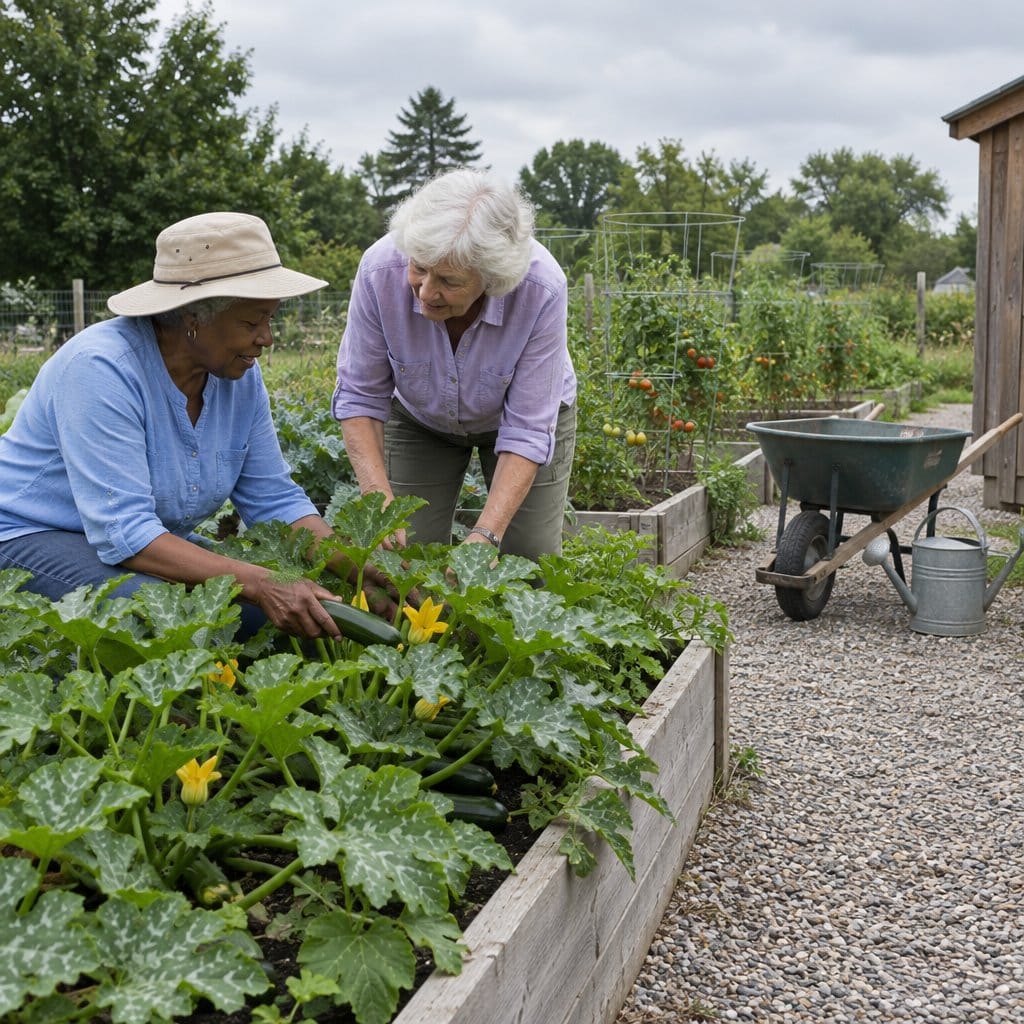
Some garden co-ops are set up for seniors. They often have raised beds that are easy to work at, scheduled group gardening days, and harvest-sharing events.
There is always something to talk about, whether it is growing tips, extra seedlings, or what to do with a mountain of zucchini.
Walking clubs with a theme
Many walking clubs now have a focus. Some tour notable buildings or historical landmarks, some go on bird watching strolls, and some visit a different café each time.
If you are shy, the theme helps. You can simply point out an interesting building or ask about a bird.
Skill-sharing workshops
In these workshops, members teach each other everything from woodworking to watercolor to cooking. Everyone has something to share, even if it is just a perfected pie crust.
Teaching builds confidence, and learning alongside others creates shared struggles and inside jokes. Regular meetings give friendships time to grow.
Volunteer crews
Groups form around causes such as building homes with Habitat for Humanity, keeping public spaces tidy, reading with schoolchildren, or guiding museum visitors. Working toward a shared goal gets conversation flowing.
How to find them
- Check bulletin boards at libraries, coffee shops, and community centers.
- Visit your local senior center, even if you do not think of yourself as a “senior center person.”
- Look in local newspapers and community newsletters.
- Ask at garden centers about senior garden programs.
- Contact volunteer coordinators at organizations that interest you.
If you cannot find what you want, start your own group. Many began with two or three people and a simple flyer. The trade-off is that a group you start yourself takes some effort up front before it runs on its own.
Using Technology to Bridge the Gap (Without the Overwhelm)
Technology doesn’t have to be intimidating. In fact, it can be your gateway to connection, and you don’t need to master everything to benefit.
Start with What’s Simple
Phone calls and email are technology too, and they’re still powerful tools for staying connected. If you’re comfortable with these, you’re already using technology to fight loneliness.
Regular phone calls with friends or family members create reliable touchpoints. Consider scheduling them (“Let’s talk every Tuesday at 2pm”) so connection becomes a built-in part of your week.
Video Calls Change Everything
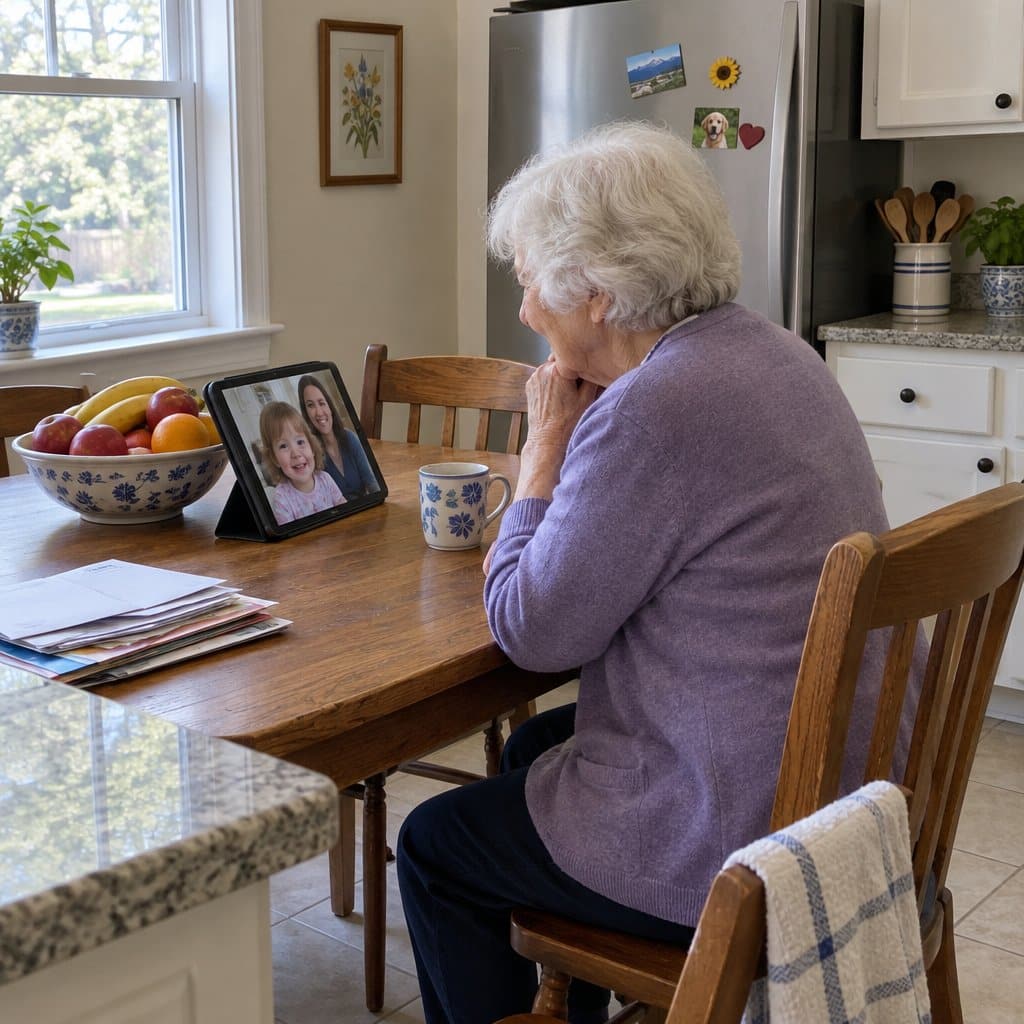
Seeing someone’s face while you talk creates a deeper sense of connection than phone calls alone. FaceTime, Zoom, or Facebook Messenger video calls let you share coffee with a friend across the country or have Sunday brunch with your grandchildren.
You don’t need to be tech-savvy to use these tools. Most are designed to be simple, and someone you trust can help you get started. After the first few calls, it becomes second nature.
For more helpful tips on making technology work for you, check out these essential tech features that make staying connected easier.
BumbleBFF: Friendship in the Modern Age
This might surprise you: There’s actually an app designed specifically for making friends. BumbleBFF works like a dating app, but it’s focused entirely on friendship.
You create a simple profile about your interests and what you’re looking for in a friend, then the app suggests compatible people in your area. If both people are interested in connecting, you can chat and arrange to meet for coffee or an activity.
It might feel unusual at first, but you may find a genuine friendship this way. The app takes the guesswork out of “where do I meet people?”
Facebook Groups for Niche Interests
Whether you’re interested in vintage postcards, bird watching, or recipes from the 1960s, there’s probably a Facebook group for it. These communities connect you with like-minded people around the world.
Many of these groups are active, with members sharing photos, asking questions, and offering support. It’s not the same as in-person friendship, but it’s a meaningful form of connection that can brighten your days.
Online Classes Build Community
Platforms like Udemy or your local community college’s online programs offer classes in everything from watercolor painting to local history. You’re learning something new while meeting people who share your curiosity.
Many classes include discussion boards or live sessions where you can interact with other students. Some participants exchange contact information and continue their friendships beyond the class.
Technology That Connects You to Family and Community
Technology does not have to mean confusing gadgets. Many devices now have larger buttons, clearer screens, and simple menus, and you do not need to learn everything at once.
For family, look at a tablet or smart display with large, clearly labeled buttons and one-touch calling. Some are built for seniors and work about as easily as answering a regular phone.
Ask a family member to do the first setup, then keep daily use simple. Many devices can store contact photos, so you just touch a picture to call that person. Families can also set up a tablet or laptop at birthdays and holidays so faraway relatives can join in.
For neighbors, Nextdoor creates a private community for your own neighborhood. You can hear about local events, get recommendations, or organize a casual coffee meetup. VolunteerMatch helps you find volunteer work near you, from reading to children to helping at a food bank.
For learning, online platforms like SeniorNet and GetSetUp teach new skills and build communities around shared interests. Some also offer virtual museum tours with chat or discussion groups. Creative communities for writing, painting, music, or crafts let you share your work and get encouragement.
If regular social media feels like too much noise, some platforms are made for people over 50. Stitch is one example. They tend to have moderators, privacy controls, and sometimes verification, and they often connect to local activities and clubs.
A gentle way to begin is one step a week:
- Week 1: Pick one tool for your biggest need. Choose video calling if you miss family faces, or a local community app if you want to meet neighbors.
- Week 2: Practice with a trusted family member or friend who can answer questions.
- Week 3: Expand a little, such as joining an online interest group or looking at volunteer openings.
Many of these tools have free versions, and senior-focused ones usually offer phone support. If you are unsure about privacy settings, ask a family member who knows tech to go through them with you. The trade-off is that a screen works best as a bridge to people, not a replacement for seeing them in person.
Creating Connection Rituals That Actually Stick
Good intentions aren’t enough. To build lasting connections, you need rituals: regular, scheduled interactions that become a natural part of your routine.
The Power of Scheduled Connection
When you commit to “let’s get together sometime,” it rarely happens. But when you schedule “coffee every other Wednesday at 10am,” suddenly you have something to look forward to and a relationship that deepens over time.
Rituals remove the burden of constantly making plans. They give you reliable touchpoints with the people who matter.
Start Smaller Than You Think
One meaningful connection per week is more sustainable and valuable than trying to overhaul your entire social life at once. Quality matters more than quantity.
Consider what feels manageable for you right now. Maybe it’s a weekly phone call with an old friend, a monthly book club, or joining one community activity. Start there and let it grow naturally.
Build In Accountability
Write your commitments on your calendar. Set phone reminders. Share your plans with someone who can encourage you to follow through.
The hardest part is showing up the first few times. After that, these connections become something you genuinely look forward to, not obligations you’re forcing yourself to maintain.
Link New Habits to Existing Ones
Attach your connection rituals to things you already do regularly. Maybe you call a friend every Tuesday after your morning walk, or you stop by the library every time you’re already out running errands.
Making connection part of your existing routine helps it stick instead of feeling like one more thing to remember.
Looking for more ways to stay engaged and connected? Join our newsletter for weekly inspiration and practical advice on making your later years your best years.
The Permission You’ve Been Waiting For
If reaching out feels scary after a long time alone, you’re experiencing something completely normal. Social connections can feel rusty when we haven’t practiced them regularly.
People Want to Hear From You
Here’s something that is easy to miss: your effort to reconnect isn’t a burden, it’s a gift. Most people are delighted to hear from someone, especially someone reaching out with sincere interest.
That friend you’ve been thinking about calling? They’re probably hoping to hear from you too. That neighbor you’ve been meaning to invite for tea? They’d likely be thrilled by the invitation.
You Don’t Need to Be Perfect
You don’t need to be the life of the party or the most interesting person in the room. You just need to show up as yourself, interested in others and willing to be present.
Connection doesn’t require perfection. It requires authenticity and a willingness to try.
Awkwardness Is Temporary
Yes, re-entering social situations after a period of isolation might feel awkward at first. You might stumble over words, feel self-conscious, or worry you’re saying the wrong thing.
That’s completely normal, and it tends to get easier quickly. Think of it like muscle memory: the more you practice connection, the more natural it feels.
You Deserve Both Independence and Connection
You’ve spent years building a life of independence, and that’s something to be proud of. But independence and connection aren’t opposites. They work together.
You can be self-sufficient and still deeply connected to others. In fact, the strongest, most resilient people are those who know how to both stand on their own and lean on their community when needed.
Your Weekend Wasn’t an Ending, It Was a Beginning
That quiet weekend when you realized you’d been lonely? It wasn’t revealing a problem. It was showing you an opportunity.
Loneliness is a signal, not a sentence. It can point to a wish for deeper connection. Researchers have linked long-term loneliness to health problems, so it is worth mentioning to your doctor if it weighs on you.
If you’re struggling with the bigger question of finding purpose after retirement, you might find inspiration in how other retirees are discovering their second act and building lives filled with both meaning and connection.
This week, choose just one action from this article. Join one group. Send one message. Make one call. You don’t have to transform your entire social life overnight.
You’ve spent years building a life of independence. Now it’s time to build a life of connection too. And you deserve both.
What small step will you take this week toward connection? The people who will become your friends are out there, and they’re hoping to meet you too.