If you want the short list, these are my top bath soap picks for seniors, and you’ll find the details on each one further down.


Choosing a soap for an older adult’s skin is harder than it sounds. The wrong one can sting, irritate, and leave dry skin even drier.
This article covers what to look for in a gentle bath soap, what to avoid, and the kinds of soap that suit sensitive skin.
The tool matters too, so see how to pick a bath sponge for sensitive aging skin that won’t scratch or irritate.
Top 3 Things to Know About Bath Soap for Older Adults
- Choose soaps that contain plant-based oils, glycerin, hyaluronic acid, and/or lanolin.
- Avoid harsh ingredients like sodium lauryl sulfates, alcohol, strong fragrances, and synthetic dyes.
- Our top pick is the Cetaphil Gentle Cleansing Bar because it is gentle with no irritating ingredients and is Dermatologist recommended!
Why Might Older Adults Need a Special Bath Soap?
Our bodies change over time, and our skin is no different. Skin can make fewer natural oils, it can get thinner, and it can lose some of its elasticity and strength.
Other than natural aging, environmental variables such as the sun, UV radiation, drug consumption, etc., hasten the aging process and cause skin damage that leaves the senior’s skin vulnerable to bruising and tearing.
This creates the need for bathroom accessories for seniors (like soap) that nourish fragile skin.
You can avoid all of this by having a proper skincare plan, and this can only work if you use the correct type of bath soap to keep the skin clean and moisturized.
This need is why you must pick a bath soap unique to your senior’s needs. Go for milder bath soap products that encourage moisture retention.
What Important Features Should Seniors Look for When Shopping for Best Bath Soaps for Seniors?
Not all the bath soaps on the market are the same. You may find that the supposed ‘cleansing’ bath soap for elders is the most damaging to the senior’s skin.
Or perhaps particular ‘traditional’ soaps have properties you shouldn’t use with aging skin. You should note that soaps vary in their clinical effects and chemical makeup on the elder’s skin.
For elders, the wrong kind of soap increases damage to already dry skin. If you know what features in the soap to look for, you’ll be in a much better position to get a custom bath soap that’s gentle on your senior’s skin and will retain moisture.
Here are the features to look for and avoid when selecting the best bath soap suited to your senior’s unique skin care needs.
If age spots are a concern too, I also made a video about a kojic acid soap for dark spots that tries to cover cleansing and spot care in one bar.
Ingredients to Look For
Look for Plant Oil
Many soap makers incorporate plant oil into their bath soaps. These plant oils are mild moisturizers and will give off a low creamy lather.
Common plant oils infused into soap recipes (around 5-15%), including avocado oil, jojoba oil, palm oil, olive oil, and coconut butter, are ideal for elders’ dry skin. We recommend you select bath products from this list of organic vegetable oils.
Look for Glycerin
This natural ingredient is a common ingredient of most bath soaps (and other care products). Bathing using harsh cleaning products or hot water sheds the natural oil produced by the skin.
Bath soap products that contain glycerin assist in locking in natural moisture and inhibiting over-drying, particularly if you’ve got dry skin.
Look for Hyaluronic Acid or Lanolin
Bath soaps containing these two ingredients are excellent choices because of their hydrating result. Hyaluronic acid is a hydrating molecule that permeates the skin and keeps it hydrated.
Lanolin – a natural oil produced from sheep’s sebaceous glands – has conditioning and moisturizing properties for the skin and hair. So for elders with dry skin, definitely look for bath soaps containing these ingredients.
Ingredients to Avoid
Sodium Lauryl Sulfate (SLS)
Avoid soaps containing sodium lauryl sulfate (SLS). SLS is a potent surfactant – a chemical found in various cleansing detergents – that assists in degreasing and washing away dirt, thereby drying out the skin.
SLS is a common ingredient of many facial cleansers, bath soaps, body washes, and shampoos. It’s also responsible for soap froth. It’s a powerful cleanser; some individuals can apply it without experiencing adverse effects.
Elderly folk with dry skin may experience over-drying when they use bath soaps containing SLS.
Fragrances and Alcohol
Steer clear of soaps with sulfates. The fragrance adds scent to the skin product, while alcohol and ethyl make the skin dry and irritated.
Synthetic Dyes
Besides searching for ingredients that help hydrate the skin, you should be cautious to avoid soaps with synthetic colors. Manufacturers tend to compromise their bath soaps’ chemical composition and quality by using synthetic dyes to appeal to customers.
Synthetic dyes are chemically made and generally have a terrible effect on the skin; the results may worsen dry skin complications instead of alleviating them.
It’s not surprising to see body washes and soaps infused with fragrances. It may appeal to the senses, but it may harm seniors.
Bath soaps that are excessively fragrant or perfumed are filled with synthetic chemicals and scents to emanate a strong smell to pull in consumers. Safe, gentle bath soaps don’t have powerful smells and are still effective in soothing dry skin.
Best Bath Soaps for Seniors and the Elderly with Dry Skin
If the current bath soap your senior uses leaves their skin feeling itchy and overly dry, here are some top-rated soap brands that may be suitable for the elder’s dry skin.
Cetaphil Gentle Cleansing Bar Soap
This bar soap removes all the residue that may have accrued on the skin and is non-irritating and mild. Its gentle cleansing power allows it to be effective against rash-prone skin or eczema. It’s hypoallergenic and fragrance-free and can be used on the body and face daily.
Dermatologists highly recommend this bath soap for seniors.
Dove Sensitive Skin Beauty Bar
This beauty bar soap washes away all the residue on the skin, plus it’s non-irritating and gentle on the skin. It has a mild fragrance and also doesn’t make the skin over-dry.
Despite its light scent, its hypoallergenic nature makes it ideal for the face and the body. You can also use it for bath therapy.
Dove Original Beauty Bar Soap
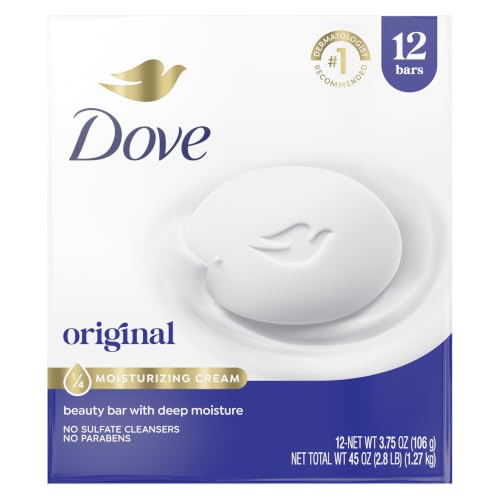
Dove Beauty Bar Original is a bar soap made with ¼ moisturizing cream. It comes in an 8 count pack of 3.75 oz bars, so one purchase keeps the bathroom stocked for a good while.
The idea is a cleanser that does not leave skin feeling dry or tight, which is the usual complaint with ordinary bar soap. It lathers well and can be used on the face, body and hands.
The formula is pH-balanced and free from sulfate cleansers, parabens and phthalates. Dove also calls itself the No. 1 dermatologist recommended bar brand.
One trade-off: this is a bar, not a liquid. If gripping a slippery bar is hard on your hands, or you have a condition like eczema that needs a specially tested wash, a pump bottle of body wash may suit you better.
Yardley London Nourishing Bath Soap Bar
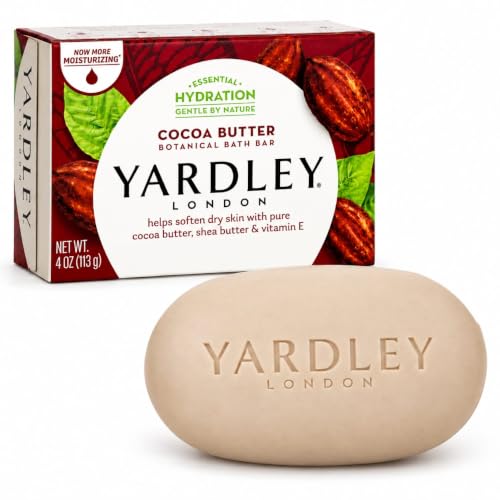
Yardley London Nourishing Bath Soap Bar in Cocoa Butter is made with pure cocoa butter, shea butter, and vitamin E. It is a 4.0 oz bar, sold as a single bar.
It makes a rich, creamy lather. The idea is that it cleans and moisturizes at the same time, so your skin doesn’t feel dry or tight afterward. That matters if you tend to get itchy or flaky skin after bathing.
It is meant for daily use. Store it in a cool, dry spot, and let it drain between showers so it lasts.
One thing to know: it is a scented, richly moisturizing bar, so it may not suit you if you need a completely fragrance-free soap for very sensitive skin. A bar also gets slippery as it wears down, so a soap dish or a soap-on-a-rope helps in the shower.
Cetaphil Gentle Cleanser Face Wash

Cetaphil Gentle Cleanser is a soap-free, non-foaming face wash made for dry to normal and sensitive skin. It cleanses and adds moisture at the same time, so skin is less likely to feel tight afterward.
After cleansing, some people like to follow with a anti-aging face and neck cream with retinol at night to put moisture back into the skin.
It has glycerin, plus vitamins B5 (panthenol) and B3 (niacinamide), which help support the skin’s moisture barrier. The formula is free of fragrances, parabens and sulfates, and it is hypoallergenic and non-comedogenic (meaning it is made not to clog pores).
It can be wiped off instead of rinsed, which is handy if getting to the sink is a chore. The maker says wiping off leaves 48 hours of hydration compared with rinsing.
The trade-off: it does not foam, and some people expect a lather before they feel clean. It is also a face wash, so you will want a separate body wash for the rest of the bath.
Alternatives to Bathing
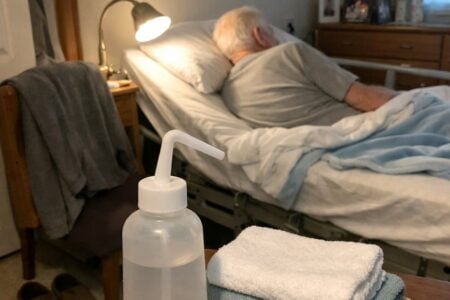
Although elderly cleanliness is very integral, maintaining this doesn’t have to entail a shower or full bath. A sponge bath that cleans the main places with water and soap will also suffice.
You can expect days when your senior patient doesn’t want to take a bath. In such instances, you can have them simply wipe their faces, private parts, underarms, and feet using a wet towel. (See my list of the best bath towels for seniors and the elderly here.)
But elderly women need to be more thorough than male seniors when cleansing their private areas. For sponge baths, it’s advisable to wipe from the front to the back to prevent the possibility of contracting any urinary tract infections.
Tips for Using Bath Soap for the Elderly Safely
Pre-planning can help to establish a proper and safe bathing routine. Here are pointers you can use to ensure things proceed smoothly:
- Have a schedule
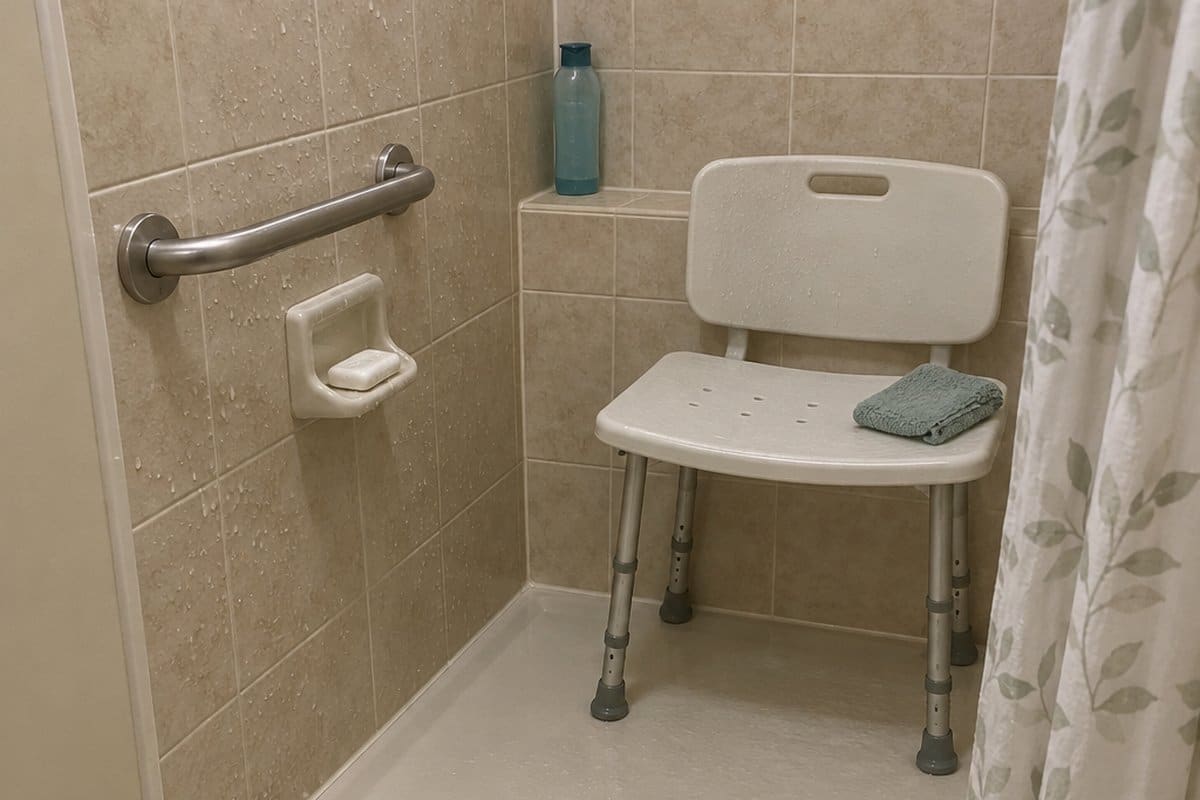
- Conduct a safety assessment of the area (lighting, non-slip rugs, handrails, bath benches, etc.,)
- Buy assistive equipment (hair trays and basins for sponge baths)
- Use mild bath soaps with moisturizers
- Ensure the elder isn’t resistant to bathing
Seniors who can’t bathe themselves may require aid from a caregiver, which is the best way to guarantee safety.
When bathing a senior person, remember that they may get cold. To increase the room temperature and turn on the humidifier so that s/he feels comfy and warm.
Begin by washing the upper part of the body. Start from the shoulders and gently apply body wash to cleanse the senior person. Proceed down each side using the bath soap and warm water.
Rinse off the body using lukewarm water with another washcloth and ensure that all the soap is removed from the senior’s body to avoid irritation.
Summary and Final Recommendations
There’s a wide selection of bath soap brands on the market specially made to cleanse and protect seniors’ skin.
Top-tier soap products can assist in making your skin appear rounded and plump, while inferior products can be ineffective and damaging to skin already suffering the effects of aging.
The products you use will determine how successful your skincare routine will be.
To get the ideal body wash for your senior, ensure they are comfortable with the ingredients and any potential scent and residue of the soap. Consider going for antimicrobial bath soaps.
When you consider these factors, it will assist in considerably boosting the senior’s quality of life.
Sources: