
![Older woman wheelchair riverside walkway[3]](https://www.grayingwithgrace.com/wp-content/uploads/2026/06/older_woman_wheelchair_riverside_walkway3-e1780477605210.jpg)
You’ve done everything right. You researched the hotel, confirmed the “ADA accessible” room, and read the city’s tourism page about their commitment to accessibility. Then you arrive.
The sidewalk ends without warning. The elevator at the transit stop is out of service. The restaurant with the “accessible entrance” requires navigating a narrow side alley.
This gap between accessible marketing and accessible reality is one of the most frustrating experiences a wheelchair user can face. You deserve honest information—not promotional language written by a tourism board.
The cities featured here were evaluated against five real-world criteria, not just legal compliance. And you’ll find specific tools that let you verify accessibility before you ever pack a bag.
Wheelchair Travel Pre-Trip Checklist: Plan Every Detail
Download this complete pre-trip checklist and eliminate the guesswork from wheelchair travel planning—research your destination, ask hotels the right questions, and prepare for the airport with a step-by-step system that catches accessibility issues before you pack a bag.
What Actually Makes a City Accessible? The 5 Criteria That Matter
ADA compliance is a legal floor, not a measure of genuine livability for wheelchair users. A city can meet every technical requirement and still be exhausting to navigate.
Here’s what actually matters:
1. Sidewalk Continuity
Curb cuts mean nothing if they disappear two blocks later. The question isn’t whether accessible routes exist—it’s whether they connect. Dead-ends and gaps force detours that add distance, time, and real physical strain.
2. Transit Reliability
Working lifts and level boarding on paper is not the same as working lifts and level boarding on Tuesday at 3 PM. Elevators that are perpetually under repair are not accessibility infrastructure—they’re a liability.
3. Terrain and Grade
Hilly cities are the hidden disqualifier. Even when infrastructure is technically compliant, steep grades create fatigue and risk that flat terrain simply doesn’t. This matters enormously for manual wheelchair users and older adults managing energy across a full day.
4. Accessible Venue Density
How many restaurants, museums, shops, and attractions can a wheelchair user actually enter and enjoy within a reasonable distance? One accessible destination surrounded by inaccessible ones is not a win.
5. Medical and Support Proximity
For older travelers especially, knowing that accessible urgent care, pharmacies, and support services are nearby provides the confidence to travel further and more freely. Staying engaged with the world is genuinely good for your health—and having a safety net in place makes it possible.
Accessibility isn’t binary. Every city lives on a spectrum. Knowing what to measure puts you in control of the evaluation.
Tools to use: Download the AccessNow app and bookmark Wheelmap before your next trip. Both provide crowdsourced, real-world accessibility ratings for restaurants, transit stops, hotels, and attractions. They will tell you more about a city’s actual navigability than any tourism website.
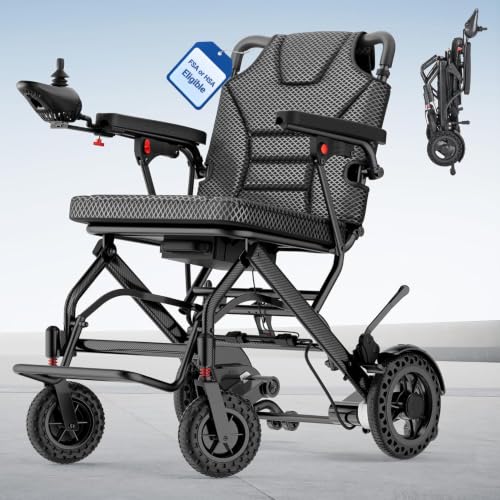
A lightweight, foldable travel wheelchair or compact power wheelchair designed for travel also changes the equation significantly—particularly when paired with pre-trip research that confirms where you can go and how. One compact option I demoed for active travelers is the VOCIC power wheelchair.

![[New Upgrade] Electric Wheelchair for Adults, Foldable Electric Wheelchairs |](https://m.media-amazon.com/images/I/51CsUVk0b8L._SL500_.jpg)



The Cities That Actually Deliver: Top Picks for Wheelchair-Accessible Travel
These cities were selected because their accessibility features are structural—built into the terrain and infrastructure itself—not just layered on top of it.
San Antonio, TX
The River Walk is one of the most genuinely wheelchair-friendly experiences in the country. The entire route operates at ground level with continuous paved paths, accessible water taxis, and step-free entry to the vast majority of dining and attractions along the route. The terrain does the accessibility work for you.
San Diego, CA
Flat coastal districts including the Gaslamp Quarter and Balboa Park offer consistent sidewalks and predictable curb cuts. The temperate climate makes outdoor navigation comfortable year-round, which matters when you’re spending a full day exploring. The city’s beach boardwalks also offer paved, flat surfaces that are genuinely enjoyable to navigate.
Portland, OR
The MAX light rail system provides level boarding at most stations, and Portland’s strong accessibility culture means many hotels, restaurants, and venues exceed minimum requirements rather than just meeting them. The city has made meaningful investments in accessible public spaces that show up in daily experience, not just on compliance checklists.
Washington, D.C.
The Metro is among the most wheelchair-accessible transit systems in the country, with elevators at most stations and clear accessibility signage throughout. The National Mall is flat, wide, and fully navigable, with accessible entrances to virtually every Smithsonian museum. The accessible national parks system extends this experience further for day trips from the city.
Chicago, IL (with advance research)
The lakefront path is flat, wide, and beautiful. The L train system has been significantly upgraded for accessibility, though some older stations require planning around. The key with Chicago is front-loading research—the city rewards prepared travelers with genuine richness of experience.
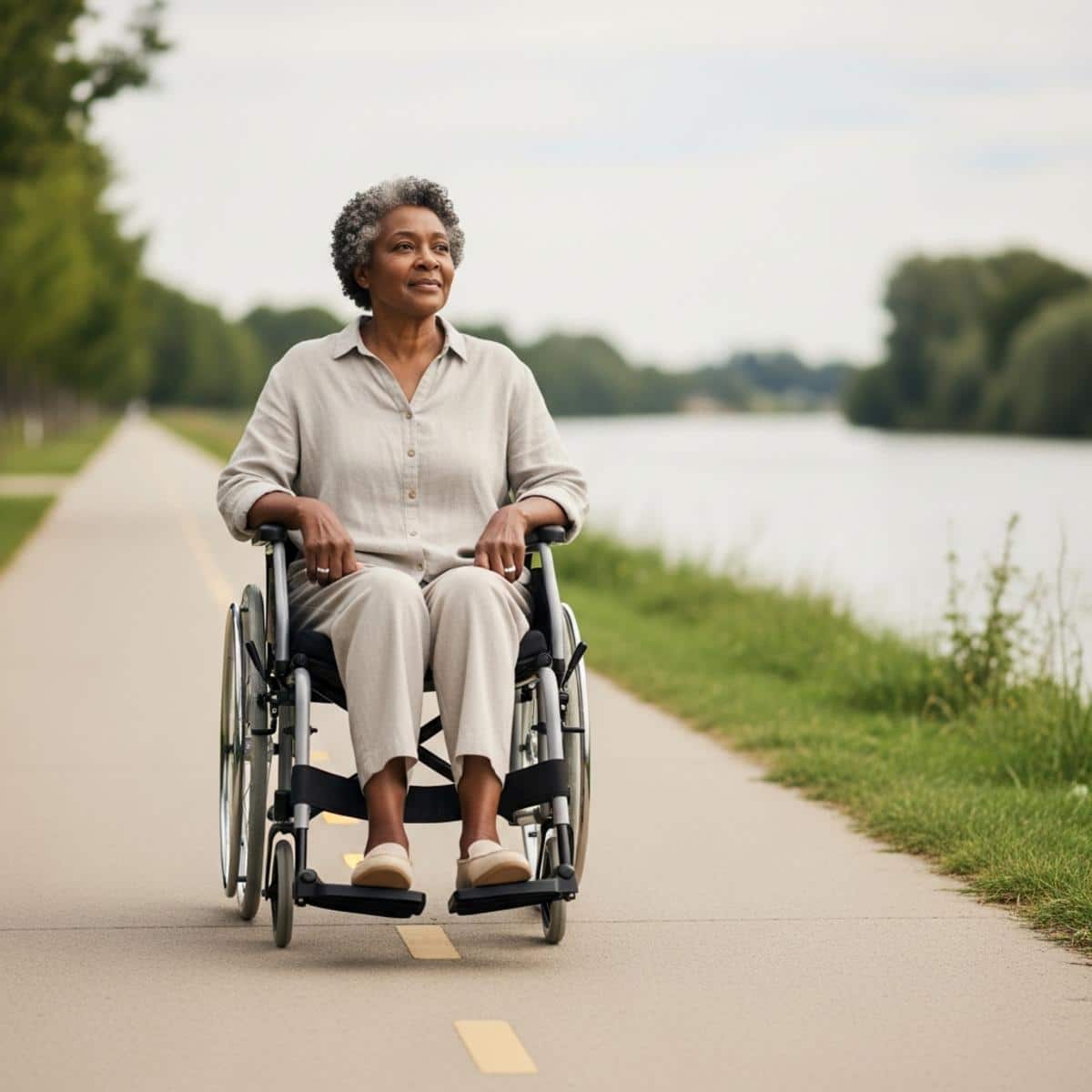
The best accessible cities aren’t just compliant. They’re designed in ways that make a wheelchair feel natural in the environment, not like an accommodation.
Use Wheelmap to check specific venues in any of these cities before finalizing plans. Travel-friendly wheelchair accessories—anti-tip beverage holders, cushioned seat pads, weather-resistant frame pouches—make extended city navigation significantly more comfortable across a full day of exploration.




Cities That Look Accessible but Underperform: What to Watch Out For
Some cities have strong accessibility reputations that hold up in tourist zones and collapse everywhere else.
The Tourist-Zone Problem
Hotel lobbies, major museums, and landmark attractions are often genuinely accessible. The transit between neighborhoods, local restaurants, and off-the-main-drag experiences frequently are not. If your trip will extend beyond the three-block radius of a convention center, dig deeper before booking.
Historic Districts Are Rarely Wheelchair-Friendly
Beacon Hill in Boston. The French Quarter in New Orleans. Much of San Francisco outside of the flat Mission and Embarcadero areas. Beautiful. Historically significant. Cobblestones, steep grades, and uneven pavement that make navigation genuinely difficult regardless of what the city’s accessibility page says.
“ADA Accessible” Means Less Than You Think
A hotel room can be technically ADA compliant with a wide doorway and still have a bathroom configuration that doesn’t work for a wheelchair user in practice. Knowing the right questions to ask before you travel is what separates a smooth trip from a frustrating one.
Ask hotels these specific questions—not just “Is the room accessible?”
- What is the turning radius in the bathroom?
- Is the shower roll-in, or does it have a lip?
- Is there a roll-under sink?
- What is the distance from accessible parking to the elevator?
- Is the elevator large enough to accommodate a power wheelchair?
- Are there steps between the lobby and the accessible room?
Portable door handle grab bars and a travel shower chair are the tools experienced wheelchair travelers carry to fill gaps in hotel accessibility. They weigh almost nothing and solve problems that even well-intentioned hotels create.


Ready to discover more strategies for accessible, confident travel? Subscribe to our newsletter for expert-tested tips and product recommendations designed specifically for older adults and wheelchair users.

Navigating Airports: What to Request and When
Air travel is often the most stressful accessibility challenge of any trip. The right preparation removes most of that stress—but it requires action before you arrive at the airport.
Request Assistance at Booking, Not at the Gate
Call your airline’s accessibility desk directly—not just check a box online—at least 48 hours before departure to confirm your requests are logged. Assumptions about coordination between booking and operations have disappointed too many travelers.
Know the difference between:
- Gate wheelchair: A standard airport wheelchair for moving through the terminal
- Aisle chair: A narrow chair specifically for moving through the aircraft cabin to your seat
- Wheelchair escort: Staff assistance from check-in through boarding
Each must be requested separately, and each is handled by different staff. Assume nothing is automatic.
Use TSA Cares
Call the TSA Cares helpline at 1-855-787-2227 at least 72 hours before your flight to arrange a Passenger Support Specialist who will meet you at the checkpoint. This removes the uncertainty of explaining your mobility equipment and needs to a new agent every time.
Checking a Power Wheelchair
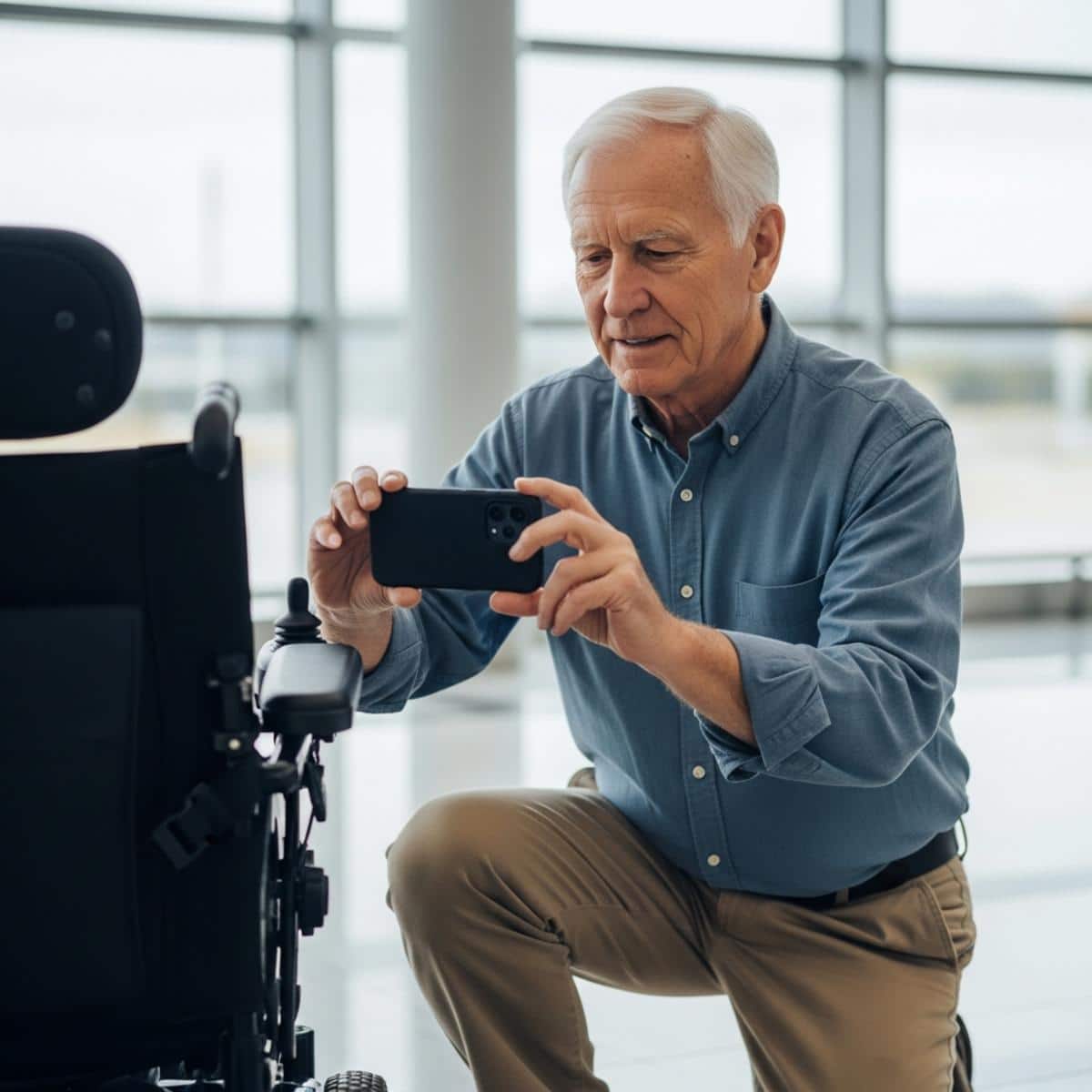
Document your chair’s condition with photos and video before handing it over. Know your carrier’s battery requirements—most require lithium-ion batteries to remain in the cabin. Confirm the carrier’s policy on power wheelchair handling in writing before travel day.
Your Pre-Trip Accessibility Toolkit: Apps, Questions, and Planning Habits That Change Everything
The most confident accessible travelers don’t leave accessibility to chance. They use consistent tools to verify before they go.
The Apps That Actually Help
AccessNow: Crowdsourced accessibility ratings for restaurants, hotels, transit stops, and attractions across North America. Use it to build a short list of pre-vetted dining options near your hotel before you arrive. Arriving hungry in an unfamiliar city without a plan is a problem this app eliminates entirely.
Wheelmap: Open-source, globally useful tool for finding wheelchair-accessible venues. Particularly strong for dining and retail. Covers more international destinations than AccessNow, making it useful for future travel beyond the U.S.
Google Maps Accessibility Filter: Enable the wheelchair-accessible route option in navigation settings for turn-by-turn directions that avoid stairs and steep grades. It’s not perfect, but it’s a meaningful improvement over standard routing for wheelchair users.
Build in Buffer Time
Accessible travel frequently takes longer than standard trip planning accounts for. Elevator waits, longer routes, rest needs—none of these are obstacles. They’re simply the actual timeline. Building extra time into your itinerary removes stress without limiting what you do. Planning with the right tools transforms uncertainty into confidence—which is the goal.
Before Every Trip
- Download AccessNow and Wheelmap
- Spend 20 minutes mapping two to three accessible dining options near your hotel
- Call the hotel directly with your specific accessibility questions
- Contact your airline’s accessibility desk
- Call TSA Cares at least 72 hours before departure
- Photograph your mobility equipment before handing it to any carrier
Compact travel bags or backpacks designed to attach to wheelchair frames keep your phone, apps, travel documents, and essential items accessible throughout the day without requiring help from others. That independence is the whole point.
Wheelchair Travel Pre-Trip Checklist: Plan Every Detail
Download this complete pre-trip checklist and eliminate the guesswork from wheelchair travel planning—research your destination, ask hotels the right questions, and prepare for the airport with a step-by-step system that catches accessibility issues before you pack a bag.
You’ve Earned Every Trip on Your Bucket List
Accessible travel in the U.S. is genuinely possible—and the cities and tools in this article exist because wheelchair users and older adults with mobility challenges are active, adventurous travelers who deserve accurate information.
Planning accessible travel takes more effort than standard trip planning. That effort reflects dedication to living fully. It’s strategic, not reluctant.
Pick one city from this list. Spend 15 minutes on AccessNow or Wheelmap exploring what’s accessible there. Staying connected to the world—through travel, community, and new experiences—is one of the most powerful things you can do for your long-term wellbeing.
If you’ve navigated an accessible city that surprised you—positively or otherwise—share your experience in the comments. Your firsthand knowledge helps every wheelchair user in this community plan smarter, travel better, and go further.
The trip is worth planning for. Go plan it.





![Senior couple slow dance living room[1]](https://www.grayingwithgrace.com/wp-content/uploads/2025/12/senior_couple_slow_dance_living_room1-e1767117766207-450x300.jpg)


