You clip on a step counter, glance down later, and can’t read the tiny numbers. Or the thing has so many buttons you give up.
This guide to the best pedometers for seniors is meant to fix that. It covers easy-to-read step counters, what features to look for, pedometer watches, heart rate monitor watches, and fitness trackers you will actually wear.
I will also name the downsides, so you don’t waste your money.

- Avoid high-tech trackers with too many bells and whistles.
- Look for an easy-to-use device with a large display that’s easy to read.
- The pedometer should be lightweight and slim to carry in your pocket or clip onto your clothing.
- Make sure it has big numbers displaying your step count and distance walked.
- You want to see your daily progress easily.
This guide shows you exactly what features to look for in a senior-friendly pedometer. You’ll get recommendations for accurate, affordable options that are simple to operate and comfortable for everyday use.
Find the right step counter to help you stay motivated to walk more daily.
3D Pedometer

Lightweight and small enough to be hidden.
Huge display shows the number of steps you have walked. You can reset the count at any time.
Wear it around your neck or clip it on your belt’s loop.
Long warranty and long battery life.
What Features Should You Look for in a Senior-Friendly Pedometer?
Before buying any item online, you need to compare the features, functions, and prices. If you are not aware of what to look for in a pedometer, here’s a quick overview of the features that you should keep in mind:
Ease of Use
Remember, not every senior wants the latest tech. It’s better to buy a simple one that records the number of steps and measures the distance. High-tech pedometers may not be necessary for senior citizens.
If you only want to read and measure the distance covered and the number of steps, you don’t need a device that monitors your sleeping patterns, counts the calories lost if you walk up and down a flight of steps, measures your heartbeat per minute, or transfers data to your smartphone via Bluetooth.
If you do want those features, check out my guide to the best fitness trackers for seniors and the elderly.
You should buy an accurate pedometer with large buttons that you can operate easily. Operating easily means it should provide clear instructions on how to use the device.
Some basic features that the pedometer should have are daily step count, weekly step count, reset option, distance covered, and option to set a target.
Large Display
The pedometer is not used if you can’t see the reading in broad daylight. You don’t need a fancy LED screen that lights up whenever you touch it.
Instead, the display should be big enough to allow the user to see all the information on the screen.
Everything should be visible in big digits, from today’s date to the number of steps walked. Small numbers can be hard to read.
This makes a big display important, so you can see everything without squinting.
Mounting
Some seniors don’t like wearing watches or bracelets. In such cases, you wouldn’t want to buy a pedometer that you need to wear on your wrists. Therefore, look for a simpler device to clip on your belt or carry in your pocket.
Most modern pedometers come with advanced 3D sensors. As a result, they are quite accurate, no matter where you keep them.
Size
Many of the latest pedometers are small and slick, making them look stylish. But you may not need a stylish model because the display isn’t always big in these pedometers.
Instead, go for something that fits easily in your pocket and doesn’t weigh too much.
Hearkent Waterproof Pedometer Watch
Have You Considered a Pedometer Watch?

A combination device may suit you. This one is a simple and accurate step tracker and an easy-to-read watch, which could be just the tool you’re looking for.
- Hearkent Pedometer Watch is not only a pedometer but also a watch with a clear and bold text display.
- The pedometer feature accurately tracks daily activity, and includes a ’10-second rule’ to prevent false step readings.
- The watch is comfortable to wear all day due to its breathable band design.
- Its user-friendly design and accurate step tracking make it an excellent choice for everyday use.
If you’re looking for a simple, reliable way to monitor your daily steps and also want an easy-to-read watch, you should definitely consider the Hearkent Pedometer Watch.
Reminders to Get Up and Move
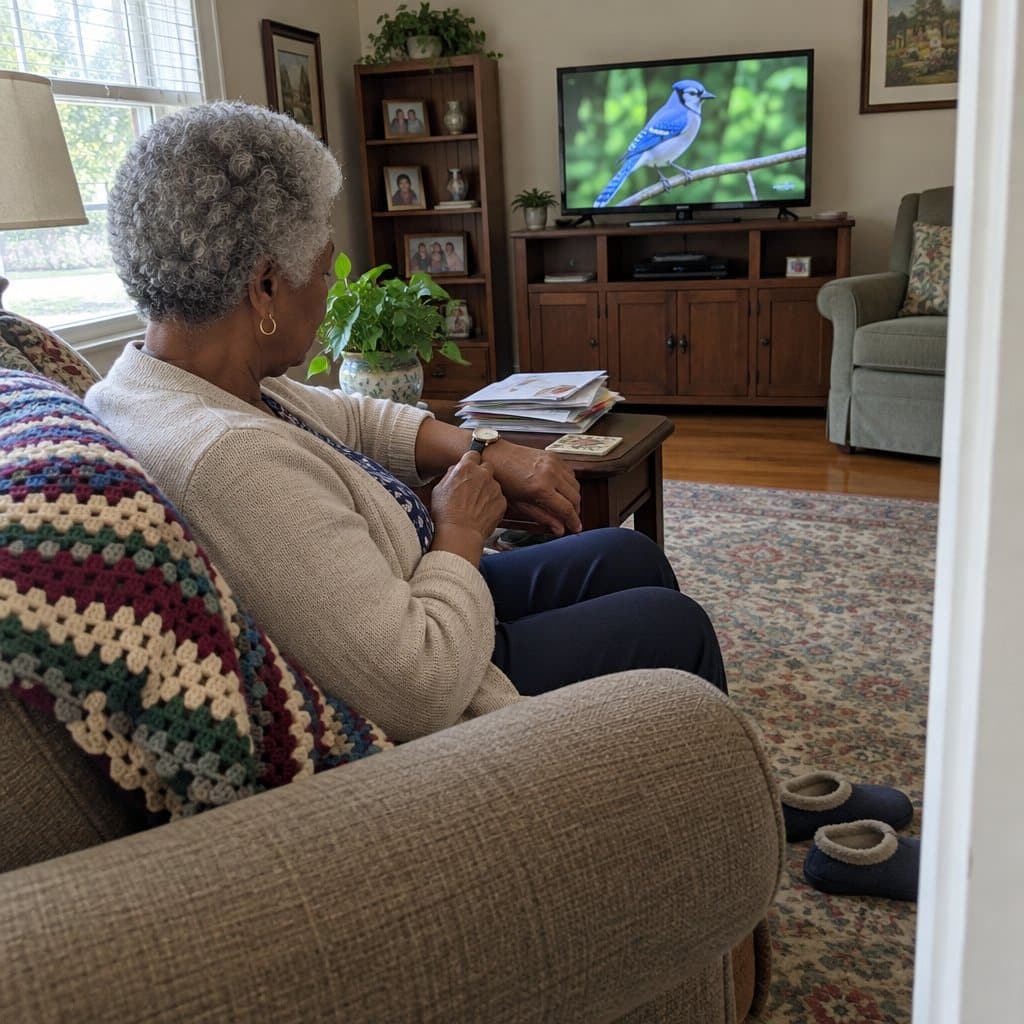
Some trackers will nudge you when you have been sitting too long. These are called activity reminders or sedentary alerts, and they are worth looking for.
The nudge can be as small as a walk around the living room. Even light movement can be tracked, so a short stroll still counts toward your daily goal.
Say you settle into your chair after lunch with a good book. An hour later your wrist buzzes, you get up and stretch your legs, and the tracker records it.
The numbers a tracker keeps can also show you how active you are across the whole week. That helps you notice whether you are meeting your goals, whatever kind of exercise you like. Walking, jogging, and riding an indoor exercise bike are all things a tracker with multi-sport support can follow.
The trade-off is that a reminder only helps if you wear the device and act on it. A tracker that sits in a drawer will not nudge anyone.
How to Use a Heart Rate Monitor Watch Once You Have One
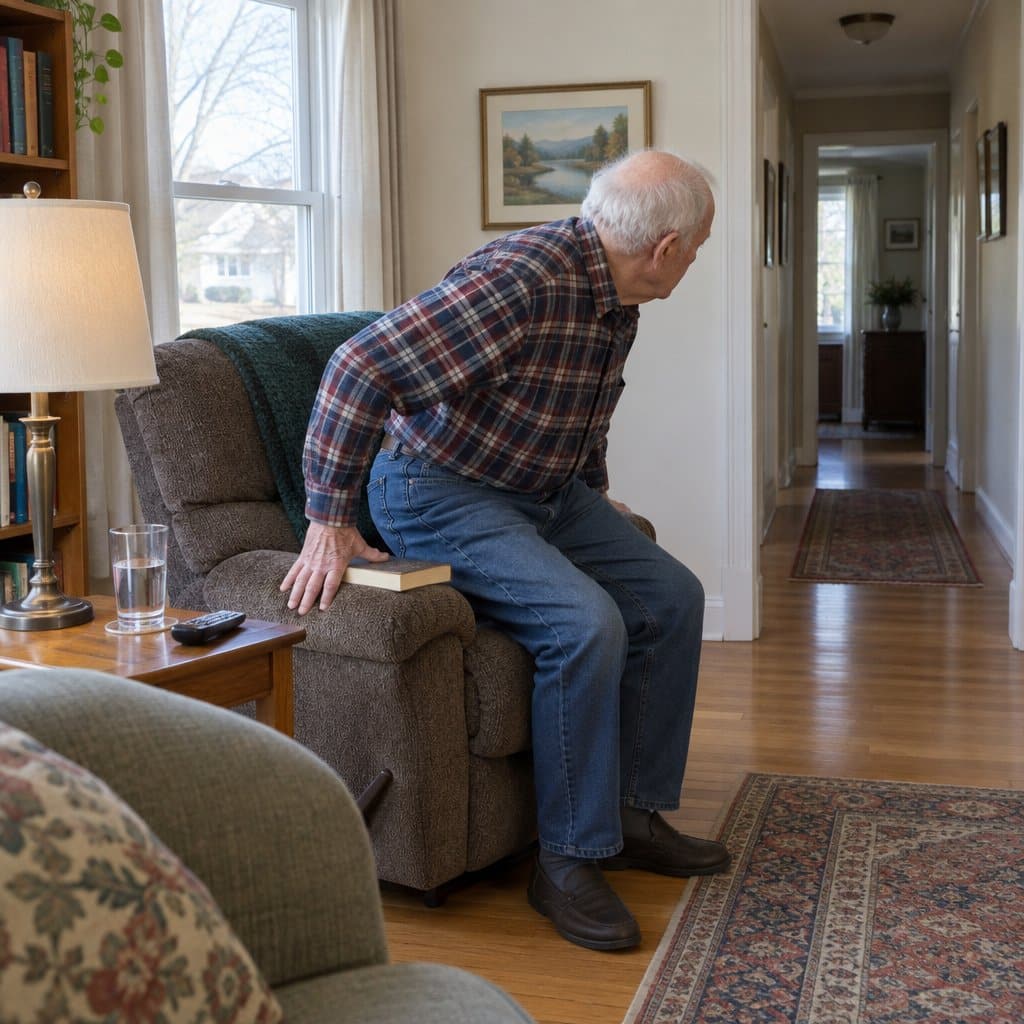
Start by finding your resting heart rate. Wear the watch for a few minutes while you sit and relax, and let it take the reading.
Next, sit down with your doctor and set your target heart rate zones. Your doctor knows your health, so let that conversation decide the numbers, not a guess.
Then wear the watch when you exercise. It lets you see whether you are staying inside your target zone, so you can ease off if you are pushing too hard.
Say you go for a walk after breakfast. A glance at your wrist tells you where your heart rate sits, and you can slow down or keep your pace.
The watch also gives you a summary of your workout afterward. That helps you see how your routine is going over time.
One trade-off to know about: some of these watches have no built-in GPS. They connect to your phone for GPS tracking during workouts, so you need to carry the phone along.
Heart Rate Monitor Watches: Accurate Readings and Safety Features
A heart rate monitor watch is a wrist device that checks your pulse through the day. The ones made for older adults tend to have larger displays, simpler menus, and more accurate sensors than a regular fitness tracker. That matters most if you have a heart-related condition.
For accuracy, look for an optical heart rate sensor or ECG-based heart rate measurement. Either way, you want readings that stay consistent, because a number you cannot trust is no help.
Some watches flag an irregular heartbeat, but they are not a medical device for everyone. If you feel unwell or get an alert, call your doctor, or 911 in an emergency. Do not rely on a watch alone. They show your resting heart rate too, and they can help you stay in your target heart rate zone while you exercise.
Some add safety features for older adults living alone or with limited mobility. Look for wrist worn fall detection, an emergency SOS button, and automatic activity tracking. Some even offer medication reminders.
Beyond the heart sensor, check these things:
- A large, clear display, ideally with adjustable font size and backlight.
- Simple menus and an easy setup.
- Adjustable straps and a lightweight build.
- Water resistance and sturdy construction.
- Battery life measured in days, not hours.
Many of these watches also track sleep, so if that interests you, have a look at my guide to the best sleep trackers and monitors for the elderly. If you have a medical condition that needs more detailed tracking, pick a watch that offers it.
The trade-off is that many of these watches need a compatible smartphone for full features, and setup can take some help if you are not tech-savvy. Band irritation on sensitive skin is another thing some wearers report.
Withings ScanWatch 2
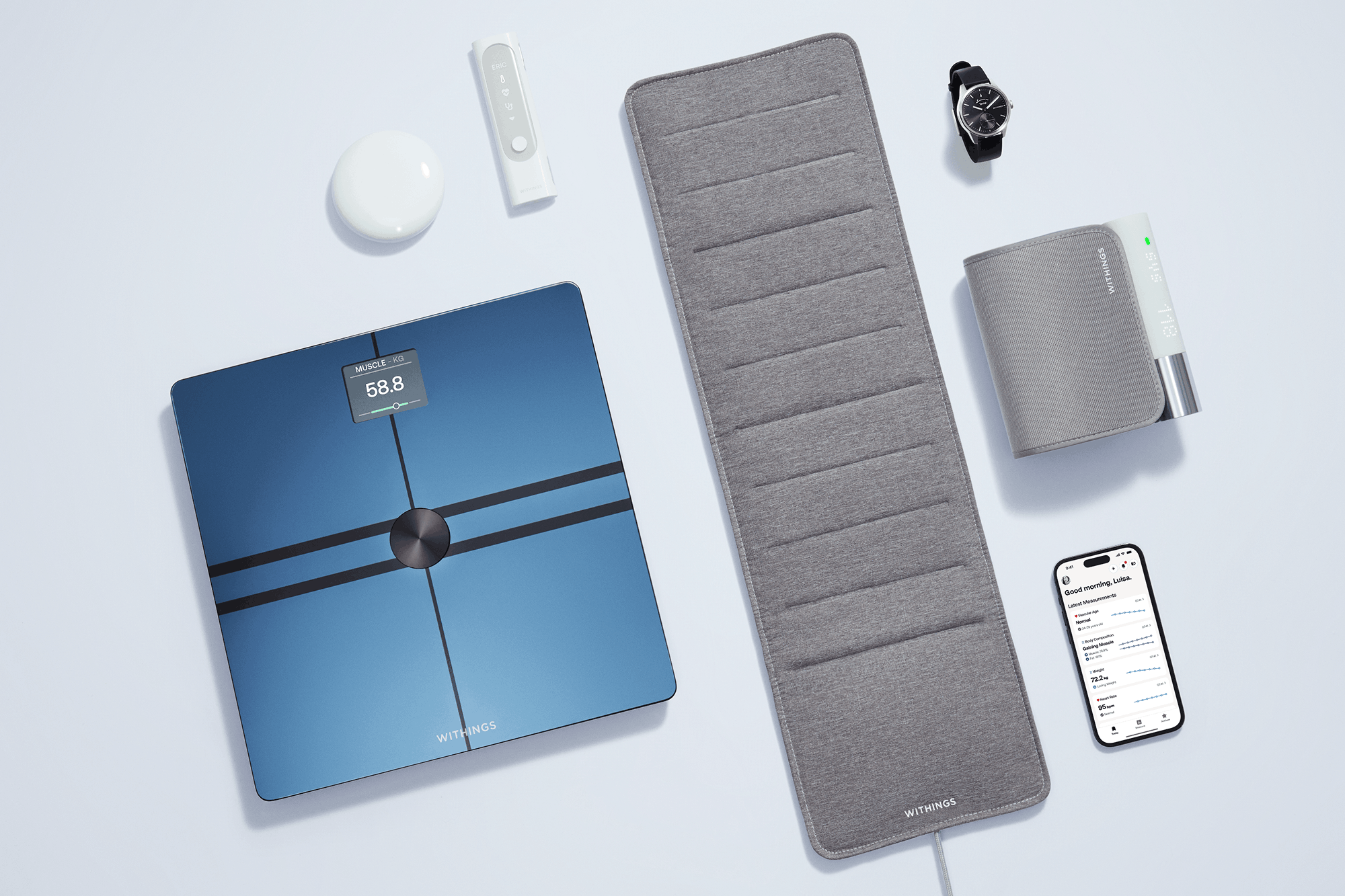
The Withings ScanWatch 2 looks like an ordinary analog watch, with hands and a dial, but it also tracks your health. It comes in a 38mm size, in white or blue with rose gold.
What stands out is the heart check. Rest a finger on the metal bezel (the ring around the watch face) and in 30 seconds it records a single-lead ECG, which is a reading of your heartbeat, and looks for atrial fibrillation. It also tracks heart rate variability overnight. That is the timing between each beat.
Battery life is up to 35 days on a charge, so you are not charging it every night. Having an ECG reviewed by a cardiologist within 24 hours is available with a Withings+ trial.
The trade-off is that this is a health watch first. If all you want is a simple step counter, it does more than you need. Its heart features are best for someone who wants to keep an eye on their heart rhythm.

If You Walk With a Shuffling Gait
If you shuffle when you walk and your feet barely leave the ground, a step counter may not count you fairly. Most of these devices have a small motion sensor inside. To register a step, it has to feel a certain amount of up-and-down movement from your foot.
A shuffle may not move enough to count. So you can walk a good distance and see a step count lower than what you really did.
The fix is to look for a step counter with GPS. GPS lets the device measure the distance you covered, even if the step count comes out a little off.
That gives you two ways to see how active you are: steps and distance. If the steps look low, the distance can tell you more of the story.
Shoes matter here too. I have a guide to the best shoes for a shuffling gait.
The trade-off is that GPS usually means a wrist tracker or watch rather than a simple clip-on pedometer. As I said above, the more a device does, the more there is to learn.
Pedometer, Fitness Tracker or Smartwatch: Which Fits You?
Three kinds of devices show up when you shop for something to count steps, and they overlap a good deal. Here is how I sort them.
A basic pedometer counts your steps and does little else. If steps are all you care about, that is the one to look at.
A separate fitness tracker is worn on the wrist and follows your activity levels. If all you want is a device that tracks fitness, a simpler tracker is usually the better pick. Some of them also offer extras like sleep tracking.
A smartwatch with fitness functions does the same job and adds the convenience of a smartwatch. Calls, texts and emails come straight to your wrist. If you want that connection, a smartwatch is the best option.
If what you really want is to know where someone is, that is a different kind of device. GPS trackers are built for that.
The trade-off is that fitness trackers are advanced devices, and many older adults are not used to that kind of technology. The more a device does, the more there is to learn, so pick the simplest one that covers what you actually want.
Fitness Trackers and Watches for Older Adults Who Want More Than Steps
If a plain pedometer is not enough, a wrist tracker is the next step up. The right one depends on how much technology you want on your wrist.
For a feature-rich pick, a Fitbit-style Surge watch has built-in GPS, automatic sleep tracking, a continuous heart rate monitor, and call and text notifications. It also has a clear, easy-to-read touchscreen. It needs a bit more care and cleaning than the others.
A Garmin Forerunner 35 has a large, easy-to-read screen and counts steps well. It has a panic button that sends your location to a person you choose if you are hurt, and the battery lasts up to seven days. It does not show text and call notifications.
If you find a watch too bulky, a slim band like the Fitbit Charge 4 has an easy-to-read, high-contrast screen and a battery that lasts a little over seven days. It has fewer features than the watches.
An Apple Watch Series 7 has a large touchscreen that responds easily, which helps if your fingers are weak or arthritic. It has fall detection with emergency calling and reminders to get up and move. Its battery life is on the shorter side, and it costs a good deal more than the others.
The WYZE smartwatch has a big 1.75-inch screen and a battery that lasts about 60 days on standby. It is chunky, so if you are not used to wearing a watch, give yourself time to get used to it.
Whichever you pick, a big screen and a long battery life matter most, because a tracker only helps if you keep wearing it.
My Recommended Simple Pedometers and Step Counters
Based on the features above, here are the models I recommend for anyone who wants a more basic step-counting device.
3D Pedometer
This is a plain step counter that does one job: it counts your steps. There is no app, no Bluetooth, and nothing to charge.
The display is a large LCD, so you can read the numbers at a glance. It uses a 3D tri-axis sensor to count steps, and it weighs only 26.5 grams, so it is easy to drop in a pocket or bag.
A removable clip and a lanyard come with it. You can clip it to a belt or belt loop, your pants or your shoe, or hang it around your neck.
There is only one button. To start over, press and hold RESET for 3 to 5 seconds until the count goes back to zero.
It comes with a CR2032 battery that can last up to one year. The pedometer goes to sleep on its own when you are not moving.
The trade-off is that it counts steps and nothing else. If you want heart rate, sleep tracking or a phone connection, this is not the one for you.
Vive Health Fitness Tracker

This one does a lot more than count steps. It is a fitness tracker from Vive Health that you wear like a bracelet.
Along with steps, it tracks sleep patterns, heart rate, body temperature and caloric intake. It also has sixteen sports modes, including walking, jogging and cycling, so you can pick the activity you are doing.
If you want one device that gives you a fuller picture of your health and activity, this fits. Wearing it on your wrist also means there is no clip to attach to a belt or belt loop and nothing to lose in a pocket.
The trade-off is simplicity. With this many features, there is more to set up and more screens to learn than on a basic step counter. If all you want is a number for how far you walked today, a plain pedometer will be less to fuss with.
OZO Fitness 3D Pedometer

Slim and lightweight, and a stylish pedometer.
Largest display among some of the modern pedometers, thus allowing you to see the digits clearly.
Lots of colors to choose from.
If you are looking for a stylish pedometer with all the above features, you should buy the OZO Fitness CS1 Easy Pedometer.
It has a huge display where you can see the number of steps you have walked. Another advantage of this pedometer is that you can buy in various colors.
It has the basic features that you should look for in a pedometer. There is a lanyard cord that allows you to wear the device around your neck.
Most importantly, it doesn’t have any confusing buttons. It doesn’t require programming or resetting once you take it out of the box.
The only drawback with this model is it doesn’t record your walking distance and won’t reset automatically. There are no buttons on this pedometer. You must manually reset the device by pressing the tiny reset icon at the back.
Simple Pedometer

This one keeps things plain. It uses a 3D Tri-Axis sensor to count your steps, and it has a built-in 10-step error prevention feature meant to cut down on miscounts from small movements like fidgeting.
There is no Bluetooth and no phone connection. You won’t find settings to work through. That suits you if all you want is a number that tells you how much you walked today.
It has a carabiner built in, so there is no lanyard cord and no separate clip. You can hook it to a belt loop, a pocket or a bag.
To reset it, hold the CLEAR button on the back for 3 to 5 seconds and the count goes back to zero. It also goes to sleep on its own when you stop moving and wakes up when you start again, which helps save the battery.
The battery is rated for up to one year of use. If you want to send your steps to a phone or keep a history over weeks, this is not the one for you, because it only shows the current count.
3DTriSport Walking Pedometer
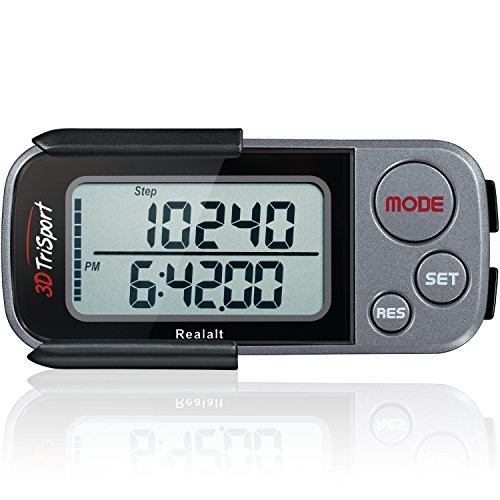
A good pedometer on a budget. It has the features that a simple pedometer should have.
Uses the 3D Tri-Axis Sensor to provide accurate readings of your footsteps, distance walked, calories burned, and walking time.
Big display and a built-in clock.
The Realalt 3DTriSport Walking 3D Pedometer is another model that uses 3D Tri-Axis Sensor to track your footsteps. It monitors your footsteps and records your exercise time, calories burned, and walking distance.
It also stores your walking records for 30 days, thus allowing you to track your progress and set new goals every day.
Another advantage of this model is it comes with a user manual that you can go through to check how to operate the device.
This pedometer has three buttons: set, reset, and mode. Look at the manual if you are unsure how to use these buttons.
Finally, the pedometer comes with a lanyard that you can attach to your bag or pocket or keep the device in your pocket while walking.
Jaxrium 3D Pedometer

The Jaxrium 3D Pedometer does one job: it counts your steps and tells you the time. There is no app to set up and nothing to charge.
The screen is a 1.57-inch LCD with large numbers, so your step count and the clock are easy to read at a glance. It counts from 0 up to 99,999 steps.
Two buttons, MODE and SET, handle the settings. One button switches the clock between 12-hour and 24-hour time. That makes it a pedometer and a small clock in one.
It uses a 3D tri-axis sensor, which is built to ignore movements that are not real steps. It starts counting after 10 steps in a row, so a bump of the arm or a shuffle across the kitchen should not add to your total. It comes with a clip and a lanyard, so you can wear it either way.
The battery is a CR2032, the flat coin type. The pedometer goes to sleep after a minute without movement to save power, and wakes up when you move or press a button.
The trade-off is that it is a step counter and not much more. If you want heart rate, sleep tracking or a phone connection, this is not the one. And a coin battery will need replacing someday, which can be fiddly if small parts are hard for your fingers to handle.
Conclusion
Now that you know the features to look for in a simple pedometer for seniors, compare the prices and buy one that meets your needs and budget.
I think the 3DFitBud Simple Step Counter is the best overall, considering the display, price, features, and ease of use.