Birthdays and holidays can be hard when the person you are shopping for has dementia, and the usual gift lists often miss the mark. If you are looking for the best gifts for dementia patients, you are in the right place.
Below you will find gifts sorted by early, middle and late stage dementia, plus ideas for someone who is simply forgetful, like pill organizers with alarms. I name the downsides too, so you don’t waste your money.
Here is the usual roundup of gifts for older adults if you want it.


Gifts from this list on sale now
Marked down on Amazon as of October 25, biggest discount first. Sale prices come and go, so check the price before you buy.


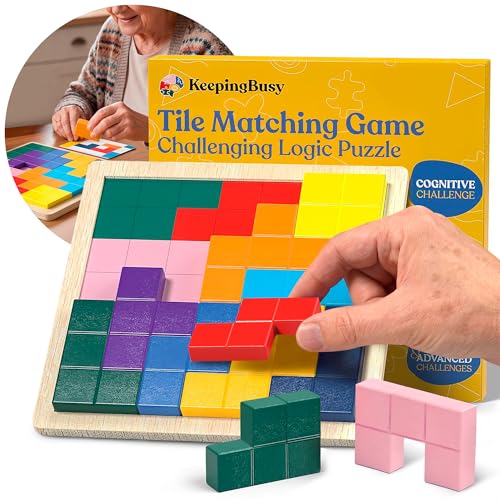
Often, the best gift for someone with dementia is a gift that:
- serves a practical purpose to enrich their lives,
- helps them accomplish a task they may struggle with,
- entertains or keeps their hands busy, or
- provides a sensory experience, especially in the later stages.
Think about the size of your gift too. People who live in assisted care facilities or nursing homes might not have room for larger gifts.
Here are our top suggestions for you.
My Featured Gift Recommendation
Memoryboard Digital Message Board
My featured pick for this list is the Memoryboard, especially for families who don’t all live close by. It’s a simple screen that sits on a table and shows the day and date, along with the messages, reminders and photos family members send from an app on their phones.
Your loved one doesn’t have to push a button or learn anything new, which matters more and more as memory changes. A note like “Dr. Patel at 2:00, Susan is picking you up” just shows up where they will see it. It does need WiFi and a plug, so it isn’t the right fit for every home. You can see how it works, from setup to everyday use, in my full Memoryboard review.
ORKA Talking Clock

Why is the ORKA Talking Clock an ideal gift for someone with dementia?
Firstly, the clock is designed for people with dementia. The large display is easy to read, a real advantage for those with vision issues. It allows the user to easily see the time and date, eliminating confusion about these basic but essential details.
Secondly, one of the standout features of the ORKA clock is the personalized voice reminders. This can be a game changer for someone with dementia. Maintaining a consistent daily routine can benefit people with dementia; these reminders can help establish and maintain such a routine. You can set reminders for everything from medication times to meal times to appointments. The fact that these reminders can be in a familiar voice adds a comforting, personal touch, which can be reassuring for someone with dementia.
FInally, the clock is designed to be user-friendly. The controls for setting the time, date, and alarms are straightforward and easy to use. And there’s even a lock mode to prevent any unintended changes to the settings.
To sum up, the ORKA Talking Clock is more than just a device to tell the time. It’s a tool designed to provide a sense of structure, independence, and reassurance, and it could be a truly thoughtful and useful gift for someone with dementia.
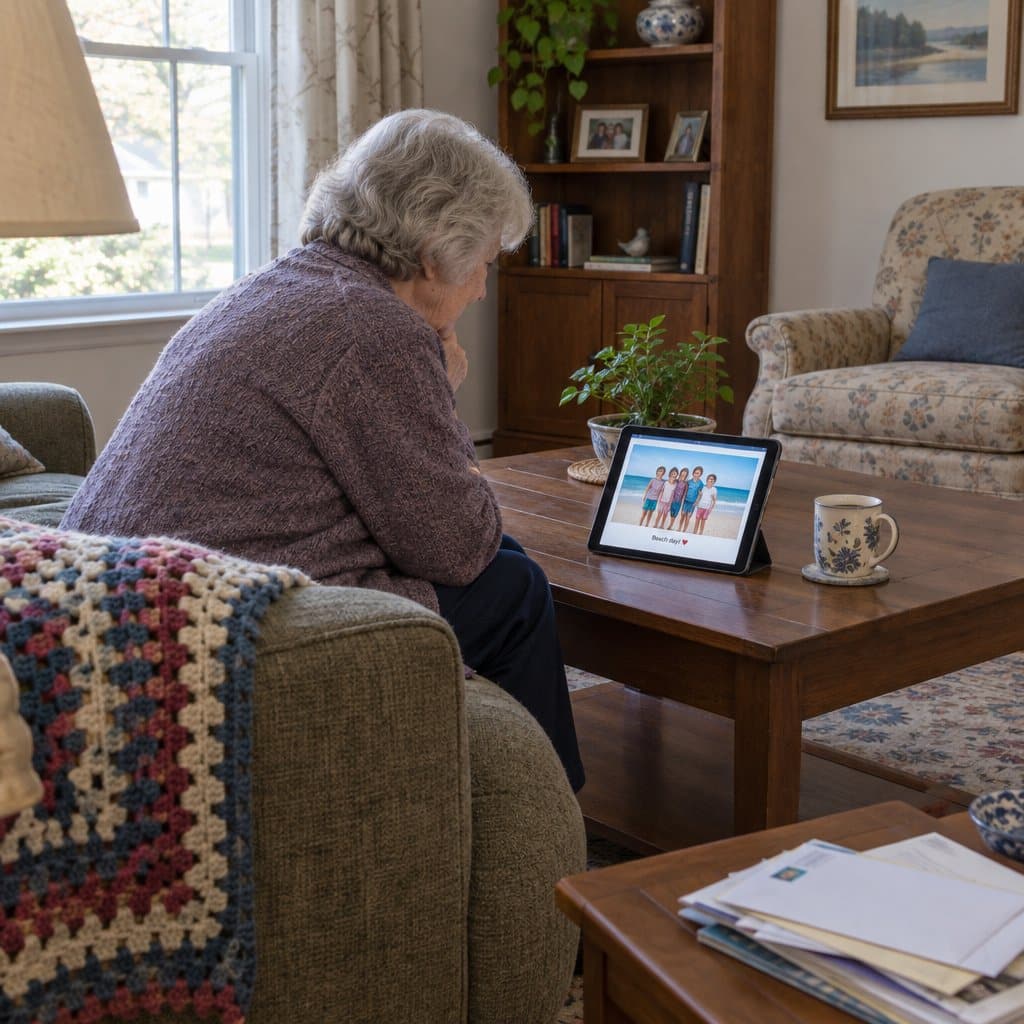
Early Stage Dementia
In early stage dementia, your gift choices may be very similar to what you would buy any older adult. Items that help early-stage dementia patients remember, provide gentle reminders, and improve their home safety are good gift ideas.
invisaWear Panic Button Jewelry

This well-made jewelry features a hidden panic button that you can press when you need any kind of assistance from friends, family, or even the authorities.
It could be a lifesaver for people with early dementia if they get lost or have a medical emergency.
Because the jewelry syncs with an app, your recipient must have a smartphone.
Guideposts Large Print Magazine

A magazine subscription gives someone something to look forward to each month. It can also be a small link to the outside world for a person who doesn’t get out as much as they used to.
Reading keeps the mind active and engaged, which matters when you are living with dementia or Alzheimer’s.
Guideposts Large Print is a monthly magazine of first-person stories written by people from all walks of life. The stories are meant to encourage personal growth and speak to spiritual needs, and they often look at how to balance faith and values with everyday life. The large print edition is made for readers with vision problems.
Because the pieces are stories, a person can read one and stop, without needing to keep track of a long plot.
This one is faith-centered, so it suits someone who finds comfort in that. If your loved one doesn’t, a different title will fit better. Someone in the later stages of dementia may also find reading hard, and a magazine works best earlier on or as something to look through together.
If you want other options, here are large print magazines like Reader’s Digest for seniors with vision problems.
Medical Alert ID Card


This set gives first responders the health information they need if your loved one wanders or has an emergency and can’t explain for themselves. You fill in the card by hand with things like conditions, medications, and who to call.
It comes with four wallet cards and two keychain tags. The keychain tag points responders to the wallet card, which helps when keys are found before a wallet. Card holders protect the handwriting from everyday wear.
The extra cards are handy for backups, or for a spouse or another family member who wants one too.
One thing to know: the cards are paper, not laminated, so moisture can damage them over time. Check them now and then and replace one if it gets worn or damp.
The writing space is also limited. If your loved one has several conditions or a long medication list, you will need to stick to the most important points.
To My Daughter Recipe Keeper

“To My Daughter with Love From My Kitchen” is a recipe keeper, a book where favorite family recipes can be written down and kept in one place.
For someone living with dementia, a book like this gives a loved one a gentle reason to talk about food and the people they cooked for. Writing a recipe down while they still remember it also saves it for the family and for the generations after.
This one is sold as a used book in good condition, so it may show a little wear. It also takes some help. Someone will need to sit with your loved one, ask about the dishes, and do the writing if their hands or memory make it hard. It suits a person in the earlier stages best, and it is less useful later on.
Kay Dee Designs 2027 Calendar Towel

In the early stages, keeping track of the date gets harder. Having a few calendars around the house can help.
This Kay Dee Designs Songbirds Feast calendar towel is a calendar that looks like decoration. It is 100% cotton, measures 17.5″ x 27.5″, and comes with dowels and a cord so you can hang it on a wall. It shows all 12 months of 2027, starting January 1.
When the year is over, you can take it down and use it as a kitchen towel.
One thing to know: it is a plain monthly calendar, so it shows the month and not much else. Someone who needs daily reminders or the day highlighted will want something more than this. It also only covers one year, so you will need a new one after that.
Remedic Weekly Pill Organizer

Keeping track of medications is difficult for many people.
This stackable pill organizer holds a week’s worth of medication in convenient daily drawers, each with four slots for the different times of day the pill should be taken.
Simply pull the current day out of the bottom of the dispenser and the other days slide down a notch to replace it.
The small, compact size is great for travelers too!
Games Magazine
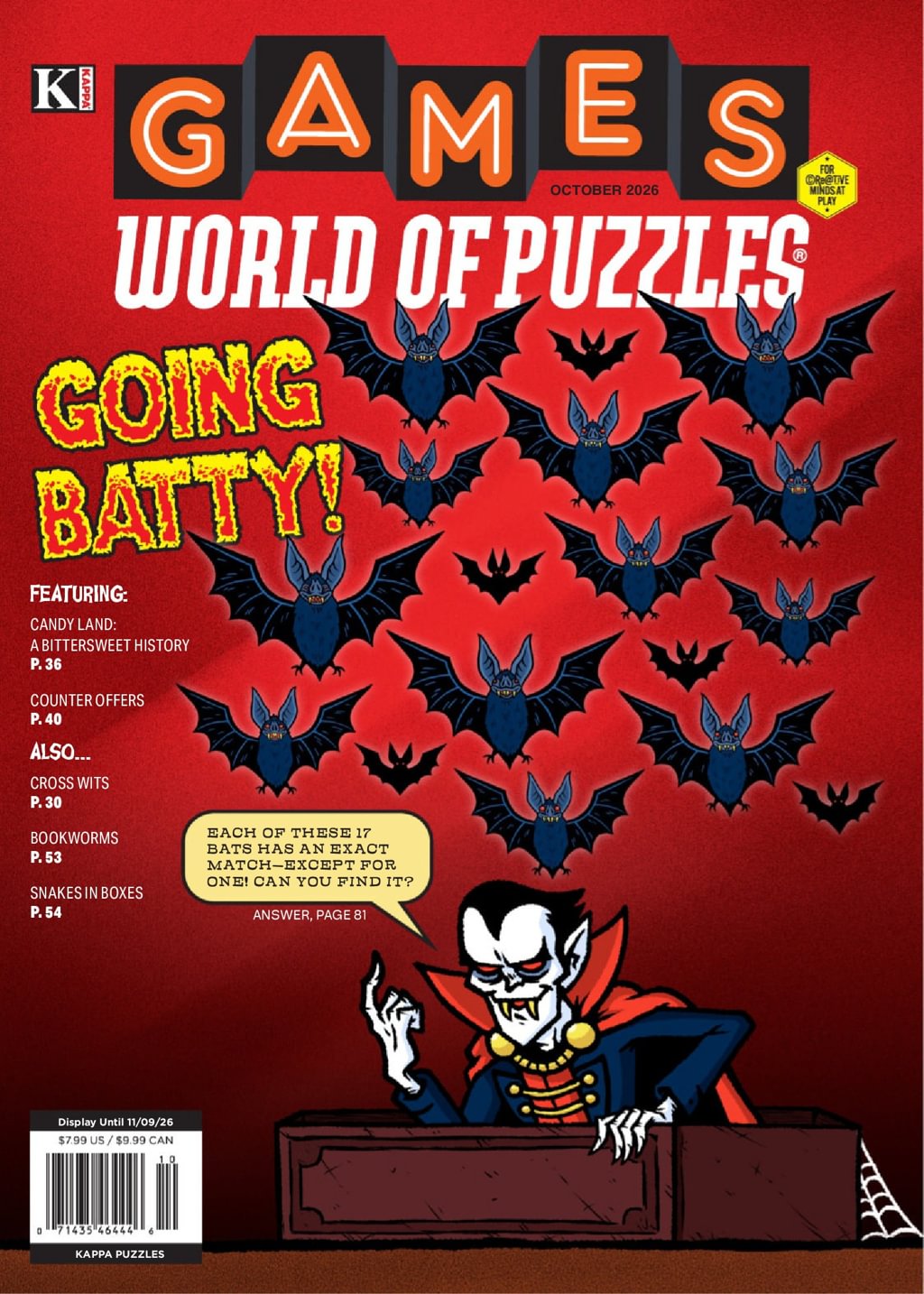
Many older adults enjoy puzzles, and a magazine subscription gives them something new to work on every time an issue arrives.
Games Magazine is packed with crosswords, logic puzzles, trivia, word games and prize contests. For someone with dementia, a puzzle can be a calm way to stay engaged and fight off boredom, whether or not it is solved perfectly.
The magazine-agent.com listing also shows related titles, including large print options like Circle-A-Word Large Print and Easy Going Crosswords. Those may be a better fit for someone whose vision is poor.
One thing to know: Games itself is written for people who like a real challenge, with puzzles meant to push your thinking. In the middle or later stages of dementia, that can lead to frustration instead of fun. It suits someone in the early stage who has always loved puzzles, or a family member who wants to sit and solve them together.
The order comes with a 90-day money-back guarantee.
QUOKKA Memory Games For Seniors

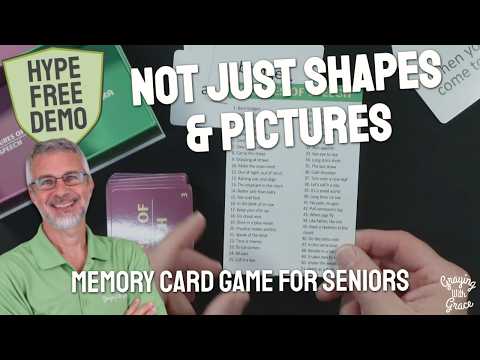
The QUOKKA memory card game is built around matching phrases, and it comes with 202 cards split into two levels of difficulty. This is a good fit for someone who likes a puzzle but gets frustrated by games made for children.
The text is extra large, bold, and high contrast, so the cards are easy to read at arm’s length. The card backs are numbered and there is an answer sheet, so a person can check their own answers without anyone refereeing. That small bit of independence matters to a lot of people.
With 202 cards, the game does not run out quickly. It can also come out when family visits, since a grandchild can sit down and play along.
Keep your expectations realistic. It is an activity to keep the mind engaged, not a medical treatment. And because the game is built on phrases, it may be too much for someone in more advanced dementia, even with the visual clues. It suits the early to middle stages best.
Audiocrazy Wooden AM FM Radio


This is a walnut-finish clock radio that does three jobs in one: alarm clock, AM/FM radio, and Bluetooth speaker. It is the Audiocrazy Vintage Wooden AM FM Radio with Clock.
There are no apps and no streaming accounts to sign into. It has a clear LCD display, so the time is easy to read from the bed.
It holds 80 AM/FM presets. Your loved one’s favorite stations stay saved, so there is no retuning each morning. For bedside use, it also has tap-to-snooze and a sleep timer.
If they like to play music from a phone or tablet, Bluetooth pairs without an app. The radio simply shows up in the device list.
Setting it up the first time, which means saving the presets and setting the alarm, takes some patience. A family member may need to help.
One more thing to know: a power flicker could reset the clock. Check it now and then.
It will not give spoken reminders or answer questions. If your loved one needs medication reminders, this is not the right pick. If a simple radio by the bed would be welcome, it suits well.
Scrapbook Photo Album

A scrapbook gives your loved one a simple way to look back on happy memories. Flipping through pages of familiar faces and places can start conversations and bring stories to the surface.
This one is an 8″x8″ album with a beige linen cover. The cover has a window of about 3 by 3 inches, so you can put a favorite photo on the front.
It has 20 sheets, which makes 40 pages, and the thick white pages are acid-free. That means they are made to keep photos from yellowing over time. The pages can hold up to 40 photos of the 4×6 size, and instant photos fit too.
It works well as a visit activity. Sit down together, pick out photos, and fill a few pages around a theme like birthdays, anniversaries, or trips.
Label each photo with the names of the people in it and the place. Those notes help your loved one, and they help every visitor who picks the book up later.
One thing to know: this is a plain album, so it has no stickers or decorations to go with it. If you want a crafty project, you will need to bring your own supplies. It also suits someone who enjoys a quiet, simple book more than a busy one.
Story of My Life Workbook
Sadly, when our loved ones leave us, their stories and history go with them. With Alzheimer’s, these memories can fade before they do.
This workbook encourages them to share this history with your and provides a place to record memories through a series of questions and prompts.
It will quickly become a treasured heirloom for the family.
SETTINI Tree of Life Journal

This journal has a Tree of Life design embossed on a vegan leather cover. It comes with a pen and a gift box, so it is ready to give.
The spine works as a pen holder, so the pen stays with the book. A closure strap keeps it shut, a ribbon bookmark marks your place, and an inner pocket holds small keepsakes like a photo or a ticket stub.
It has 192 pages and measures over 6 by 8 inches. That is enough room for thoughts, dreams, and favorite memories, or a travel or garden diary.
Many people find that writing things down helps them hold on to memories and keeps the mind active. It is also a quiet, private way to record what matters to them.
One thing to know: this suits someone who still enjoys writing by hand. If holding a pen has become hard, or the person gets frustrated by a blank page, a photo album or a memory book with prompts may be a better fit. A family member could also write alongside them.
Frameo WiFi Digital Picture Frame
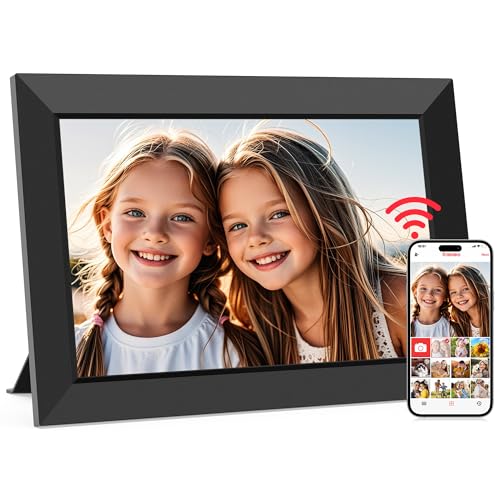
The Frameo 10.1″ WiFi Digital Picture Frame shows a rotating slideshow of family, vacation, and travel photos. Instead of one or two pictures in a regular frame, you get a steady stream of faces and places.
The nice part is that you don’t have to be in the room to add to it. Family and friends send photos and videos (up to 15 seconds each) from their phones using the free Frameo app, which works on iPhone and Android. The frame only accepts pictures from people you have invited, so strangers can’t send anything.
The screen is 10.1 inches, with a touch screen for swiping through pictures. It has 32GB of built-in storage, which is plenty for a very large number of photos. It has auto-rotate and can sit on a table or hang on a wall.
One trade-off: it needs a WiFi connection at the person’s home, and someone has to set it up and invite the family members first. It also isn’t a good fit if you want a frame with no screen to touch, since a person with advanced dementia may tap or swipe at it and change settings by accident. It suits the early and middle stages best, where a changing set of familiar photos can start a conversation.
Keurig K-Express Coffee Maker
For a lot of people, that first cup of coffee is what gets the morning started. Keeping that habit going can be a comforting gift.
The Keurig K-Express is a single-serve coffee maker that works with K-cup pods. You pick a cup size (8, 10, or 12 ounces), press the button, and it brews in a few minutes. There is also a Strong Brew button for a bolder cup.
The 42-ounce water tank lifts out for filling and holds enough for up to four cups before a refill. It shuts itself off five minutes after the last brew, which is a nice safety net.
If your loved one prefers ground coffee, it works with the My K-Cup reusable filter. That filter is sold separately, so it is not in the box.
One thing to know: there are a few buttons and a water tank to keep filled. In the later stages of dementia, someone may need a helper to run it. It suits the early to middle stages best, ideally with a family member nearby to set it up and check on it.
Esky Key Finder Locator

This is a gift that many people could use, whether they have dementia or not.
Keep the transmitter in a central location and attach one of four receivers to the car keys, house keys, remote controls, phones, or whatever else they might frequently lose or misplace.
Hit the button, hear the loud beeps, and find what’s missing!
All Occasion Card Set

This set of greeting cards prepares your loved ones or friend for any and all upcoming events.
They can write out holiday cards and send letters of appreciation, condolences, or congratulations. Throw in a set of lifetime stamps while you are at it so that they can mail their cards when it’s time.
For someone with Alzheimer’s or late-stage dementia, fill out envelopes with names and addresses in advance.
Games Puzzles Trivia Challenges
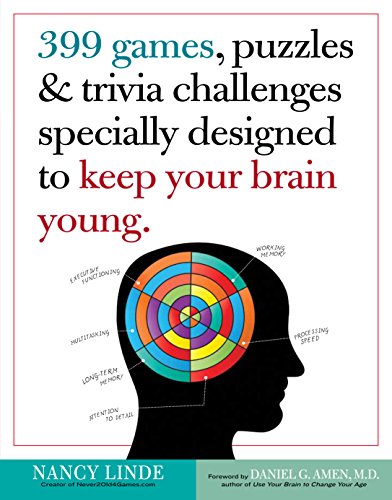
There are many game options that are good for improving brain power. Crosswords, Sudoku books, word searches, and trivia quizzes are just a few.
This book is an excellent option for creating and interacting with games that not only pass time and entertain but also keep the mind firing on all cylinders!
TimerCap Smart Pill Bottle Cap

This is a pill bottle cap with a built-in stopwatch. When you close it, the stopwatch starts counting up the seconds, minutes, and hours since the bottle was last closed. It comes as a set of two 4.0 oz amber bottles.
That makes it a practical gift for someone who sometimes can’t remember whether they already took their medicine. One glance at the cap answers the question, which helps with medication management and lowers the chance of taking a dose twice.
There are no alarms and nothing to program or set, so there is no setup to puzzle over. The caps also come in different colors, which can help you tell one medication from another, or one person’s bottle from another’s.
The trade-off: it only tells you how long it has been since the bottle was closed. It does not remind anyone when a dose is due, so it won’t suit someone who needs a prompt to take medicine in the first place. It also tracks one bottle at a time, so a person on many medications will have several caps to keep straight.
Magnetic Dry Erase Board

Magnetic dry-erase boards can help tremendously during the early stages of dementia: write down grocery items, appointments, upcoming birthdays, etc
Put one in each room so that there is always a reminder or a space for notes when needed.
It comes with an eraser and multiple colored markers, and the whole thing sticks to the refrigerator.
Juvale Magnetic Note Pads

If large whiteboards are too intrusive, your loved one may find these smaller magnetic notepads more acceptable.
With this kit, you get a pack of 12 reminder pads, one for each month. There are magnetic strips on the back of each pad, so they will stick to the fridge, a metal filing cabinet, etc.
Be sure to include a pack of pens and a magnetic container to hold them so that there is always one nearby.
AncestryDNA Genetic Test Kit

Many people get curious about where their family came from, and a DNA kit can be a gentle way into that. The AncestryDNA Genetic Test Kit is one way to do it.
You activate the kit online, then mail back a saliva sample in the prepaid package. Results show up online in roughly six weeks.
The results show where your ancestry traces back to, from over 4,800 places around the world. They also show DNA matches with living relatives. You can see results by each side of the family without your parents needing to take a test, and regions can be traced back to your grandparents.
A gift like this can also start conversations. Your loved one may remember stories about earlier generations that you have never heard.
Two things to know. The family tree records and database (covering 500 years and 80+ countries) need an Ancestry subscription on top of the kit. And the kit takes some setup online, so it suits someone who has a family member to help with that step. It is also a poor fit for someone who would be uneasy about sharing DNA or finding unexpected relatives. The company says it uses industry-standard security measures.
EZclicker Big Button TV Remote
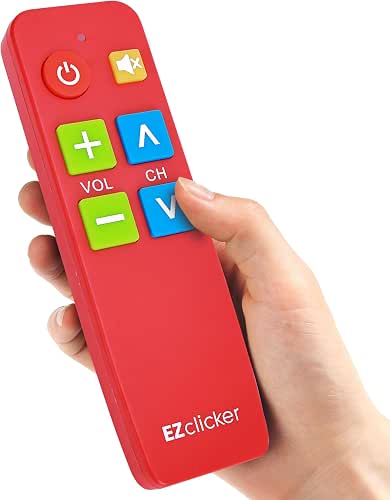

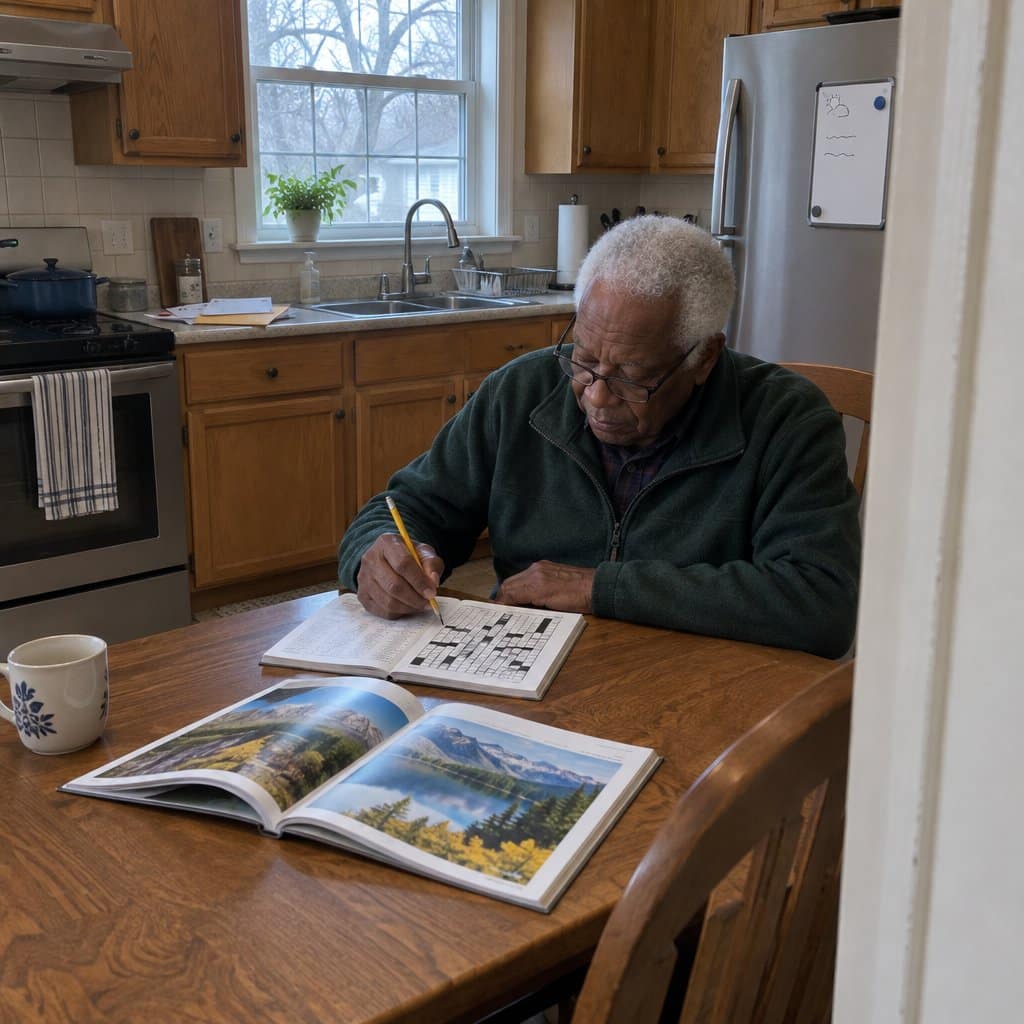
A regular remote has many buttons, and one wrong press can land someone in a settings screen they can’t get out of. This one has four large buttons, so there is far less to get wrong.
It comes without batteries and works only with major TV brands, so check yours first. I wrote up the details in my my big button remote review.
Middle Stage Dementia
In middle stage dementia or Alzheimer’s, your loved one’s needs will be greater. This is when easy-to-use items, reminders, and home safety items become more important when gifting.
Betife Large Weekly Pill Organizer


This is a seven-day pill organizer with three doses a day, so it holds a full week of morning, midday, and evening pills in one place.
The drawers are the main feature. Each one opens with a one-finger pull, so there is no gripping, pinching, or snapping a lid open like on standard flip-top organizers. That matters for anyone with arthritis.
The compartments are sized for large supplements like fish oil and CoQ10 softgels. Each day also detaches as its own pod, so you can take just one day on an outing without carrying the whole week.
The trade-off is that there are 21 separate drawers, which means more pieces to fill each week. And it has no alarm, so for someone with dementia who forgets to check it, a caregiver or a separate reminder will still be needed.
Learn more about automatic pill dispensers for dementia in this guide.
EZclicker Big Button TV Remote

The EZclicker Big Button Universal TV Remote is about as stripped down as a remote gets. It has large, high-contrast buttons and very few of them, so there is less to get confused by.
That matters for someone with dementia. Fewer buttons means less chance of landing on an unfamiliar screen or menu. The buttons are also distinctly shaped, so a person can find them by touch without having to look.
It pairs with major TV brands without a code book, which saves a family member a tedious chore. The maker says it works for turning the TV on and changing the volume.
Now the downsides. It controls TVs only. If you use a cable box, streaming stick, or soundbar, this remote cannot run them.
Setup also calls for holding down two buttons at once. That can be hard for someone with limited hand strength, so plan on doing the programming yourself before handing it over.
NOMO Smart Medical Alert System
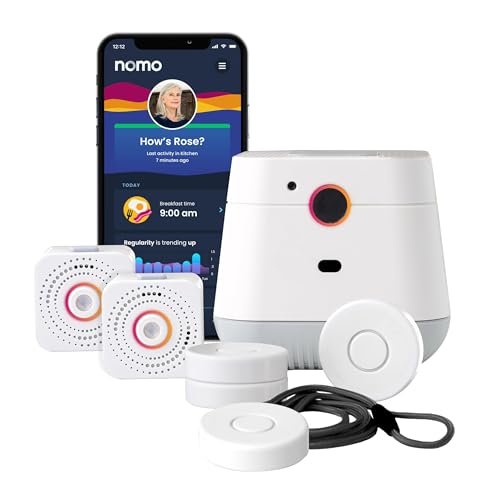

If you are shopping for someone who lives alone, the NOMO Smart Care Medical Alert System is worth a look. It is a fall detection system that works over the home’s WiFi, with no camera in the house.
The person wears a tag. If it detects a fall, it sends an alert right away to a “Care Circle,” which is the group of family members or friends you set up to be notified.
There is also a Hub with two-way voice. A caregiver can speak straight to their loved one through it, without needing to place a phone call.
Setup is plug-and-play. No technician and no wiring are needed.
Now the downsides. The system depends entirely on WiFi, so if the home internet goes down, the alerts stop. It also isn’t a one-time purchase. After the 60-day trial, 24/7 professional emergency response requires a monthly subscription.
It is best for someone who has reliable home internet and will wear the tag. It is not a good fit for a person who is often out of the house, since it works in the home.
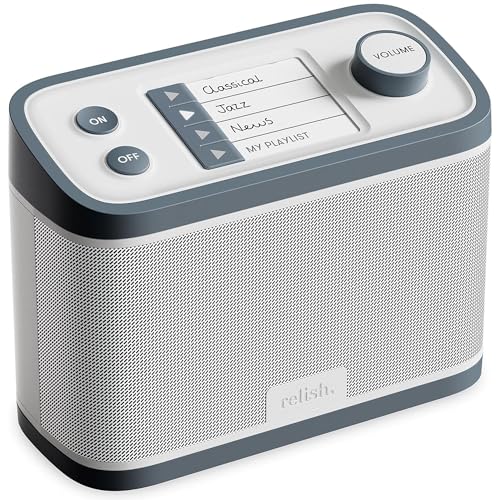
Relish Simple Radio Music Player
This nostalgia-inspired radio is designed to be extremely easy to use, including for people with dementia and Alzheimer’s.
It features an easy-to-use control panel with big buttons that are easy to see. The volume never goes completely off so that the user will know it’s still on. it’s lightweight and durable too!
Caregivers can program their favorite stations into the one-touch buttons on top, allowing them to still have variety and choice in their music.
Day Clock with Reminder Assistance
Keeping track of the day of the week or the date is not always easy, and it is a common struggle for people with dementia.
This large clock/calendar is perfect as it shows the date, day of the week, time, and year all there at once to make it very handy.
You can also program various reminders into it, from appointments to medication reminders.
RAZ Memory Cell Phone

The RAZ Memory Cell Phone is a phone made for people with dementia, cognitive decline, or low vision, and for anyone who simply wants a simple phone.
The caregiver does the setup. Through the RAZ Care app on your own smartphone, you can manage settings and contacts from wherever you are.
You also choose which features are turned on, based on what your loved one can handle. If something becomes confusing, you can leave it off.
It works with Verizon, AT&T, and T-Mobile, plus others such as Consumer Cellular, Cricket, Mint Mobile, and Straight Talk. You can keep your existing number and provider or pick a new one.
The trade-off is that this is a phone you manage for someone else. It suits you best if you are willing to handle the app and settings. It is not for someone who wants to tinker with a phone on their own.
Learn more in our guide to smartphones for dementia.
Big Button Phone For Seniors


This is a corded landline phone with ten photo buttons. A caregiver sets each one up with a familiar face, and the person with dementia presses the picture to call. There are no menus and no phone numbers to remember.
The number keys are extra large, with high-contrast labels, which helps with low vision or limited dexterity. The ringer goes up to 110dB, and a separate switch on the handset adjusts the volume for hearing loss.
There is also a One-Touch Speed Dial Mode that turns off the number keypad completely. That keeps stray digits from being dialed, but 911 and any other emergency numbers have to be programmed in before you switch it on.
The trade-off is that it is a corded phone with no battery backup. If the power goes out, it goes silent. It also stays in one spot, so it is not the right choice if the person needs to call from room to room or outside the house.
Learn more in our guide to smartphones for dementia.
VTech Senior Corded Phone

The VTech SN1117 is a corded phone with 8 photo speed dial keys. You attach a picture to each key, so a person can press the face of a daughter, a grandson or a doctor instead of remembering a number.
The buttons are large and high-contrast, and the phone speaks each number out loud as you dial. That helps with low vision or arthritis, and it lets the person confirm they pressed what they meant to.
A bright flashing light shows when a call is coming in. There is also a full-duplex speakerphone (both people can talk and be heard at once, like a normal conversation), and the earpiece and speaker volume can be adjusted.
It is fully corded and runs off the landline, so it needs no AC power for basic calls and keeps working in a power outage.
The trade-off: it needs a landline jack, so it will not suit a home that only uses cell phones or internet calling. And with 8 photo keys, it works best when there is a short list of people the person calls most.
Memoryboard Digital Calendar Display
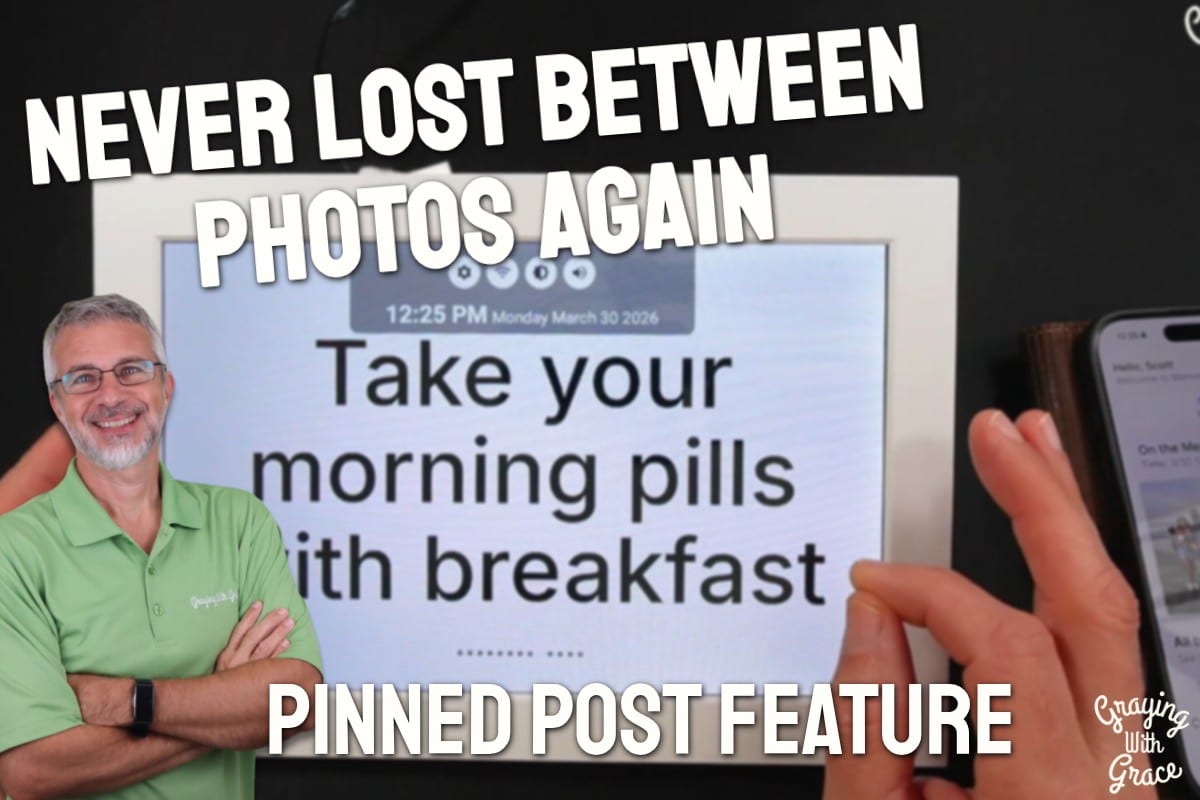

The Memoryboard is a digital calendar and reminder display. Family or caregivers add reminders, photos, and loving messages from their own phone, and they show up on the board at home, no matter how far away they are.
It suits someone with dementia who does better with a clear daily structure and a family that wants to stay involved from a distance. A message like “Lunch is in the fridge” or a photo from the grandkids can appear without a phone call.
There is no subscription required, which is nice to know before you buy. The company also offers a 120-day return window, so you have time to see whether it fits into the daily routine.
The trade-off: someone else has to do the work. The board is only as useful as the reminders a family member sends, and it needs a person on the other end who is willing to keep it current. If nobody can do that regularly, this will not be a good fit.
Yigney Large-Format Jigsaw Puzzle Set


Six 48-piece puzzles with large pieces sit in the range occupational therapists recommend for middle stage dementia. The box says nothing about dementia, so it can be given like any ordinary gift.
Each puzzle has a full-size reference poster, which helps when someone gets stuck. For early stage or lifelong puzzle fans, 48 pieces may feel too easy, and I can’t promise the pieces hold up to heavy daily use.
Clocks, Alarms and Picture Phones
A clock and an alarm make a useful gift for someone who often forgets things. An easy-to-read clock makes it much less likely they lose track of the time.
Many calendar clocks show the date right on the face. One quick glance tells them what day it is, and they can set an alarm for whatever they like.
The same idea shows up in pill dispensers for dementia that have built-in alarms. A sound goes off when it is time.
Names can be very hard to remember with early-onset dementia or Alzheimer’s. A picture phone lets them dial by photo, and faces are much easier to recognize than names.
There are also cell phones for dementia patients that work the same way.
For something to do between reminders, a bubble-popping word search game gives a multi-sensory activity along with some mental exercise.
The trade-off is that clocks, alarms and phones only prompt. Someone may need to help set them up and keep them set up.
Bovintex Talking Pill Reminder Alarm Clock


Instead of a beep, this alarm plays a recording of a daughter, spouse, or grandchild reminding the person to take their medicine. It needs no app, Wi-Fi, or Bluetooth, and one USB charge lasts about 30 days.
It holds only three alarms, so it won’t cover a complicated schedule. The three volume levels may also fall short for significant hearing loss.
I walk through it in my my Bovintex review.
Pill Organizers With Alarms
Medication is one of the hardest things to keep track of when memory slips. Missing certain medications can put a person’s health at risk, depending on what the medicine is for.
A daily pill organizer is a useful gift for that reason. Some versions have a built-in alarm, and those are the ones to look at first.
A monthly organizer lets you plan out a whole month of medication at one time. Everything is stored in one place, and the alarm calls attention back to it if things slip your loved one’s mind.
Another kind is a smart pill organizer that shows the last time the bottle was opened. Say your mom cannot remember whether she took her morning pill. One glance tells her, and she is less likely to take a second dose by mistake.
If you want to read more about managing medication, there is a separate guide on it.
The trade-off is that an organizer only holds the pills and sounds a reminder. Someone still has to load it, so think about who will do that before you buy.
e-Pill MedTime Pill Dispenser

The e-Pill MedTime is a locked pill dispenser that releases medication at the scheduled time. It is meant to help prevent missed doses and double doses, which are the two mistakes that worry families most.
You can program up to 24 alarms a day. Each one has a loud sound and a flashing light, and the alarm goes quiet on its own once the medication is dispensed. You can set it to keep alerting for anywhere from 5 to 60 minutes. There are no monthly fees or subscriptions.
It suits someone still managing medications on their own, and it also suits a caregiver looking after a loved one at home or in assisted living. The lock matters in dementia care, because the pills are not sitting out where a second dose is easy to take.
The trade-off is that someone has to fill and set it up correctly, and that person is usually a family member or caregiver. If the schedule is wrong, the dispenser will faithfully deliver the wrong thing at the wrong time. It also won’t help a person who ignores the alarm and walks away from it, so it works best with someone checking in now and then.
VEXA VitaMate Pro 21 Smart Pill Dispenser
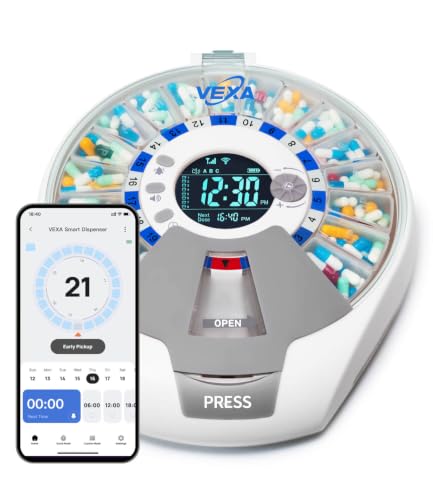

A pod rises to bring each dose within reach, so there is no twisting or gripping, which helps with arthritic hands. It buzzes, lights up, and can alert a caregiver through the app, and it holds 21 days of doses.
It costs a good deal more than a basic pill organizer, and a family member may need to help with the app and Wi-Fi setup once. You can see how it works in my my VEXA review.
Late Stage Dementia
Gifts for late-stage dementia patients and people with advanced Alzheimer’s disease are the toughest of all. Their needs are greatest in this stage, and they may no longer take pleasure in the things they previously enjoyed. Gifts in this stage are generally more about comforting or keeping loved ones safe.
Dignity Open-Back Gowns

In the later stages of dementia, some people have a hard time getting dressed, and some pull at their clothes or take them off. Dressing a person who is bedridden or resistant can turn into a daily struggle for everyone involved.
Dignity Gowns makes open back nightgowns for women and pajamas for men, designed for caregivers who are helping someone dress. The back is open and the shoulders close with Velcro, so there is no pulling clothing over the head or working arms through tight sleeves.
They are meant to look like ordinary sleepwear rather than a hospital gown. One example is a long sleeve V neck nightgown with lace trim. They are made in the USA.
One thing to keep in mind: these are made for someone else to dress, so they suit people who are being helped by a family caregiver or care staff. If your loved one still dresses on their own, regular sleepwear will probably feel more natural to them.
Silverts Open Back Bed Jacket


In the later stages of dementia, dressing can become a struggle. Raising arms, pulling things over the head, and working small buttons can all be hard, and it can leave both the person and the caregiver frustrated.
The Silverts Women’s Adaptive Sleep Cape is an open-back fleece bed jacket that slips on from behind. Nobody has to lift an arm overhead, so a caregiver can drape it on in seconds.
The front buttons are sized for stiff or arthritic fingers. The fleece covers the shoulders and chest without the bulk of a robe, so it works well for sitting up in bed or in a chair.
A few things to know. It comes in one size only, so if the woman you are shopping for has a petite frame, check the measurements first. It also keeps only the shoulders and chest warm, so it does not replace a full robe or a blanket.
It is made for women. It suits someone who needs help dressing, has limited mobility, or is recovering from surgery.
Shake Loose a Memory Game

The object of Shake Loose A Memory Games is to keep as many cards as possible.
But the “secret” goal is to talk about and recall memories!
Example questions:
- “If you have played the piano, do you remember practicing?”
- “Have you ever had champagne?”
- “Remember celebrating weddings?”
There are no wrong answers. The game aims to create success and help recall positive emotional events.
Keeping Busy Tile Matching Game

This is a wooden tile-matching kit made for people living with dementia. You match chunky wooden tiles to the templates, and the activity can be made easier or harder depending on the person.
There are three difficulty levels. That lets you pick one that suits where your loved one is now, and move up or down later. A task that can be finished tends to bring a sense of accomplishment. One that is too hard tends to bring frustration.
The solid-wood pieces are chunky and easy to grip, and they hold up to daily handling. The kit includes 26 templates and a compact storage box, so it works at home or in a memory care setting.
People with dementia are not children, but many still enjoy a simple matching game. This one is a good middle-ground gift because it doesn’t feel like a toy made for a toddler.
Two things to know. How well it goes depends a lot on starting at the right level, so expect to watch and adjust at first. Also, if the templates are paper sheets, they will wear faster than laminated card with frequent use.
Essential Film Noir Collection

In the later stages of dementia, a movie collection from their favorite era can be comforting.
There are many gift sets out there of movies from various genres and time periods, so try to find something that suits the person you are shopping for.
Familiar films may be comforting for some people, such as sets of westerns or Marilyn Monroe films.
VigorKeeper Simple Music Player
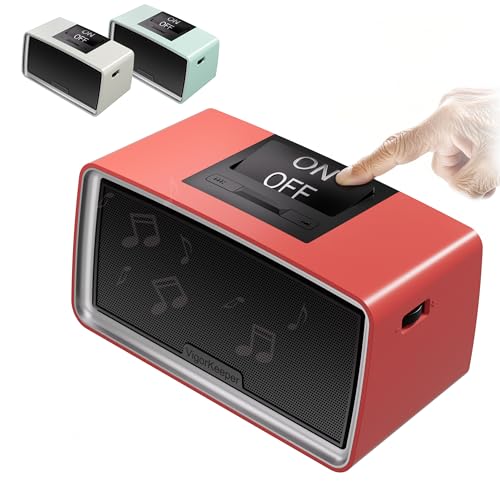
The VigorKeeper Simple Music Player is made for people with dementia, Alzheimer’s, low vision, memory loss, or hand tremors such as those from Parkinson’s. The idea is to take the frustration out of electronics.
It has one extra-large ON/OFF button. One press starts the music, and it picks up right where it left off the last time.
There is no Bluetooth pairing, no WiFi, and no batteries to charge. You plug in the power cable and it is ready to go.
Music from a person’s younger years can bring back moods and memories, so a player they can run on their own gives them some independence.
One trade-off: it needs to stay plugged in, so it suits a favorite spot in the room better than carrying around the house. And since there is no pairing or app, a family member will need to take care of choosing the music.
CallToU Bed Alarm and Pager


A sensor near the bed edge sends a silent vibration to a portable pager when the person stands up, so a caregiver can sleep without a loud alarm. The pager works 50 to 100 feet away, and the sensor is designed to tell standing from restless sleep.
Placement within one to three feet of the bed edge matters, and each sensor pairs with one receiver, so more rooms means more units. I cover it in my my CallToU bed alarm review.
Sensory Gifts
If you’re looking for ways to support a loved one with dementia, you may want to search a gift that will stimulate their senses. These dementia sensory gifts help people with dementia and Alzheimer’s patients stimulate mental processing and memory.
Sensory Weighted Blanket

MindCare’s Sensory Weighted Blankets have designed this line of weighted blankets specifically with dementia patients in mind.
Perfectly weighted, the blanket can wrap the body like a shawl or cover the body when sleeping.
Some people find the pressure calming. Check with their doctor or therapist first, and make sure the person can easily move the blanket off themselves.
QUOKKA Dementia Puzzles Set

This is a set of three large-piece jigsaw puzzles made for dementia care. Each one has 21 oversized pieces, so they are easy to grip with arthritic or unsteady hands.
The three designs show birds and cats. Rotating between them keeps things fresh, and you can pick the one that matches how the person is doing that day.
Each finished puzzle measures 9.1 x 13.3 inches. That fits on a lap, a tray table, or a bedside surface, so it can go wherever they are most comfortable.
Activities that engage the senses and the mind may be a good fit for people with dementia, and you can read some of the research on it. A simple puzzle is also just a pleasant way to spend time together.
A couple of things to know. The pictures are only birds and cats, so if the person has no fondness for either, this set may not click.
And 21 pieces may feel too simple for someone in the early stages. For them, a puzzle with more pieces will likely be a better fit.
Fidget Blanket For Dementia

A fidget blanket is a soft cloth mat with things to touch, feel, and fiddle with. It gives restless hands something to do.
Keeping busy with activities may help ease anxious feelings in late-stage dementia.
This gray one is made of natural cotton and measures about 25.4 x 17.12 inches. That is big enough to rest across a lap or a chair tray. The soft fabric is meant to calm, and it comes with tags to touch and pull at.
The maker says it can help ease anxiety and irritability and give a sense of security. It is also used by people with autism, ADHD, and anxiety, so it may suit others in the family too.
One thing to know: it is a single mat with a simple design. If your loved one likes buttons, zippers, or other pieces to work with, a busier blanket may hold their attention longer. Watch the first few uses to see what draws them in.
There is an entire guide to fidget blankets and quilts for dementia you can read for more info.
Relish Ocean Life Aquapaints

Dementia can leave people feeling disconnected from life and might make it difficult to keep enjoying their favorite hobbies.
This kit is a good gift for someone who is artistically inclined but might no longer paint like they used to.
This set contains five images that are specifically designed to bring back positive memories. Messy paints and steady hands aren’t required.
To bring these images to life, all you need is water. If you sit down with a loved one while they’re painting, the image could even spark conversation!
Pushpeel Sensory Activity Board

If you want a quiet activity that keeps hands busy and doesn’t need batteries or a screen, the Pushpeel Sensory Activity Board is worth a look.
It’s a silicone board that comes with 11 strings and a travel bag. The idea is open-ended: your loved one can thread, arrange, and rearrange the strings however they like, and there’s no right or wrong way to do it.
It’s silent and has no mess, so it works in a waiting room, a car, or a quiet corner at home. The maker describes it as suitable for people of all ages, from preschoolers to seniors, and says it’s meant to help with calming and stress.
One thing to know: it’s sold as a toy for kids 3 and up as well as adults, so it isn’t made specifically for dementia. The strings also take some hand coordination and attention. It may suit someone in the early or middle stages better than someone who has trouble following an activity or tends to put small things in their mouth. If that’s a concern, stay nearby the first few times.
Dementia Fidget Toys
The purpose of dementia toys is to keep the always-moving hands of a person with dementia busy. You may notice your loved one seems calmer with something to do.
Fidget Hand Muff Dog

This is a hand muff made to look like a brown dog. It is a soft tube your loved one can slide their hands into, with zippers and buttons on it to keep restless hands busy.
Stroking it can feel a bit like petting an animal. That can be a comfort for someone who misses having a pet around, or who feels lonely. It can also help during daily care routines, when anxious hands need something to do.
It is also described as helpful for people who pick at their skin, since the hands have something else to work on. It can be used at home or taken along when traveling.
One thing to watch: it has small attachments, so it is not right for anyone who chews or tears at things. Keep an eye on the first few uses to see how your loved one handles it.
Fidget Blanket For Dementia

This fidget blanket comes with 13 sensory items for busy hands to explore. It is meant for people with dementia who get anxious or restless when they have nothing to do.
The idea is simple. Touching, pulling and fastening things gives the hands something to do, and that can help a person settle and relax.
It measures about 22 x 28 cm folded and about 45 x 28 cm unfolded, and it has handles, so it is easy to carry and store.
One thing to know: it is a fairly small piece, so it works best as an activity for the lap, not as a full-size blanket for warmth. It also will not suit everyone. Some people take to it right away and others ignore it, so it helps to sit with them the first time and show them a few of the items.
Wearable Fidget Apron
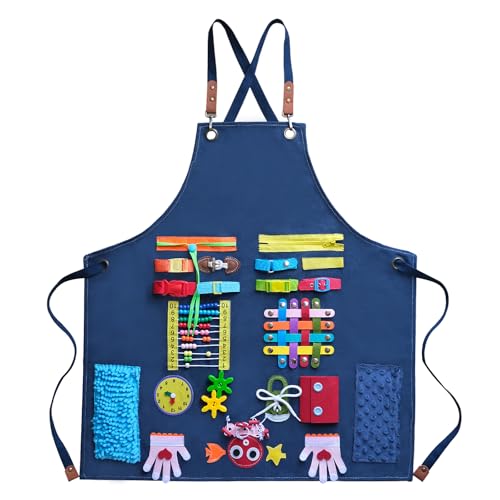
If your loved one is always reaching for something to do with their hands, a fidget apron keeps those activities within reach. This one ties at the back, so it stays in place instead of slipping off like a blanket can.
It has zippers, buckles, shoelaces and an abacus, along with fabrics that feel different to the touch. Fiddling with them can redirect attention, ease restlessness and give a gentle bit of mental stimulation.
It can also free up your hands as a caregiver, since your loved one has something to keep busy with on their own.
One trade-off: it only works if the person is comfortable having something tied on. If they dislike things around the neck or waist, or get upset by being fastened into anything, a lap blanket style may suit them better.
It’s also worth watching the first few times. Zippers, buckles and laces are meant to be handled, but you’ll want to be sure they’re used the way they’re meant to be.
Relish Marble Maze Game

Dementia can affect coordination, a problem sometimes called apraxia. Simple hand and eye activities can give someone a gentle way to keep using those skills.
The Relish Marble Maze Circuit Game is a handheld game made for people living with dementia. You guide the marble around the circuit by tilting the maze with both hands.
It is meant to be calming and entertaining at once. Relish makes activities for people with dementia, and designed this one to support dexterity and coordination. They describe it as suitable for people with visual impairments too.
The trade-off is that tilting with both hands takes some steadiness. Someone with significant tremors or very limited use of one hand may find it frustrating rather than soothing.
It also isn’t about winning. If the marble never makes it around the circuit, the person can still enjoy the tilting and watching it roll. Sitting beside them for the first few tries helps.
PLAYABLE ART Wooden Fidget Toy

This colorful ball is beautiful enough to display, but it can also give someone with dementia something to handle and shape while using their imagination.
The interconnected wood balls are easy to move and can be molded into all sorts of shapes.
Since the wooden balls are all polished, there are no rough edges to worry about either. This art ball is available in different colors too.
S.B.ARTS Eyeglasses Holder

This is a wooden glasses holder shaped like a cat. You set your glasses on its nose, and they stay in one spot instead of wandering around the house.
For someone with dementia, a set place for glasses can cut down on the daily search and the frustration that comes with it. It sits on a desk or a bedside table, so it works well as a “glasses live here” spot. It is made of mango wood and handcrafted, and it is pretty enough to double as a little decoration.
One thing to know: it only helps if the glasses actually get put back on it. Someone in the later stages may not remember to do that, so a family member or caregiver may need to nudge them. It also holds just one pair, so it suits a person who wears one pair most of the day.
Vanavazon Self Watering Pots
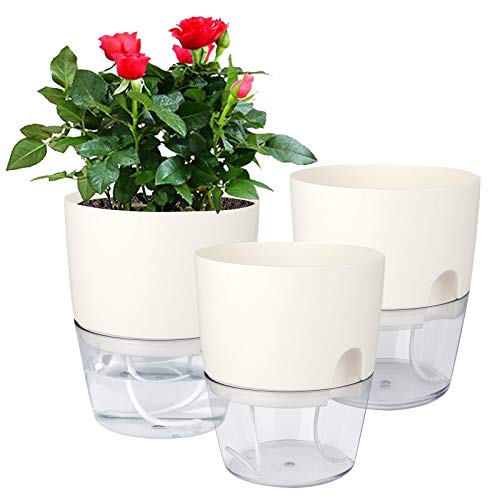
These are 6-inch plastic pots that water themselves. Water sits in a lower layer, and a cotton wick rope draws it up to the soil as the plant needs it. The set comes with three.
For someone with dementia, a living plant can be a calm, familiar thing to care for. These pots take away the worry of overwatering or forgetting a day. The water supply is meant to last a week or longer, so a family member can top it off during a visit and the plant stays healthy in between.
The plastic is described as non-toxic and sturdy, and the round shape is plain and neat enough to sit on a windowsill or a table. The name points to African violets, but they also suit succulents and other houseplants.
One trade-off: the pot does the watering, so the person has less to do with their hands. If your loved one enjoys the act of watering, a regular pot with a small watering can may suit them better. Someone who might mistake the wick or water layer for something else will also need a little supervision.
Talking Watches
People with dementia often ask “What day is it?” A watch that says the time, date, and day out loud when you press a button can answer that without anyone having to ask you, or be asked. It also helps if reading small numbers on a watch face is hard. It’s a small gift, but it can be used every day.
Here is what to look for. Pick a watch with one big button that is easy to find and press, and a voice that is clear and not too loud. Check that it says the day and date, not just the time. Look for one that sets itself, because fiddling with tiny knobs is where watches often lose people. Know the downsides too. Self-setting watches get their signal from the air, and that can be spotty in some buildings and places. Some people will not want to wear a watch, or may be startled when it speaks. A trial run before the big day is worth it.
Hearkent Atomic Talking Watch
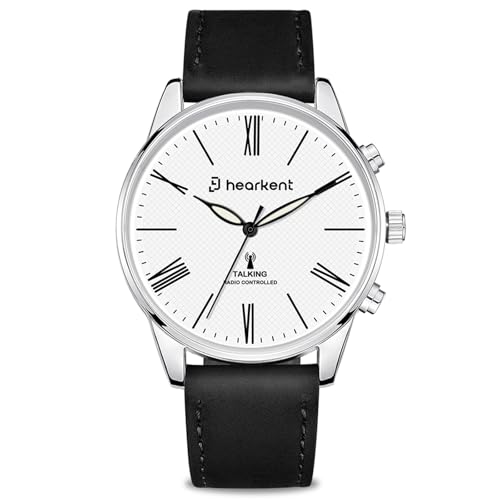

This is a talking watch. Press one button and it says the time, the date, and the day of the week out loud, so there is nothing to read and nothing to work out.
For someone with dementia, that can take a lot of the worry out of the day. Losing track of the day or the date is common, and a quick press gives a calm, plain answer without having to ask anyone. It also suits anyone with low vision.
It sets its own time. The watch syncs to an atomic signal every night, so once it is set up, nobody has to fiddle with a tiny crown. The face has Roman numerals and comes on a leather band.
Two things to know. Signal reception can vary indoors or in fringe areas, so it may not keep perfect time everywhere. And there is no water resistance rating listed, so keep it away from the sink and the shower.
Weighted Stuffed Animals
A weighted stuffed animal is a soft toy with a little extra heft inside, usually from small beads or pellets sewn into the body. Some people with dementia like to hold something that has some weight to it. Some people find the pressure calming, and it gives restless hands something to do. It may suit a person who needs something to hold in the afternoon or at bedtime. Check with their doctor or therapist first, and make sure the person can easily move it off themselves.
Before you buy one, check a few things. Look at how heavy it is. A toy that is too heavy gets tiring to hold and can’t be tucked into an arm or onto a lap. Look for a cover that is soft and a seam that is sewn well, so nothing spills out. Check the care instructions, because you will want to wash it, and some of these have to be spot cleaned only. If it can be warmed in the microwave, read the directions closely, and don’t heat it if the person might not tell you it is too hot. A weighted toy also isn’t a fit for everyone, and some people just don’t care for the feeling. Keep the receipt and look at the return policy.
Give Hugz Weighted Plush Monkey


Coco is a weighted plush monkey with extra-long arms that wrap around you, so holding it feels something like a real hug. It weighs 3.8 pounds and stands 10 inches tall, and it is soft to the touch.
For someone with dementia, a weighted companion can offer calm during restless afternoons or long evenings. It gives their hands and arms something to hold, and the steady weight in the lap or across the chest can feel comforting. It is also scent-free, which helps if strong smells bother them.
It can be heated in the microwave or cooled, so you can make it warm and cozy or cool, depending on what your person likes. It is filled with 30% polyester and 70% glass beads, and it comes in gift-ready packaging.
The trade-off is that 3.8 pounds is a real weight. If your loved one has weak arms or hands, or tends to drop things, test it in the lap first. Anyone who might try to put it in the microwave on their own should have a caregiver handle the heating.
Mess-Free Art and Craft Activities
Sooner or later, most caregivers hit the same afternoon: the day is long, the TV has run its course, and you want something your loved one can do with their hands that doesn’t end in a spill or a frustrated sigh. Art can be a good fit, but regular paints, glue and scissors come with a lot of cleanup, and a lot of choices. Too many choices can make a simple project feel like a test.
When you shop for one of these, look for a few things. Pick something with no wrong way to do it, so nobody can get it wrong. Look for few steps and few decisions. Check that it needs very little setup, ideally just something you already have in the kitchen. Reusable is a bonus, since a project that works once will often be asked for again. And think about the stage: a kit that suits early or middle stages may be too much later on, and the reverse is true too. Pictures that feel familiar, like farm scenes or other everyday memories, tend to get people talking, which is half the point.
QUOKKA Water Painting Activities

This is a water painting kit with a farm memories theme. You brush plain water over each sheet and the picture appears. There is no paint to mix, no colors to pick, and no scissors or glue.
That makes it a good fit for early to mid-stage dementia. There are no decisions to make and no wrong answers, so it is hard to get frustrated. A brush and a cup of water are all you need.
The sheets are reusable. The image disappears as the paper dries and comes back with water, so one kit can last through many sessions.
There are two things to know. Because the pictures fade as they dry, there is no finished keepsake to hang on the fridge, and a caregiver expecting one may be let down. Also, only one brush comes with it, and the handle may be too thin for someone with arthritis or a weak grip.
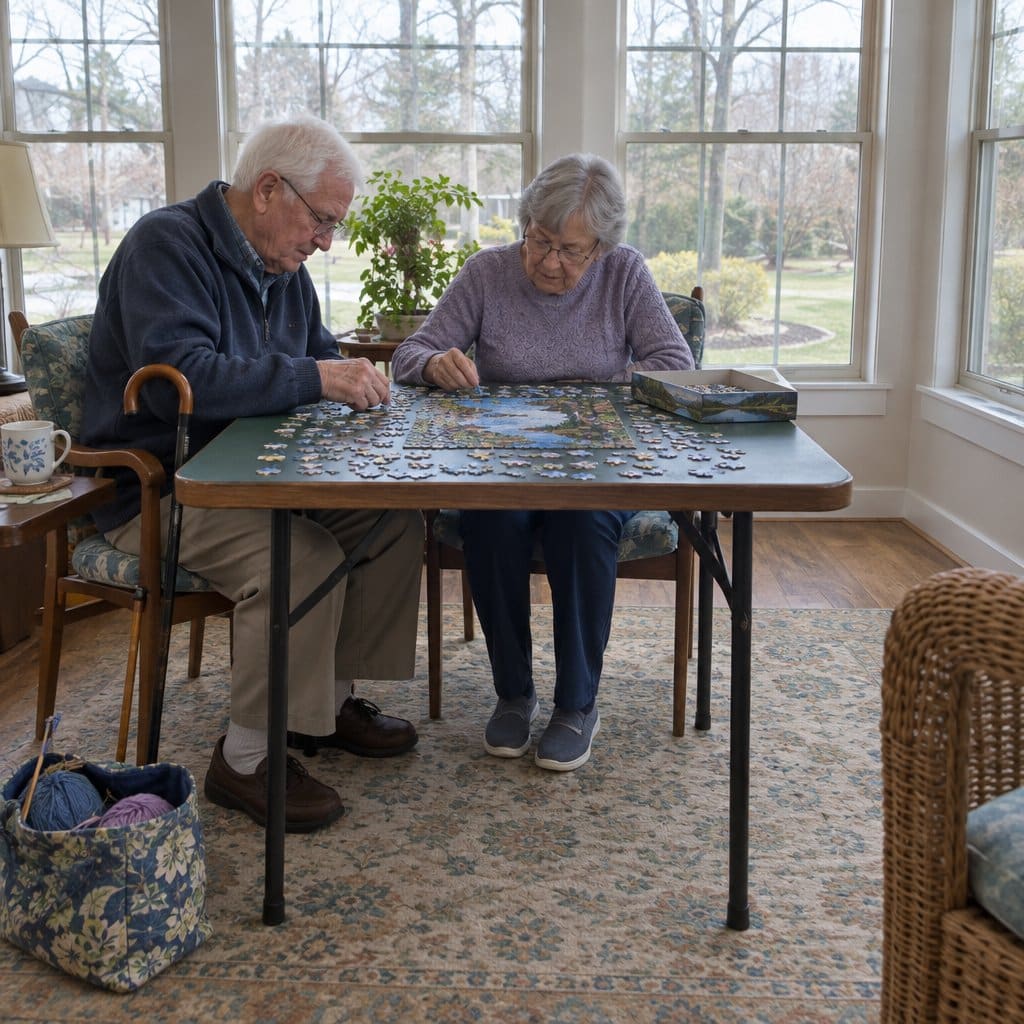
Dementia Puzzles
A puzzle gives someone with dementia something to do with their hands that has a clear start and a clear finish. There’s no score and no wrong answer. If a piece doesn’t fit, they try another one. It also gives a caregiver or visiting family member something to do alongside them, which is often easier than finding a topic to talk about.
Here’s what to look for. Pick large pieces, and fewer of them. Twenty is plenty, and a puzzle that’s too hard will frustrate the person you bought it for. Look for a picture they’ll recognize, like animals, flowers, or a farm. A full-size picture to match the pieces against helps too, because a tiny image on the box is hard to read. Know the downside. If your person used to love 1,000-piece puzzles, a simple one may feel like a children’s toy, and some people won’t want it. Offer it as something to do together and see how it goes. A few storage bags help keep the pieces from going missing.
Large Piece Puzzles For Seniors


This set has six animal puzzles, each with just 20 large pieces. Each puzzle comes with its own storage bag, so the pieces for one animal stay apart from the rest.
Every puzzle also has a full-size reference poster of the finished picture. That means no squinting at a small image on a box lid, which helps when someone wants to see what they are working toward.
Six themes in one set also means a caregiver or family member has more activities on hand and doesn’t have to restock as often.
The trade-off is that 20 pieces is meant to be simple. If the person you are buying for still enjoys a real challenge, these will feel too easy. The assembled size and exact piece size aren’t listed, so if you need a particular size for a particular pair of hands, check before you buy.
snspolt Large Piece Puzzles


Six puzzles of 25 pieces each fit between a thousand-piece project and something that looks like it came from a toy box. One can be finished in a single sitting, and the large pieces are meant for hands with less pinch strength.
The listing doesn’t give the piece size, the finished size, or what the pictures show, so check those before gifting. I go through it in my my large piece puzzle review.
Choose Gift Ideas That Make Life Easier
Overall, choosing a gift for people with dementia is difficult but not impossible.
In the early stages, you should choose gift ideas that entertain and engage the mind. In the later stages, a great gift idea might keep their hands busy and reduce anxiety.
Remember, the best gifts for dementia are both useful and engaging. Get creative.
If you can incorporate elements and important memories from their past, you should.
Many of these gifts can be personalized. For example, a sensory gift can be modified by including their favorite color or a scent from their childhood. Music and movie gifts can be personalized to include a list of their favorite artists or actors.
Soft blankets provide a sensory experience and can be purchased in their favorite color or a color that matches their existing furniture or clothing items. With things like dry-erase boards, you can easily include photos you pin to the corners of their family or friends, even a photo of themselves when they were younger.
For a family spread out across several towns, a digital message board for dementia lets everyone send photos and short notes from their phones to one simple screen. I demoed one, the Memoryboard, with caregivers in mind.
Do you have other gift ideas for dementia patients that you recommend? Tell us all about your favorites in the comments below!