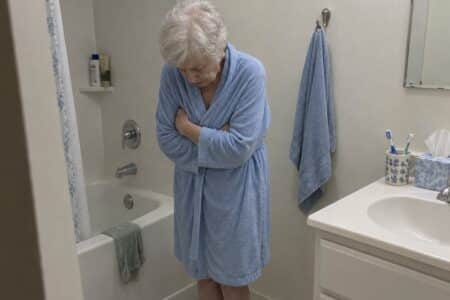
When a senior complains about being cold during a bath or shower, it’s rarely about being difficult. Temperature regulation changes significantly with age, and what feels comfortable to a caregiver can feel genuinely chilling to the person they’re helping.
This guide covers practical steps for keeping elderly individuals warm before, during, and after bathing — including products that make a real difference — along with a few notes on when persistent cold sensitivity warrants a call to their doctor.

Why Elderly People Feel Cold More Easily
Several physiological changes compound to make older adults more vulnerable to cold:
- Thinner subcutaneous fat. The fat layer under the skin acts as insulation. As it thins with age, the body loses that buffer against ambient temperature.
- Reduced circulation. Aging naturally slows peripheral circulation, and many common medications — beta blockers, diuretics, some blood pressure drugs — reduce blood flow to the extremities further. Hands and feet are almost always the first to go cold.
- Lower metabolic rate. The body generates less internal heat at rest as metabolism slows with age.
- Underlying conditions. Diabetes, hypothyroidism, anemia, and peripheral neuropathy can all amplify cold sensitivity. If the problem seems severe or worsening, it’s worth flagging to their physician.
Understanding the cause matters because it shifts the response from “just run warmer water” to a more layered approach that addresses the bathroom environment, the bathing process, and the post-bath transition.

Before the Bath: Warm the Room First
The bathroom itself is often the biggest problem. Cold tile, cool air, and metal fixtures can make even a warm shower feel like a shock. Get ahead of it.
- Run the shower or tub with the door closed for 3–5 minutes before they enter. Let the steam build. The goal is a warm, humid room, not a sauna — but the difference between a 65°F bathroom and a 75°F one matters enormously to someone with poor circulation.
- Use a bathroom space heater or heat lamp. If the bathroom has a built-in heat lamp, turn it on well before the bath. A small, bathroom-rated space heater works equally well. Look for ones with a timer so you’re not leaving them running unattended.
- Bump the thermostat. If you have control of the home’s heat, a short-term bump to 72–74°F during bath time is not excessive for someone who runs chronically cold.
- Stage everything within reach before they undress. Towels, soap, shampoo, a clean change of clothes, the bathrobe — have it all in the bathroom before the bath starts. Every time they have to wait, step out, or stand exposed while you retrieve something is an opportunity to get chilled.
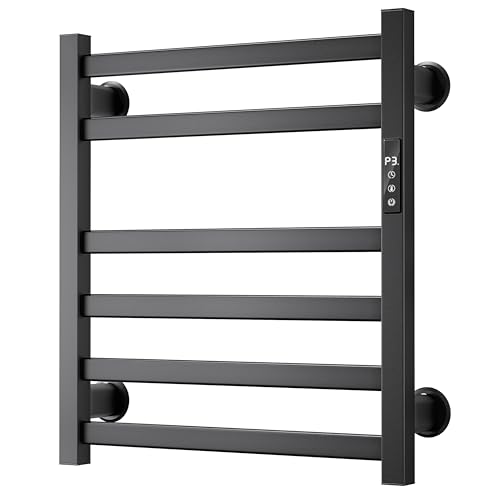
- Pre-warm the towels. This is a small thing that makes a disproportionately large difference. A towel warmer or even a quick tumble in a dryer for 5 minutes produces a noticeably different experience at the end of the bath.
Found this useful? We cover practical caregiving topics like this — without the fluff — in the Graying With Grace newsletter. Sign up here →
A dedicated towel warmer is worth the investment if bathing is a daily or near-daily event. Freestanding electric models run $50–$150 and hold multiple towels and a robe simultaneously. If the room itself is the problem, see our look at towel warmers and safe bathroom heating for what works before and after the bath.




During the Bath: Maintain Heat Throughout
The bath itself presents a few specific challenges — water cools over time, steam escapes, and seniors with cognitive impairment may not notice when conditions have shifted.
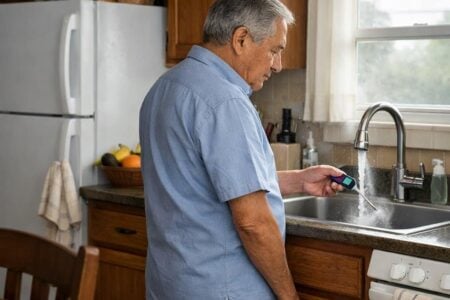
- Check the water temperature periodically. Water that starts at a comfortable temperature can drop noticeably over a 15–20 minute bath. A simple floating bath thermometer removes the guesswork. Target water temperature for elderly bathers is generally 98–100°F — warm enough to feel comfortable without the scalding risk that comes with reduced heat sensitivity.
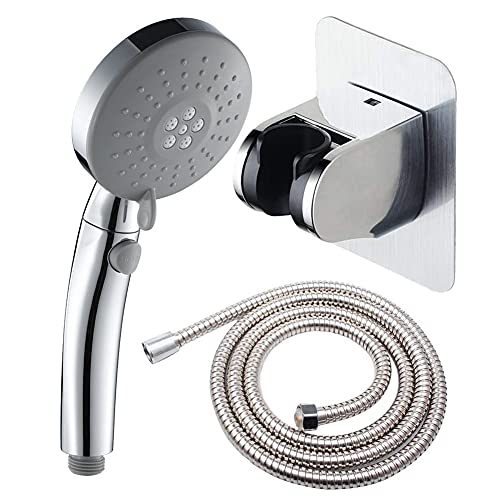
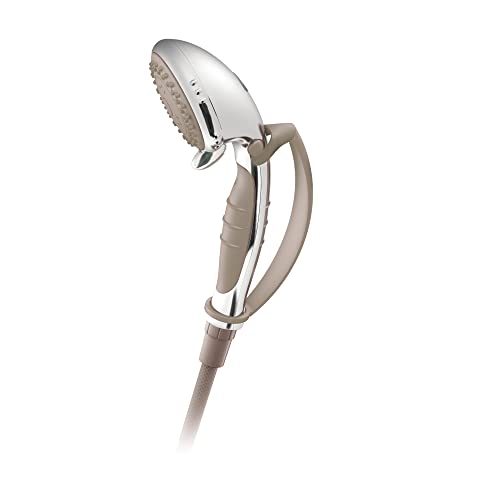
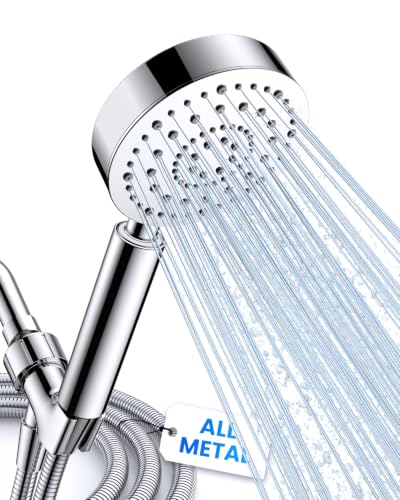
- Use a handheld showerhead. This is one of the most practical upgrades for elderly bathing. It lets the caregiver direct warm water over the senior continuously, reducing the amount of time any part of their body is cold and exposed. It also makes rinsing dramatically easier without requiring the person to rotate or stand.
- Keep the shower curtain or door closed. Obvious, but easily forgotten when you’re maneuvering around someone to help. Even a small gap lets steam escape and cold air in.
- Set a timer for cognitive impairment cases. Seniors who lose track of time may sit in water that’s gone lukewarm without realizing it. A simple kitchen timer or reminder on a phone removes the guesswork.
- Minimize door opening. If you need to step out briefly, keep it short and re-close the door immediately. Drafts cool a wet person fast.
A handheld showerhead is one of the higher-ROI upgrades in elderly bathroom care — it solves the cold exposure problem, makes rinsing easier, and reduces caregiver strain at the same time. Most install without tools in under ten minutes.



After the Bath: The Cold Exposure Window
The post-bath period is when most of the cold exposure happens. Stepping out of warm water into open air while wet is where older adults get chilled fastest — and where the right supplies make the biggest difference.
- Have a large, warm towel ready the moment they step out. Drape it over their shoulders immediately — don’t wait for them to reach for it. Coverage first, then drying. If you’ve pre-warmed it, even better.
- Dry hair promptly. A wet head loses heat rapidly. If they have longer hair, a microfiber hair wrap or turbaned towel keeps the heat in while you work on the rest of them.
- Use a terry bathrobe as an interim layer. If getting fully dressed takes more than a few minutes — which it often does with elderly individuals who have limited mobility — get them into a bathrobe first. A good-quality terry or waffle-knit robe covers them from neck to ankle while they’re being helped with dressing, grooming, or medical tasks.
- Dress them in the bathroom when possible. The bathroom is still the warmest room in the house right after a bath. Moving to a cooler bedroom to dress negates a lot of the work you’ve done keeping them warm. If space allows, do the dressing there.
- Prioritize hands and feet. Get socks on quickly. For elderly individuals with peripheral circulation issues, cold feet don’t just feel bad — they can take a long time to rewarm on their own. Non-slip socks are ideal since you’re going from a wet bathroom environment.


More guides like this — on bathing, safety, and senior comfort — go out to the Graying With Grace newsletter regularly. Join the list →
A well-chosen bathrobe pulls more duty here than most people expect. For elderly individuals who move slowly or need assistance dressing, the time between stepping out of the shower and being fully clothed can be 10–15 minutes. A robe rated for warmth rather than just absorption makes a real difference in that window.
Long-Term Habits That Help With Temperature Regulation
Beyond individual bath sessions, a few daily habits can improve an elderly person’s baseline circulation and cold tolerance over time. Regular low-impact exercise — even gentle walking, chair yoga, or tai chi — helps keep blood moving to the extremities. Tai chi in particular has good evidence behind it for older adults. Adequate hydration also plays a role — dehydration reduces blood volume, which reduces circulation.
These aren’t quick fixes, but they’re worth mentioning to family members looking at the bigger picture.

When to Call the Doctor
If a senior is complaining of cold more frequently despite consistent effort to keep them warm — especially if it’s a new development — that’s worth a conversation with their physician. Hypothyroidism, anemia, and certain medication side effects can all present as increased cold sensitivity and are straightforwardly treatable once identified.
Don’t dismiss persistent cold complaints as just “being old.” It’s often a signal worth investigating.
Related: Are Walk-In Tubs Good for Seniors? | Safe Tub Bathing for Seniors | 30+ Gifts to Keep Elderly People Warm
References
- Why does your body temperature change as you age? Cleveland Clinic. https://health.clevelandclinic.org/why-does-your-body-temperature-change-as-you-age/