

You’re standing in the kitchen, staring into the refrigerator, and you genuinely don’t know what to make. Your mom just got her dentures adjusted, or your dad is recovering from a procedure, and suddenly every meal feels like a problem to solve instead of a moment to enjoy.
I’ve worked alongside hundreds of families navigating this exact situation — and the frustration is real. Mealtimes are supposed to be nourishing and enjoyable, and when chewing or swallowing becomes difficult, it can feel like that’s being taken away.
Here’s what I want you to know right from the start: a soft food diet doesn’t mean bland, boring, or nutritionally empty meals. There are delicious, satisfying, high-protein options that are easy to prepare and genuinely pleasant to eat.
This guide will walk you through exactly what to feed an elderly person with chewing or swallowing difficulties, how to build a practical soft food diet plan, and the tools that make it all more manageable.
Understanding Who Needs Soft Foods — and Why It Matters
More Older Adults Need Soft Foods Than You Might Realize
Soft food diets serve a wide range of needs. Some of the most common reasons older adults transition to softer textures include tooth loss, new or ill-fitting dentures, recovery from dental surgery, stroke recovery, or age-related changes to chewing strength and coordination.
There’s also an important distinction worth understanding: a soft diet is not the same as a fully pureed diet. Soft foods retain shape and texture but are tender enough to break apart without hard chewing. Pureed foods are fully blended to a smooth consistency. The right approach depends entirely on the individual’s specific needs.
Nutrition Becomes More Critical — Not Less — When Food Options Change
When the range of foods someone can comfortably eat narrows, the risk of weight loss and malnutrition increases. Protein, calories, and hydration all need deliberate attention. That’s not something to be alarmed about — it’s simply something to be thoughtful about.
Adapting meals to an older adult’s needs isn’t a compromise. It’s attentive, respectful caregiving — and with the right approach, their plate can still be something to look forward to.
The Best Soft Foods for Elderly Adults — A Practical Starting List
Proteins: The Most Important Category to Get Right
High protein soft foods for elderly adults are the foundation of a well-nourished soft diet. These options are gentle on the mouth and easy to prepare:
- Scrambled eggs — One of the most versatile and nutritious soft foods available
- Soft-cooked fish — Salmon, tilapia, and cod flake apart with minimal effort
- Ground meat in sauce — Ground chicken or turkey simmered in gravy or tomato sauce stays moist and tender
- Cottage cheese — High in protein, cool, and easy to eat without any preparation
- Greek yogurt — A calorie-dense, protein-rich option that works as a snack or meal component
- Hummus — Smooth, nutrient-rich, and pairs well with soft bread or cooked vegetables
- Soft tofu — Blends into smoothies, soups, or can be served on its own with sauce
- Well-cooked lentils and beans — Mashed or left whole in soups, they’re filling and nutritious
Grains and Starches: Comfort Foods That Deliver
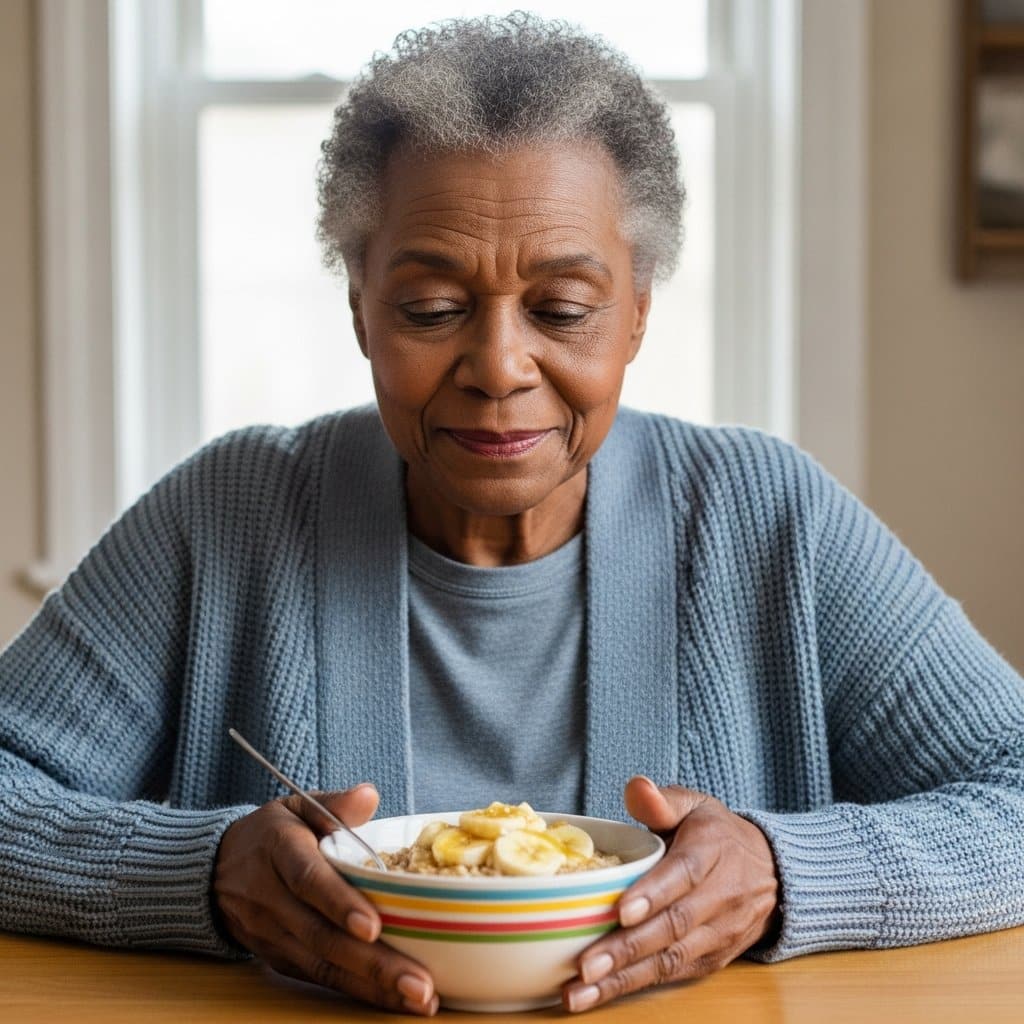
- Oatmeal — Warming, customizable, and easy to enrich with nut butter or honey
- Cream of wheat — Smooth and mild, with room to add butter or cinnamon
- Soft-cooked pasta — Cooked just past al dente and served with a moist sauce
- Mashed potatoes — A dependable classic; add olive oil or butter to boost calories
- Polenta — Creamy and adaptable, pairs well with soft proteins
- Bread soaked in broth or sauce — Turns even crusty bread into something easy to manage
Fruits and Vegetables: More Options Than You’d Expect
- Mashed banana or avocado — Both are naturally soft and calorie-rich
- Canned peaches or pears — In juice or light syrup, these require no preparation and are easy to eat
- Steamed and mashed vegetables — Carrots, sweet potatoes, squash, and peas all soften beautifully
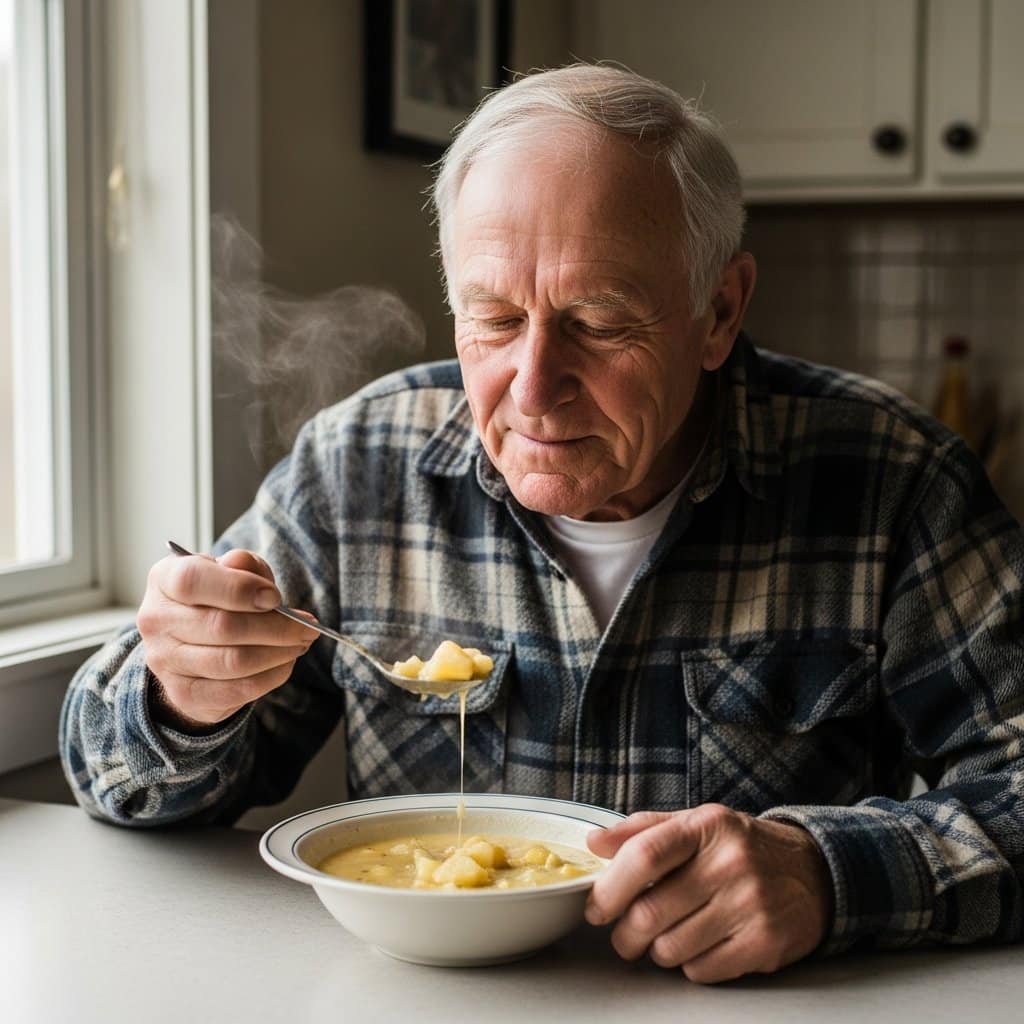
- Pureed soups — A warm, satisfying way to pack in multiple food groups
Dairy and Beverages: Easy Wins for Calories and Hydration
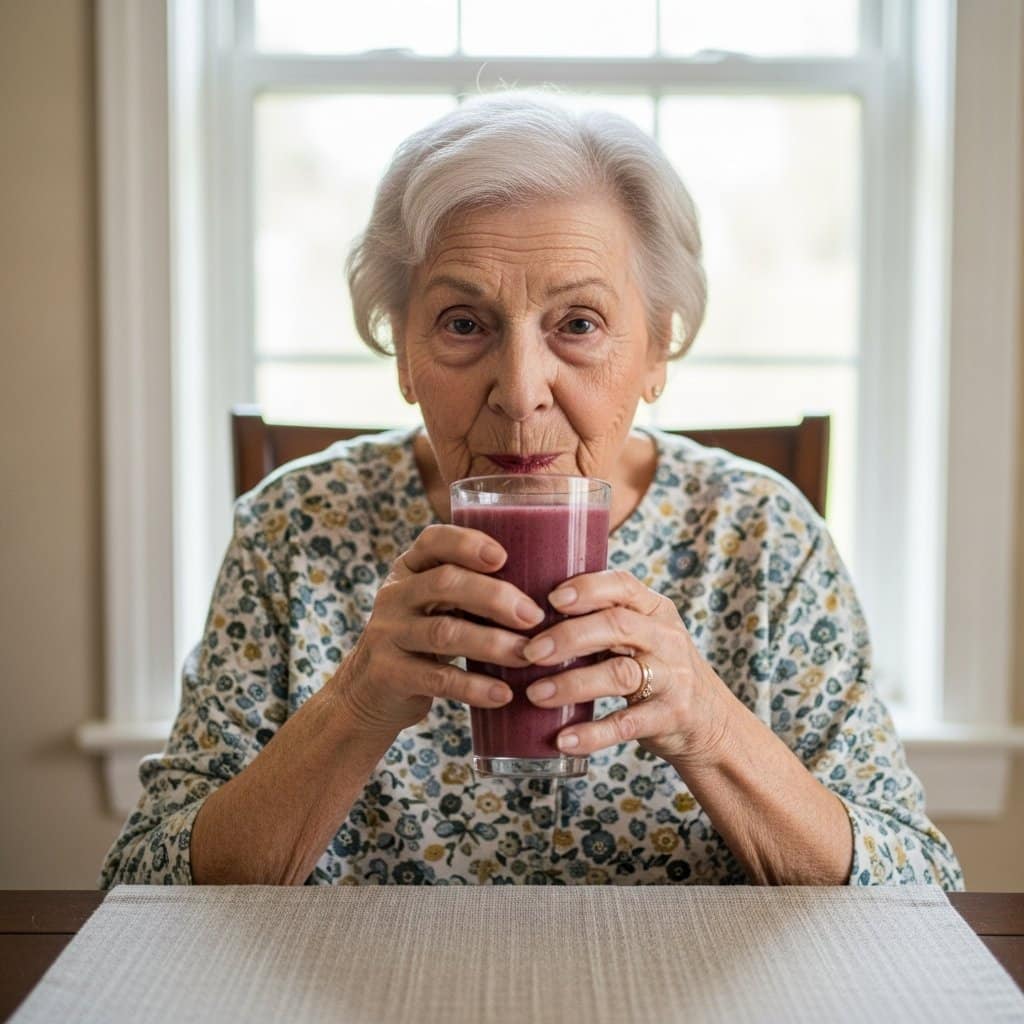
- Smoothies — Add protein powder, full-fat yogurt, banana, or nut butter to increase nutrition
- Pudding and custard — Comforting and easy to eat; can be enriched with cream or fortified milk
- Soft cheeses — Brie, ricotta, and cream cheese require little to no chewing
- Warm milk-based drinks — Hot cocoa, golden milk, or warm oat milk contribute both calories and hydration
A Note on Calories — Because They Matter
For elderly adults at risk of unintentional weight loss, soft foods that are high in calories are just as important as those that are high in protein. Avocado, nut butters stirred into oatmeal, full-fat dairy, olive oil drizzled over vegetables, and fortified smoothies are all easy ways to increase caloric density without increasing the volume someone needs to eat.
Foods to Avoid on a Soft Diet
Steer clear of dry crackers, raw vegetables, tough or chewy meats, sticky foods like peanut butter on its own, and anything hard or crumbly that could cause discomfort or a choking risk.
What a Day of Soft Food Eating Can Actually Look Like
Breakfast could be warm oatmeal with mashed banana and a drizzle of honey. Lunch might be a creamy potato soup with soft-cooked salmon on the side. Dinner could be ground turkey in marinara over well-cooked pasta, followed by vanilla pudding. That’s real food — not a medical diet.
If cooking every meal feels like too much, a few of these ideas can arrive at the door through food subscription services for seniors, which I put together to help you choose.
The Right Kitchen Tool Changes Everything
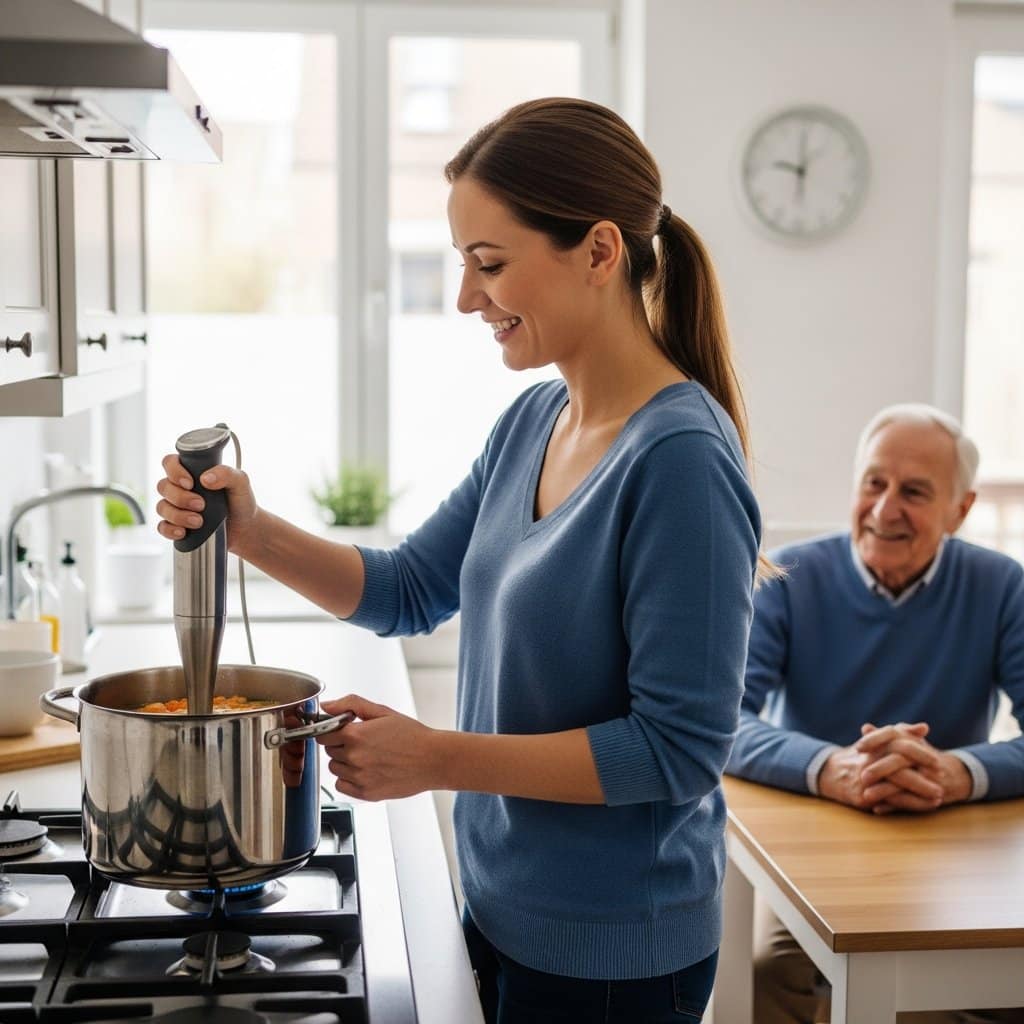
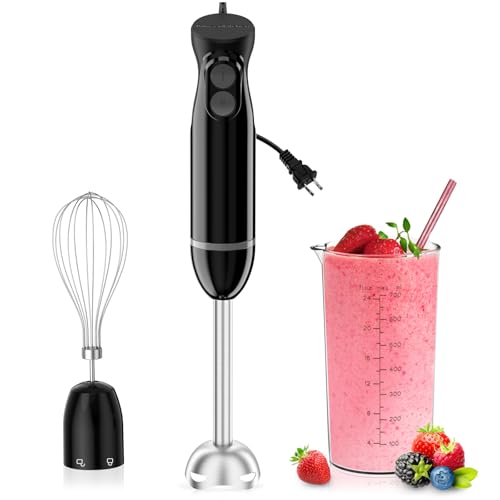
When preparing soft foods at home, having the right equipment makes all the difference. An immersion blender is one of the most useful tools in any caregiver’s kitchen — it transforms soups, vegetables, and cooked proteins into smooth, nourishing meals in minutes without dirtying a full blender.


Soft Foods After Dental Surgery, Stroke, and Other Specific Situations
Soft Foods After Dental Surgery
In the first few days after dental surgery, cool or room-temperature foods are usually more comfortable than hot ones. Focus on options that don’t require any chewing near the surgery site and avoid anything that creates suction.
Good choices include eggs, yogurt, smoothies, soft fruits like mashed banana, and cottage cheese. As healing progresses, cooked pasta, mashed potatoes, and soft fish can be reintroduced gradually.
Soft Foods for Seniors with Dentures
Dentures change the way food feels in the mouth, and some foods are more likely to dislodge or stick than others. Look for foods that don’t require hard biting and won’t adhere to denture surfaces.
Pasta dishes, flaky fish, egg-based meals, and cooked vegetables are reliable staples. Avoid anything tough, sticky, or requiring significant jaw pressure.
Soft Diet Foods for Stroke Patients
Stroke recovery may call for a more carefully considered texture approach. Some individuals need minced and moist foods rather than soft foods, while others may need fully pureed textures. If swallowing has been affected, consulting with a speech-language therapist is a wise step — they can assess exactly what texture level is safe for your loved one.
Easy to Swallow Foods for Seniors with Dysphagia
For seniors with swallowing difficulties, texture consistency matters enormously. Pureed foods with smooth, uniform texture reduce the risk of aspiration. Food thickeners can be added to beverages and thin soups to make them safer and more manageable.
Food thickener powder can be stirred into water, juice, broth, or milk to reach the right consistency for safe swallowing — a simple addition that makes a meaningful difference at every mealtime.


Ready to discover more practical strategies for nourishing and supporting the older adults you love? Subscribe to our newsletter for expert-tested tips and product recommendations designed specifically for caregivers and older adults.
Simple Soft Food Recipes and Meal Prep Strategies for Caregivers
Batch Cooking Saves Time and Reduces Stress
You don’t need to be an experienced cook to prepare nourishing soft food meals — you need a few reliable strategies. Batch cooking is the most effective one I’ve seen busy caregivers use successfully.
Prepare large quantities of soft staples on one or two days each week — mashed sweet potatoes, a big pot of lentil soup, a tray of baked egg dishes — then refrigerate or freeze in individual portions. Mealtimes become assembly instead of full cooking sessions.
Simple Frameworks That Work in Any Kitchen
- Smoothies — Blend protein powder, full-fat yogurt, soft fruit, and nut butter for a complete meal in a glass
- Slow-cooker soups — Add vegetables, legumes, and ground meat in the morning and blend smooth by dinner
- Egg-based dishes — Scrambled eggs, frittatas, and soft quiches are fast, protein-rich, and endlessly variable
- Soft casseroles — Ground meat, cooked pasta, and a creamy sauce baked together create a complete, easy-to-eat meal
Boosting Nutrition in Small Portions
Many older adults experience reduced appetite, which means every bite needs to count. Add olive oil, avocado, nut butter, full-fat dairy, or protein powder to increase calories and nutrients without increasing the volume of food on the plate.
Presentation Matters More Than You Might Think
Soft foods can still be plated thoughtfully. A colorful bowl, a garnish of fresh herbs, or a meal served on a favorite dish preserves the ritual of mealtimes and keeps them feeling special rather than clinical.
For caregivers looking to make soft food meals feel more recognizable and appetizing, pureed food molds can shape blended meals into familiar food forms — a small detail that genuinely preserves dignity and can improve appetite and willingness to eat.


You can also explore our guide to making pureed food for the elderly for over 25 recipes that go well beyond basic blending.
Making Mealtimes Easier and More Comfortable for Older Adults





Positioning and Pace Make a Real Difference
Sitting fully upright during meals — not reclined or slouched — significantly reduces swallowing difficulty and makes eating more comfortable. Take mealtimes slowly, without rushing, and encourage small bites and thorough chewing at whatever level is comfortable.
Smaller, More Frequent Meals Work Better for Many Seniors
Three large meals can feel overwhelming, especially for older adults managing fatigue or reduced appetite. Five or six smaller meals spaced through the day are often easier to manage and help maintain calorie intake without forcing large portions.
Don’t Overlook Hydration
Hydration is frequently neglected on soft diets, particularly when thin liquids feel difficult to manage. Soups, smoothies, thickened beverages, and yogurt all contribute to fluid intake. If your loved one uses lightweight, easy-grip mugs, drinking becomes less effortful and more likely to happen consistently.
The Social and Emotional Dimensions of Eating
Mealtimes are about far more than fuel. Sitting together, serving attractive food, and eating without rush preserves dignity and enjoyment — both of which matter deeply for overall wellbeing. A soft food diet changes what’s on the plate; it doesn’t have to change the experience around the table.
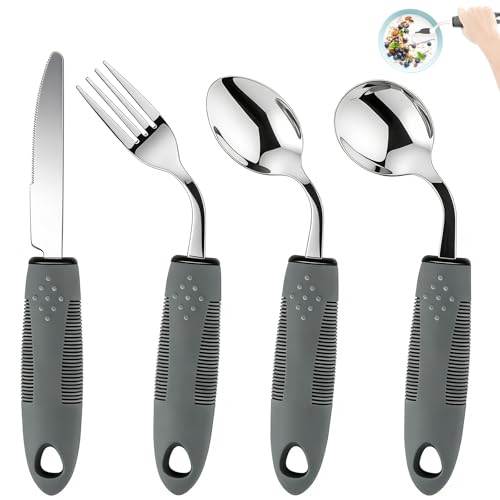
If self-feeding has become challenging due to hand weakness or limited coordination, adaptive utensils — including weighted silverware, angled spoons, and easy-grip handles — can restore independence and confidence at mealtimes.


For a broader look at helpful dining tools, the best plates for elderly adults can also make self-feeding easier and less messy, which supports both dignity and independence.
When to Involve a Professional
Most older adults adapting to soft foods do not need medically managed diets. But if you notice consistent coughing during meals, food or liquid coming back up, significant unexplained weight loss, or repeated chest discomfort after eating, those are signs worth discussing with a physician or speech-language pathologist.
You Can Absolutely Handle This
Soft food eating doesn’t mean sacrificing nutrition, flavor, or the joy of sitting down to a meal together. With the right food list, a few simple preparation strategies, and a handful of helpful tools, you and your loved one can navigate this transition with genuine confidence.
Whether you’re figuring out what to cook for an elderly parent who can’t chew, managing recovery from dental surgery, or planning a long-term soft diet, you have far more options than you might have realized when you first started searching. And every effort you make to keep mealtimes nourishing and dignified matters more than you know.
Start with one or two ideas from this guide this week — maybe a batch of oatmeal with added protein, or a slow-cooker soup you can freeze in portions. Then come back and share in the comments what’s worked well for your family. The collective wisdom of caregivers navigating this together is one of the most valuable resources there is — and your experience might be exactly what another family needs to hear.
For more meal ideas, visit our complete guide to soft food ideas for elderly adults and our roundup of easy to swallow foods for seniors — both are packed with practical options you can use right away.
![Keep older woman plating tempeh grain bowl kitchen counter[1]](https://www.grayingwithgrace.com/wp-content/uploads/2026/05/KEEP-older_woman_plating_tempeh_grain_bowl_kitchen_counter1-e1779362353354-450x300.jpg)
![Keep older woman hands wrapped around coffee mug armchair[1]](https://www.grayingwithgrace.com/wp-content/uploads/2026/05/KEEP-older_woman_hands_wrapped_around_coffee_mug_armchair1-e1779362196840-450x300.jpg)






Great tips! Thank you. My Dad is 96 and recently went to full dentures. It’s been rough road with him losing over 20 pounds and not needing to lose weight.
Judy
I am diabetic and have no teeth. I find it hard to choose food at the market that I can chew. I want to eat healthy but it seems hard to do.
I lost my teeth six or so years ago. I have two appliances that make life so much easier. 1. Vitamix. The Vitamix is indispensable for great drinks which are usually smoothies. All kinds of smoothies. I can tell you where all the Smoothie King stores are too. Something nice to have when I don’t feel like preparing something myself. I eat most of the same foods that I have eaten all my life. I do this with a food processor. I’d be in big trouble without my food processor. In addition to no teeth, I have a lot of diet restrictions too. So here are the things I eat mostly, all pureed. Chicken breasts, salmon, lots of vegetables, soft crackers that will easily dissolve in my mouth. A favorite is graham crackers dipped in milk. Grams are a snack lifesaver. I grind any soup I like to poor over my ground meats. Even pizza grinds and tastes good once in a while. Onions and garlic do not grind well for me so I use the powdered forms. Just let your imagination go and you will be fine.
Please tell me how you get those hard foods into liquid? My 86 year old mother just went into hospice and needs this! Thanks!
Thank you for this information.very helpful
Thank you for this article! Please check again on the “no cholesterol” item. My understanding is that the latest research shows something like we need to eat cholesterol, and it is the triglycerides we need to avoid. This text box is a little slow to respond to my edits. I am impressed with the broad scope of this article, and the large print. This is my first time at this website and I shall return to it.