If you have leg, hip, or back pain, weakened muscles, or balance issues, or you are recovering from knee or back surgery, standing up from a standard toilet can be hard.
A low toilet can be a real safety risk for you. There are plenty of fixes, from installing a taller toilet to adding an elevated or raised toilet seat, and any of them can make a big difference.
If a raised seat is on your mind, I cover whether raised toilet seats are safe when used properly. I also walk you through how to measure for one, so you get the right fit.
Below are the solutions for a toilet seat that sits too low, so you can stay safe and independent in the bathroom.
Ways To Increase Toilet Seat Height
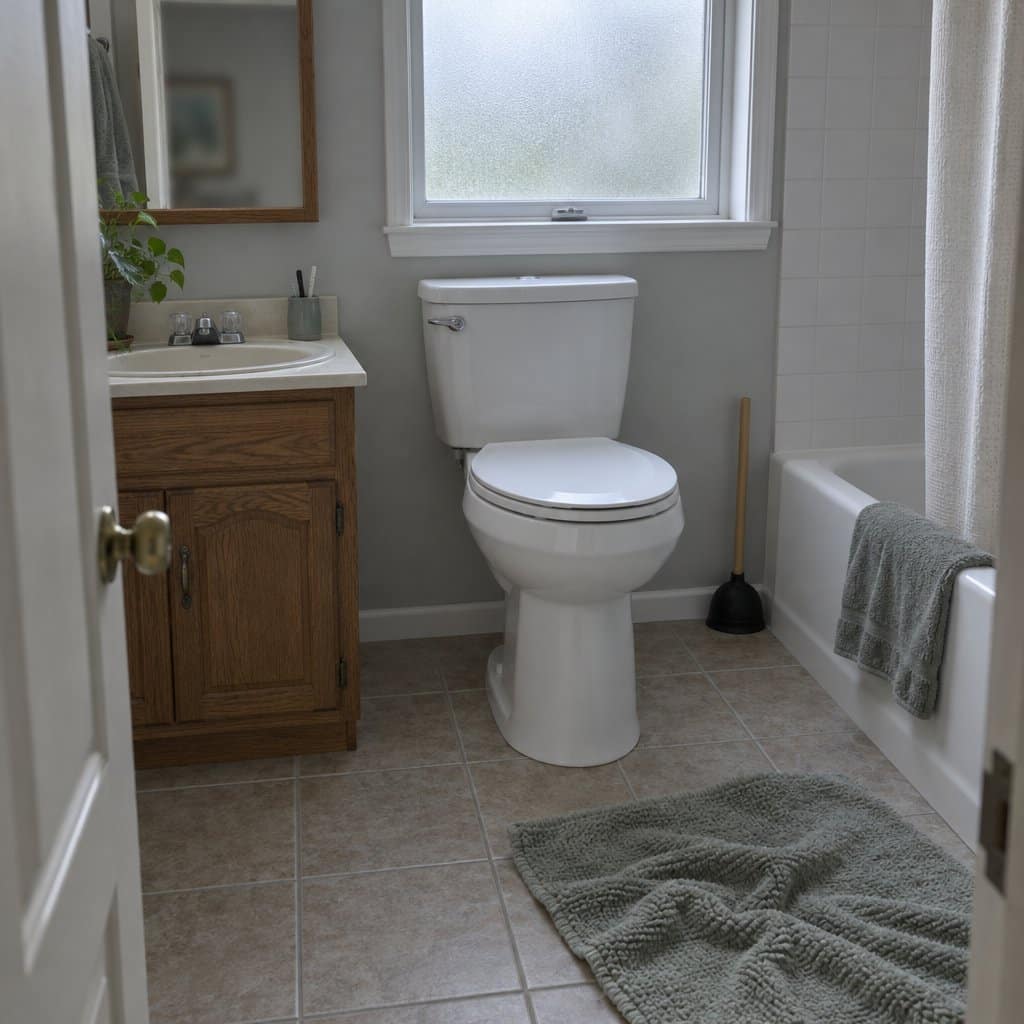
Comfort Height/Tall Toilet
A tall toilet can be a straightforward fix to the problem of a low toilet. A tall toilet is normally higher than a regular toilet by up to 4 or 5 inches.
These toilets, designed to be a seamless solution to the problem, come with spacers on the underside, which raise the seat to the desired height.
However, it is worth noting that installing a tall toilet is costlier than other solutions listed below – the main reason is that it entails replacing the existing toilet entirely. As such, a tall toilet is mainly recommended for long-term use.
Another closely related alternative to a tall toilet is a wall-mounted toilet. Since these toilets mount directly to the wall, they can be raised much higher – where necessary.

Elevated Toilet Seat (Toilet Seat Riser)
If the above solution is out of your reach budget-wise, or you are simply looking for a temporary solution, consider getting an elevated toilet seat.
As the name suggests, a toilet seat riser installs in place of a regular toilet seat making an elderly person’s toilet seat higher – some can be placed right over the existing toilet seat.
These gadgets can raise the height of the toilet seat by anywhere between 4 and 6 inches. In addition to increasing the height of your toilet, a toilet seat riser also acts as a toilet seat.
When shopping for a toilet seat riser, take the time to find one that matches the shape of your existing toilet bowl (oval or circular).
These gadgets are attached to the toilet bowl using different methods, including bolts that fasten to the back of the seat, a clamping mechanism that attaches to the toilet bowl, or a lip that nestles inside the toilet bowl.
Each attachment method features varying levels of stability and safety.
Some toilet seat risers come with handlebars designed to provide additional support.
RELATED: What Is The Best Toilet Seat Height For The Elderly?

Toilet Riser
Another excellent option for enhancing the height of a low toilet is a toilet riser. Unlike the above-described toilet seat risers, a toilet riser rises the entire toilet.
Available in various heights, these attachments fit underneath the toilet seat at the point of installation.
In addition to being affordable, toilet risers are stable when installed correctly. These attachments are also available in various shapes and colors, making them inconspicuous once installed. However, the installation of toilet risers may require some basic plumbing skills.
Toilet Frame (Commode)
Toilet frames typically come with adjustable height legs that extend downwards. These gadgets can raise a low toilet seat to between 18 and 23 inches. You can also place a commode/toilet frame over your existing toilet to increase the seat height.
Most commodes usually come with a hard plastic liner between the toilet bowl and the commode. This liner keeps all toilet bowl contents from splashing out the sides.
To make it easier for wheelchair users to slide from their chair onto the toilet and back, some models come with drop-away armrests. Others also come with a padded seat for added comfort and to prevent irritation of sensitive skin.
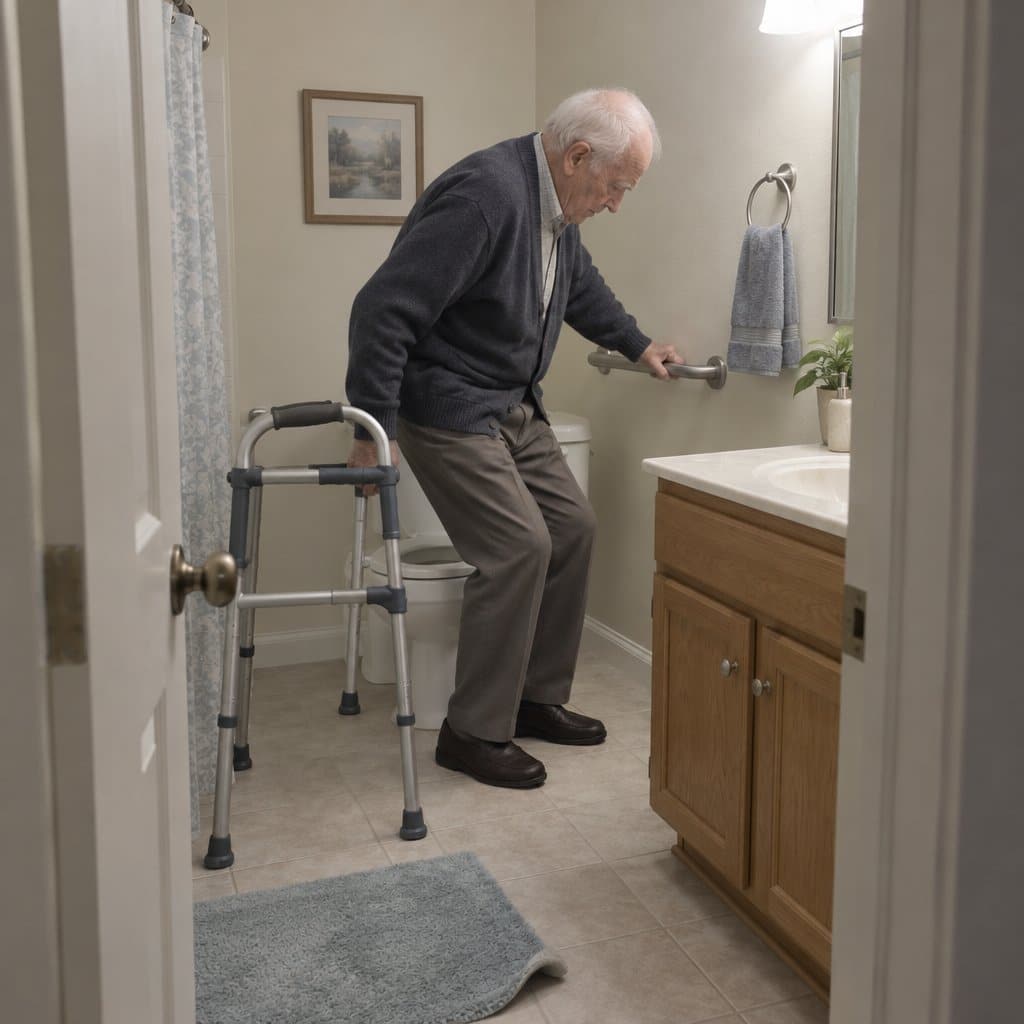
Mechanical Toilet Seat Lift
A mechanical toilet seat lift is another excellent option for enhancing your toilet’s height. These toilet attachments help users stand up from the toilet by providing a gentle push from behind.
Some models use a pneumatic or spring-loaded lifting mechanism to provide additional support as you stand up from the toilet. Others use a battery or electrical powered lifting mechanism to get you to a standing position.
In practice, some electric models can lift up to a height of 26 inches.
Are Raised Toilet Seats Safe?
Yes, when it’s the right seat and it’s put on properly. A raised seat shortens how far you lower yourself and how far you push back up, and that up-and-down movement is where many bathroom falls happen. The bathroom is one of the most common places for a fall at home, so taking the strain out of that one movement matters.
Whether a raised seat is safe comes down to four things:
- It’s attached firmly. A seat that replaces the toilet’s own seat and bolts on is steadier than one that clamps on top of the existing seat. If it shifts or rocks when you sit down, it isn’t safe yet.
- There’s something to push up from. Arms on the seat itself, or grab bars on the wall beside the toilet, give you a handhold for standing. A seat on its own raises you; it doesn’t steady you.
- It’s the right height. Seated, your thighs should be about level with the floor and your feet flat. Too high is a problem too, because feet that don’t reach the floor make for a wobbly seat. The next section shows how to measure.
- It’s kept clean and checked. Wipe it down with a disinfectant wipe like any toilet seat, and check now and then that the clamps or bolts are still tight.
A raised seat helps the person helping, too. If you help a parent on and off the toilet, a shorter drop means less lifting and bending for you, which protects your back as well as theirs.
It works best alongside a couple of other inexpensive changes, like non-slip bath mats and toilet safety rails. If cost is a worry, here’s what Medicare does and doesn’t pay for when it comes to raised toilet seats.

How to Measure for a Raised Toilet Seat
Before you buy a raised seat, take a few minutes to measure. Each person’s needs are different, and a seat that does not fit may not be returnable, for reasons you can probably guess.
Start with the height. Depending on the model, a raised seat adds between 2 and 6 inches. The right amount depends on how strong you are, how tall you are, and how well you keep your balance.
To find your number, take three steps:
- Measure from your knee to the floor.
- Measure the height of your toilet seat from the floor up.
- Subtract the toilet’s height from your knee measurement. The difference is the height of the raised seat to buy.
If you want to see how that number compares with what is normal, my article on the best toilet seat height for an older adult goes into it.
Next, look at your bowl. Round seats are the standard shape found in most homes. Elongated bowls have a clear oval shape. Know which one you have before you order.
Then check the weight limit. The seat has to hold the person using it, so read the packaging or ask the manufacturer how much it supports.
After that, think about the extras:
- Padding: adds comfort, and helps people with arthritis or pressure sores.
- Handles: arms attached to the seat help with sitting down and standing up. Some adjust in width for a wider frame.
- Portability: a seat that is easy to remove can go with you to other places. One that fits both round and elongated toilets is more flexible.
- Cleaning: a seat that installs and removes easily is easier to clean, which saves caregivers time.
The trade-off is that every extra is one more thing to weigh against your needs, so pick the ones that match your situation. If you want to compare specific models, see my guide to the best raised toilet seats for seniors.
Conclusion
Thankfully, there are many options for fixing a toilet that is too low. It is important to consider longevity, price, and ease of installation.