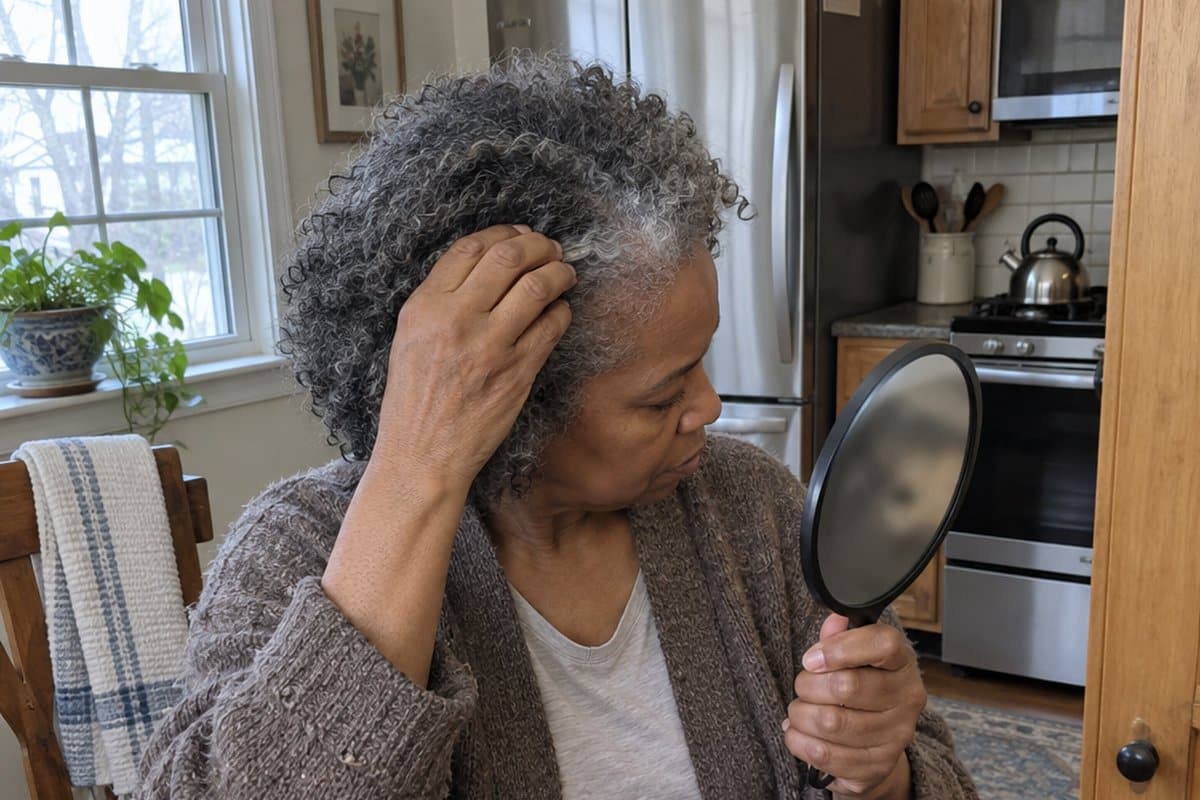
Gray hair is one of the first things many of us want a gentler fix for. Before reaching for a box of dye, it’s natural to wonder whether something from the kitchen could help: a vinegar rinse, onion juice, or even the coffee left in the pot.
This guide walks through all three natural remedies for gray hair. A vinegar rinse can brighten gray and silver hair and cut down on yellowing, onion juice is often said to help with graying, and coffee can add a temporary brown tint.
For each one you’ll find how to use it, what to realistically expect, and the downsides, so you can decide which, if any, is worth a try.
Incorporating vinegar into your hair care routine can help remove brassiness, balance your hair’s pH, and reduce build-up and dandruff. It appears to be safe to use as long as you have no allergies to vinegars or sulfites, no sensitivity to acidic substances on your head, or have naturally dry hair.
No Shades of Gray: Vinegar for Gray Hair Explained
If you’ve been experimenting with natural products in your beauty routines, you’ve probably tried a variety of hair products. It doesn’t matter if it’s avocado, mayonnaise, or eggs. Well, we bring you yet another natural guru: Vinegar.
Because of its sour taste and fragrance, you may not have thought of pouring this item all over your head! However, you should not be put off by this. Using vinegar on your hair will make your hair grow longer, stronger, and healthier, as well as help you avoid dandruff and split ends! Apple cider vinegar can also help reduce fungal and bacterial growth on the scalp and hair, all of which improve hair health.
If you have gray hair, it’s particularly worth incorporating vinegar into your hair care routine to help maintain your silver strands lustrous and silky. Vinegar is considered one of the simplest and most effective ways to restore melanin pigment to hair and achieve a smooth, shiny, and thick texture.
Yes, it does. Vinegar for hair works is because it regulates the pH of your hair and scalp. By lowering the PH of your scalp, vinegar also helps to close the cuticle of your hair shafts, reversing the effect of open cuticles: rough and frizzy hair.

Why Use Apple Cider Vinegar on Gray Hair?
Here are 4 key benefits of of using a vinegar hair rinse on gray hair.
Benefit #1: It Helps Refine Hair Color
Vinegar can help lighten and improve hair color when applied to gray hair. Gray hair normally looks brassy because of its light tint, which shows stains and poor hair health easily. With vinegar rinses, however, many have found that they can eliminate the dull, yellowed tint that comes with gray hair.
If the yellow or brassy tint is what bothers you most, a color depositing shampoo for gray hair is another gentle option worth a look.
The result? – great hair color, removal of excess oil and debris, as well as shut hair cuticles. It also helps refine hair color by reducing the effect of environmental damage, such as UV discoloration.
Benefit #2: Deep Cleansing and Rebalancing the pH
If you’re using color-correcting products or severe conditioning treatments, it’s critical to wash and rebalance the pH of your hair. Vinegar, which is a natural acidic formula, can aid with this. It’s a great cleanser, so it’s ideal to use in between washes, just as a rinse or even lighten gray hair, which can be difficult to manage.
Benefit #3: A Natural Remedy For Hair Loss
Apple cider vinegar is effective at removing any buildup in the hair. From shampoos and conditioners for gray hair to styling products to dead skin, dirt, and sebum, removing build-up opens up space for hair growth.
If hair thinning is your bigger worry, I also looked at biotin gummies with DHT-blocking botanicals for people whose basic biotin hasn’t done much.
Though this is not scientifically proven, aesthetically speaking, when all of these toxins have been removed, apple cider vinegar can make your hair appear aesthetically fuller, which has led to it being billed as the next great hair loss remedy.
Benefit #4: It Helps with Scalp Issues Like Dandruff
Vinegar is antibacterial and acidic, making it an excellent addition to any hair care regimen. As the acidic components of apple cider vinegar operate, the antimicrobial advantages help reduce the number of germs and yeast on the scalp and hair, potentially leading to fewer scalp concerns and shinier, frizz-free hair according to Healthline.com.
What to Expect From Natural Remedies for Gray Hair
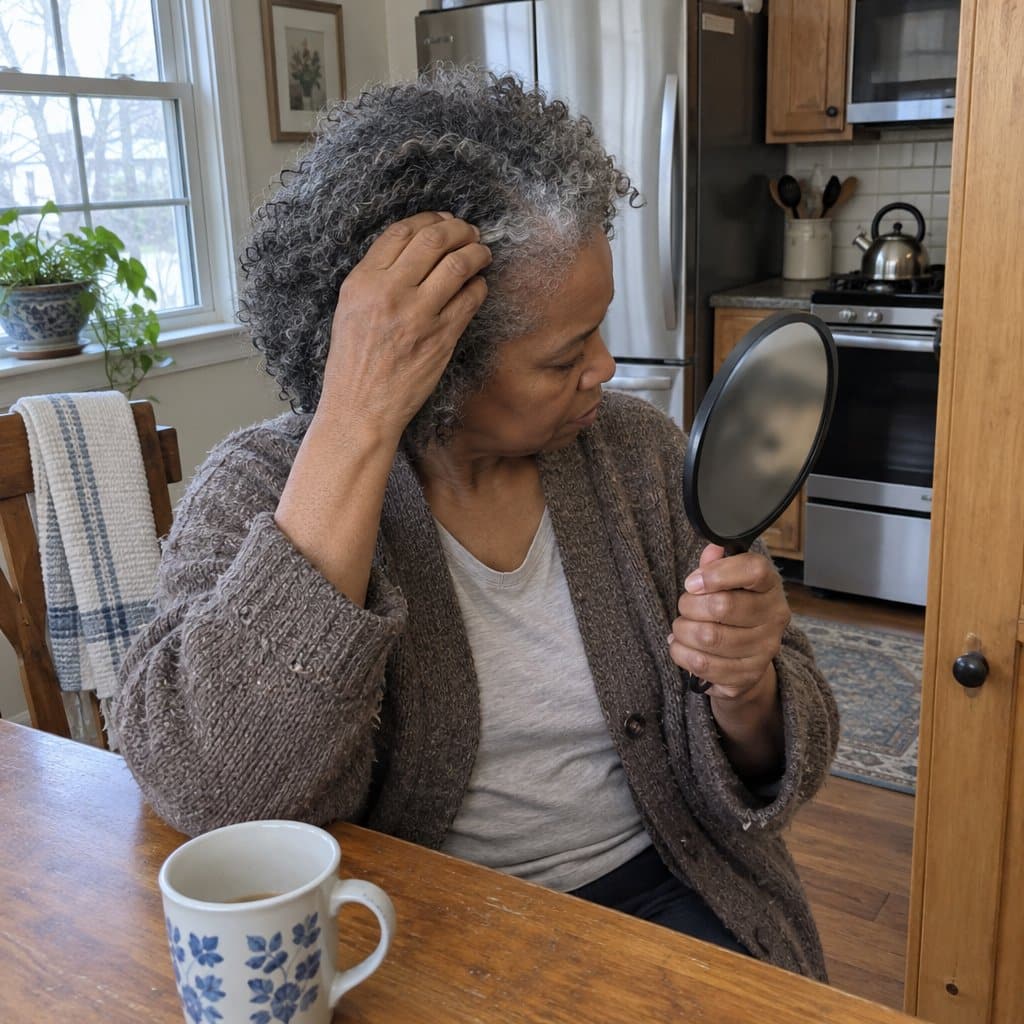
Before you pour anything on your head, a word on expectations. Natural remedies for gray hair get a lot of praise online, but I could not find research or demonstrations showing that this sort of thing works for most people. Many of the sites saying a remedy definitely works are promoting the product, and even they list exceptions.
Some people who tried a home remedy for gray hair say flatly that it did not work for them. That is worth knowing before you spend an afternoon on it.
Where natural remedies do seem to help, the change is mild. Think a shade or two, not a new hair color. Don’t expect the dramatic result you would get from a store-bought dye, especially if your hair is very dark.
The effect is also temporary. You would need to repeat the treatment every few weeks to keep up whatever change you see.
Your starting color matters too. A remedy tends to work best when your natural hair color is fairly close to the color of the remedy and only a small amount of gray is coming in. Outside that range, you are probably wasting your time.
Vinegar is a different case from a dye, since its job is shine and cleaning rather than covering gray. Whatever you try, healthy gray hair starts with good basics, so take a look at my list of the best shampoos and conditioners for gray hair. The trade-off is simple: a natural remedy asks little of you, but it also promises little, so keep your hopes modest.
Are There Any Risks or Drawbacks of Using Vinegar Hair Rinse for Gray Hair?
Before using any new product on your body, you should also understand any risks associated with its use. Here are some potential risks of using vinegar on your hair:
Risk 1: Allergic Reaction
Even though vinegar is not one of the eight primary allergens responsible for the majority of allergic reactions, your body can become allergic to anything. If you’ve ever had an adverse response to vinegar-containing foods, don’t use it on your hair.
Risk 2: Scalp Irritation
Though this may not be a problem if your skin is healthy and intact, the acid in the vinegar will cause agony if you have acne or any wounds or scratches on your head.
Risk 3: Hair Damage
Vinegar is a drying agent. If your hair is naturally dry, has been colored, or is brittle, vinegar will dry it out and increase the likelihood of breaking. A vinegar rinse could also damage thin, fine hair. As such, if you must use it, use enough water to dilute the solution and rinse it out as soon as you can.
Risk 4: Sulfite Reactions
Sulfites are chemical compounds found naturally in vinegar and other sour foods. They’re also used by food manufacturers to lengthen the shelf life of their products. If you have asthma and are using a steroid-based medicine, are over 50 years of age, or if you have a high level of respiratory sensitivity, the sulfites in vinegar may cause an allergic reaction.
Onion Juice for Gray Hair: What It Is and How to Use It
Onion juice is another home remedy people try to slow graying. The idea is that the sulfur in onions helps the hair follicles make melanin, the pigment that gives hair its color. Onions also contain quercetin, which is said to protect against a buildup of hydrogen peroxide in the hair.
If you’d rather start from the inside, I put together a list of the vitamins and nutrients linked to slowing gray hair, along with the everyday foods that support healthy pigment.
No study on humans has shown that onion juice reverses graying. At best, it may slow the process in some people. A 2018 study did find that onion juice can help scalp health, and it may add shine and strength to your strands.
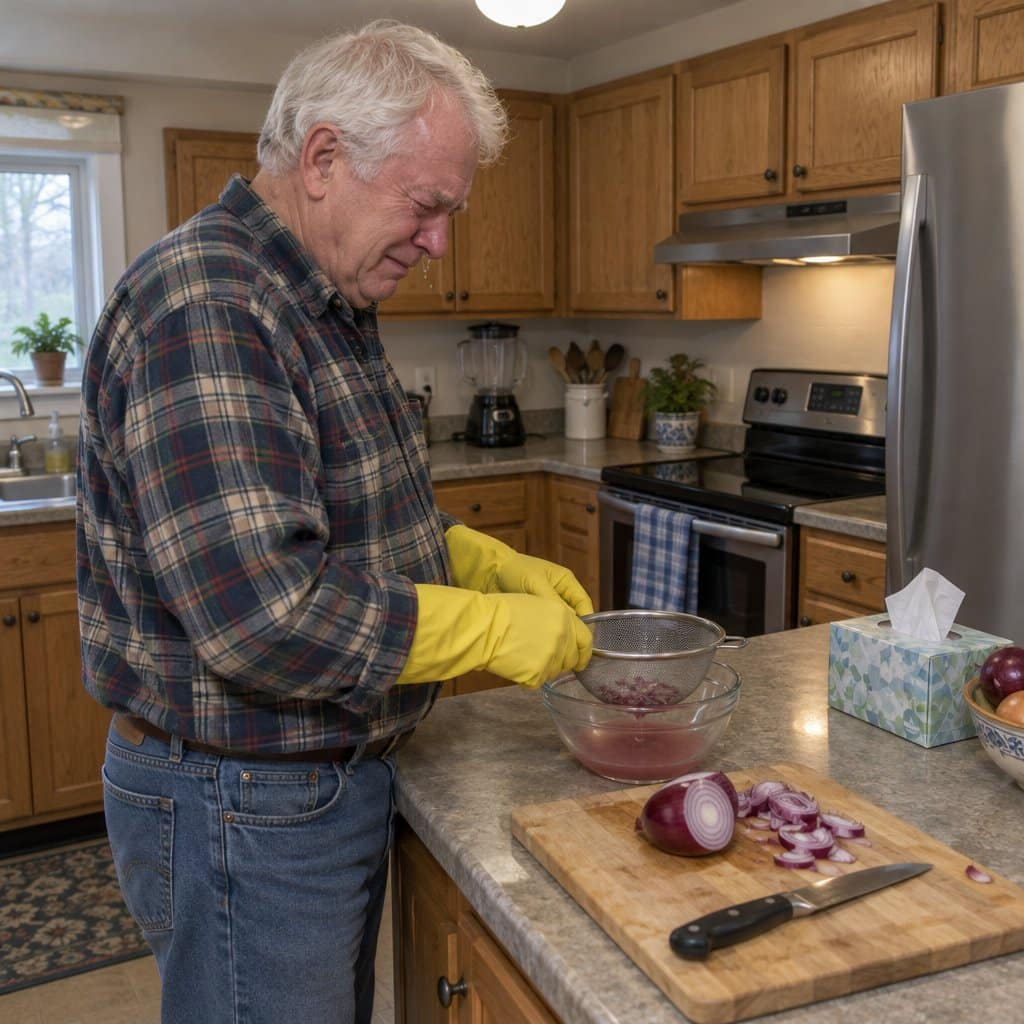
Here is how to make it. Peel one onion, preferably red, and cut it into small pieces. Keep tissues handy.
Juice the pieces in a juicer or blender. A blender leaves pulp in the mix, so strain it through cheesecloth or a fine metal sieve unless you don’t mind onion bits in your hair.
Mix the juice with an equal amount of water. Massage it into your scalp, leave it on for 30 minutes, then shampoo and condition as usual. You can repeat this up to three times a week.
Red onions are preferred because they hold more quercetin. Yellow onions will do, but white onions will not work as well.
If you would rather use it as a rinse, mix equal parts juice and water and pour it on after shampooing. Leave it on for two to three minutes, and do this no more than twice a week.
Wear gloves while you juice, and keep your hands away from your eyes. If juice gets in an eye, rinse it right away with cold water.
Before the first full treatment, do a patch test. Dab a little juice on your inner arm or behind your earlobe and wait 24 hours. Redness, itching, or swelling means you should skip it.
Onion juice may also make your scalp and skin more sensitive to the sun, so wear sunscreen, a hat, and protective clothing outdoors. Rarely, someone has a serious allergic reaction, with trouble breathing, hives, dizziness, or fainting. Get medical help right away if that happens.
The trade-off: it is a simple, all-natural routine, but it is smelly, messy, and unproven for gray hair, so keep your expectations small.
How To Use Apple Cider Vinegar On Gray Hair
There are a few methods to use vinegar on hair, but the simplest and most efficient one is to make a hair rinse. Simply combine 1 to 3 tablespoons of white vinegar or ACV with half a liter of water, stir, and pour into a spray bottle.
Soak your hair completely and, if required, brush your scalp. Leave for 5 minutes before applying a conditioner. Those with dry hair should use less vinegar, while those with excessive oil should use more if necessary. This spray is most commonly used once a week, although it can be used less frequently to avoid drying out the scalp or causing damage.
Dyeing Gray Hair With Coffee: Steps, Stain Tips, and Who It Suits
Coffee is another old home remedy for covering gray. It works best if you have brown hair and only a little gray coming in. The caffeine is said to help open the hair shaft so it takes up color, and the result is a subtle brown tinge, a shade or two darker.
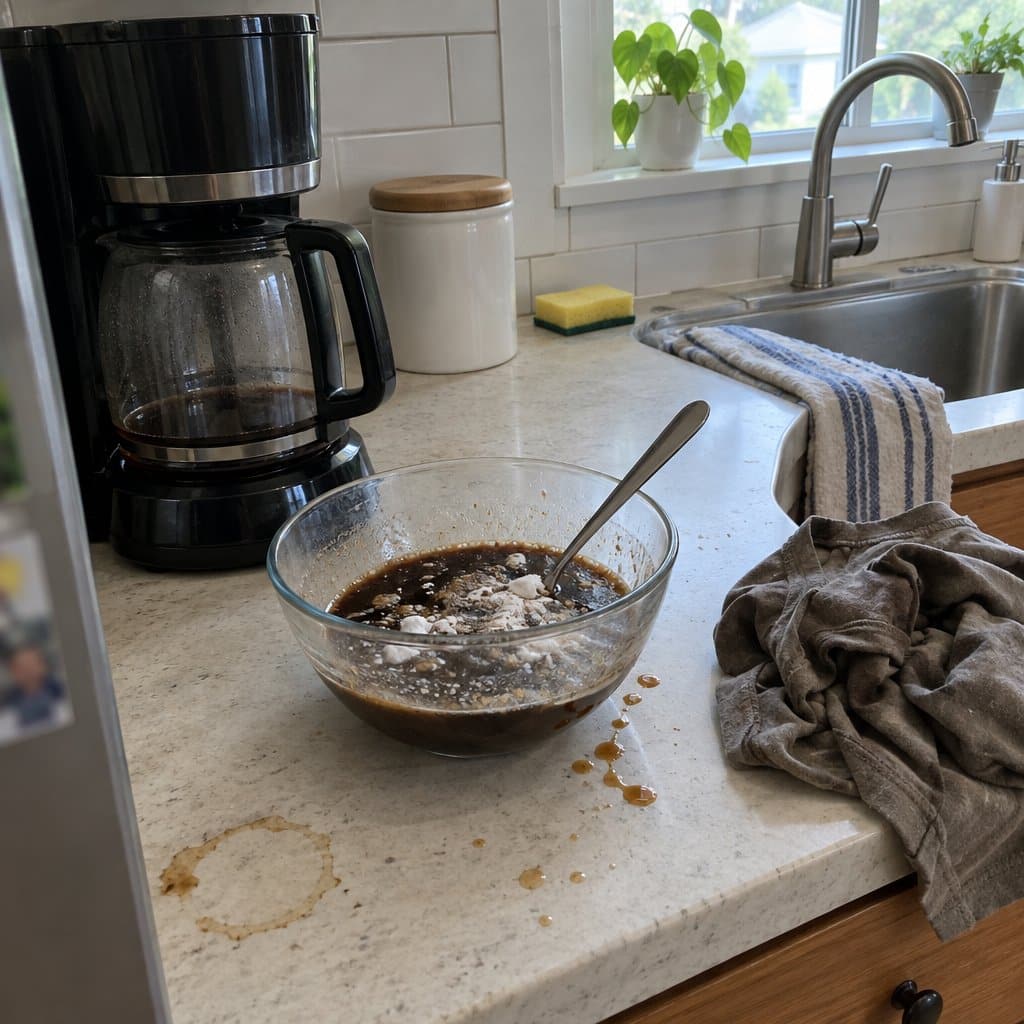
Here is how to do it. Start with fresh coffee, not a pot that has been sitting for hours. Brew it stronger than you would drink it, about double strength, and use 100% pure, organic coffee if you can.
Mix one cup of the hot coffee with two tablespoons of baking soda. A small amount of shampoo or conditioner in the mix helps it go on more easily.
Your hair should be clean and dry before you apply it. Dirty, wet, or oily hair may not take the color as well. If you need a place to start, I have a list of the best shampoos and conditioners for gray hair.
Work the mixture in from root to tip. Wait at least 30 minutes before rinsing with water, and hold off on shampooing as long as you can so the color sets. Condition afterward to keep your hair soft.
A few tips for the mess:
- Wear an old t-shirt or put a cloth around your shoulders. Coffee stains clothes and is hard to get out.
- With long hair, clip it into sections to make applying easier.
- Heavy rain can make some of the color run onto your clothing.
- For gray roots only, apply the mixture to the roots and let it sit a few minutes before rinsing.
- With lighter hair, a darker roast may give better results.
On the plus side, coffee is easy to use, relatively safe, and leaves hair feeling soft rather than dry. On the down side, it can stain skin and clothes, and the color fades, so you will need to repeat it every few weeks. It is not recommended for light hair, and people with very dark hair may see little change.
The trade-off: coffee asks very little of you and uses no harsh chemicals, but it only works within a narrow range. If your hair is brown and the gray is just starting, it may be worth an afternoon. Outside that, you will likely be disappointed.

Gray Hair: Time to Own It!
So what if you don’t want to color your hair? Own it! Vinegar can help you look trendy and smart by bringing out the best in your silver mane.
Use a vinegar rinse to make gray hair shine and to remove a yellow hue induced by sun and perspiration. As a pro tip, get a good cut; it’s what really makes gray hair an eye-catcher! It even helps make you look younger despite your gray hair!