Bathing refusal in older adults rarely comes out of nowhere. It tends to build slowly: a skipped day here, a longer gap there, until suddenly you realize it’s been weeks.
The reasons are almost never simple laziness, and treating it that way makes the conversation harder. If you’re trying to convince someone to shower, I cover when the refusal is really about control. If your loved one has dementia, you’ll find how to help with bathing and keep their dignity, along with ways to make the bathroom safer and easier to use.
If the problem is that bathroom routines feel hard or embarrassing, a few of the personal hygiene products that help aging adults can make staying clean easier.
The Journal of the American Geriatric Association published a qualitative study on this issue. Here’s what they found, along with a few additions from clinical experience.
Why Is Your Elderly Loved One Refusing to Bathe?
1. Fear of Falling
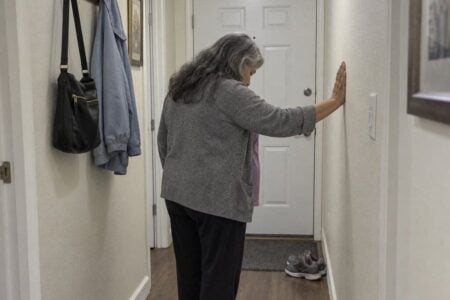
The bathroom is one of the most dangerous rooms in the house for an older adult. Wet floors, slick tub surfaces, and the physical demand of stepping over a tub edge are all legitimate hazards — and many seniors are acutely aware of that. If your loved one has already had a fall or a near-miss, that fear gets compounded. They may not say “I’m afraid of falling.” They may just quietly stop getting in the tub.
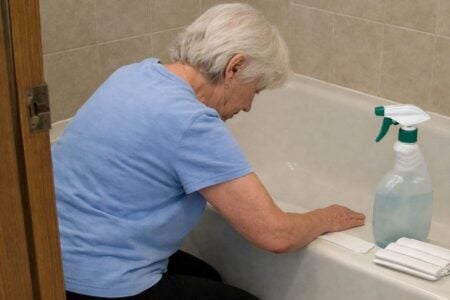
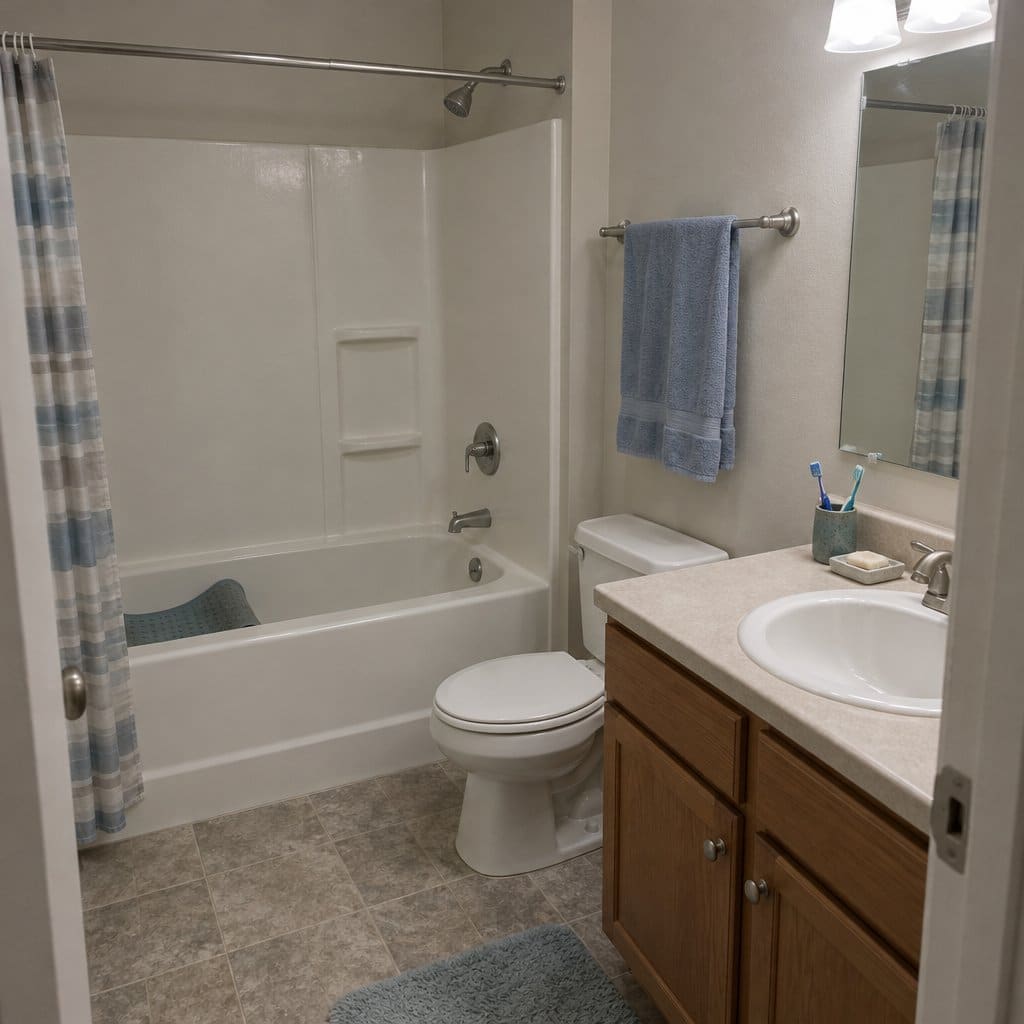
If slick tub surfaces are part of the fear, non-slip bathtub safety strips can give feet something to grip and help your loved one feel steadier.
2. Fear of Drowning
Less common but real, especially for seniors who live alone. The thought of losing consciousness or being incapacitated in a tub full of water — and being found that way — is a genuine concern. A waterproof medical alert device can help address this one directly.
3. Physical Difficulty Getting In and Out
Arthritis, poor balance, and reduced hip or knee mobility make the simple act of stepping into a tub genuinely painful and risky for many older adults. When something hurts every time you do it, you stop doing it. This is one of the most common and most fixable causes — and it’s where the right equipment makes a real difference.


4. Exhaustion From the Process
Bathing takes more energy than most people realize: running water, adjusting temperature, stepping in and out, drying off, getting dressed again. For someone dealing with heart failure, COPD, or simply the fatigue that comes with advanced age, the whole sequence can be genuinely depleting. A shower chair and handheld showerhead can reduce that energy cost significantly.
5. Unable to Regulate Water Temperature
Frailty, arthritis, or cognitive changes can make adjusting faucet handles difficult or confusing. A thermostatic faucet valve that locks to a safe temperature, or simply a lever-style handle, can remove this barrier entirely.
6. Depression or Anxiety
Depression in older adults often presents differently than it does in younger people — less overt sadness, more withdrawal from routine activities. Skipping baths can be one of the first signs. Anxiety about bathing (what if I fall, what if I can’t get out) has a similar effect. Both deserve a conversation with their doctor, not just a reminder to shower.
7. Loss of Interest After a Life Change
The death of a spouse, social isolation, or a move to a new living situation can undermine an older adult’s motivation to maintain personal hygiene. When they feel there’s no one to dress for or no reason to go out, the incentive to stay clean diminishes. Frequent visits, social outings, or church involvement can help restore it.
8. Embarrassment Over Body Changes
Aging bodies change — skin, weight distribution, surgical scars, ostomy appliances, skin conditions. Some older adults find these changes distressing enough that bathing, which requires confronting them, becomes something to avoid. A matter-of-fact approach works better than reassurance here: these changes are normal, and cleanliness is still important regardless.

9. Changes in Smell Perception
Anosmia and reduced olfactory sensitivity are common in aging — particularly in Parkinson’s disease. An older adult who can no longer smell their own body odor may genuinely not realize they need a bath. A consistent scheduled hygiene routine removes the need to rely on self-assessment.
10. Cognitive Decline
Dementia and Alzheimer’s can disrupt the sequencing and memory involved in bathing. The person may not remember when they last bathed, may not be able to initiate the steps independently, or may become agitated during the process. This isn’t refusal — it’s a cognitive symptom, and it requires a different approach than persuasion.
11. Resistance to Social Pressure
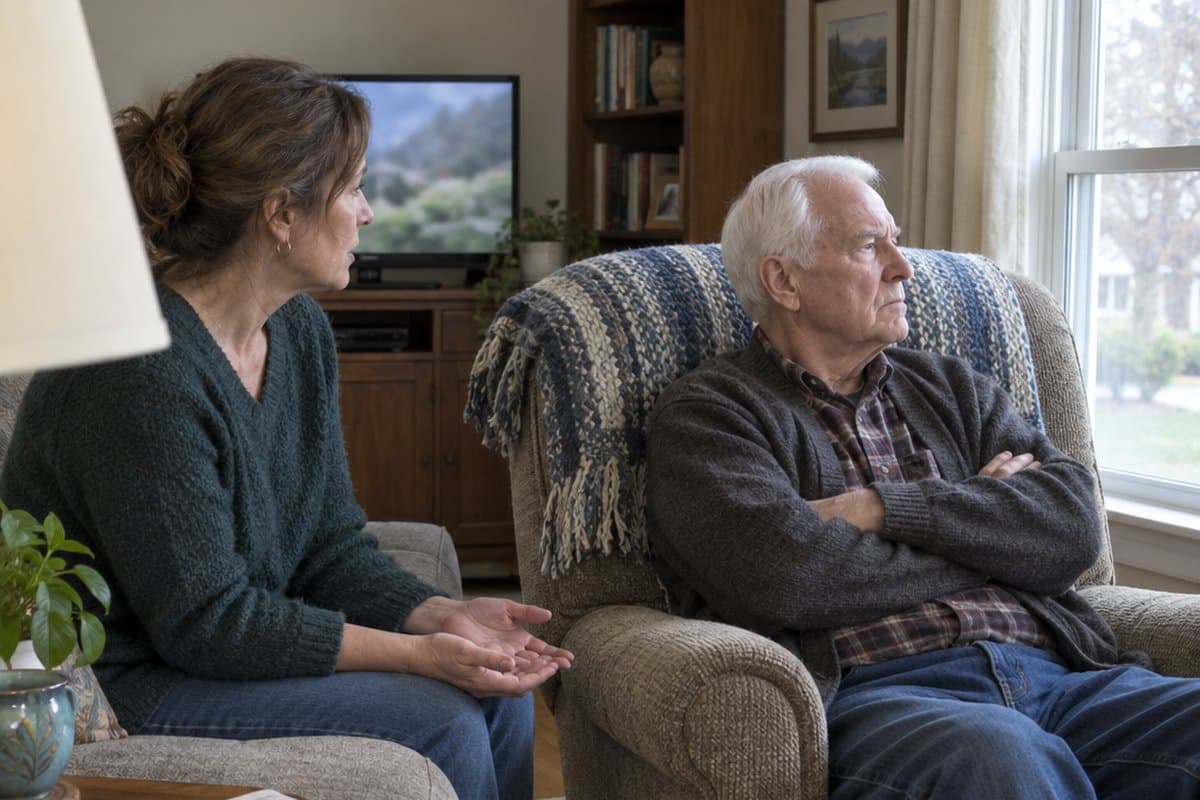
Some older adults, particularly those who’ve always been independent, will dig in when they feel they’re being managed or told what to do. The more pressure applied, the harder they push back. This is where framing matters: the goal is collaboration, not compliance.
12. Fear of Getting Sick From Cold or Wet Exposure
Some seniors worry that getting wet or cold will make them ill. Non-slip bath mats, a warm bathroom (heat the room before they get in), and quick drying routines can address this practically.
Found this useful? Get more hype-free guidance on senior care and family caregiving delivered straight to your inbox. Join the Graying With Grace newsletter →
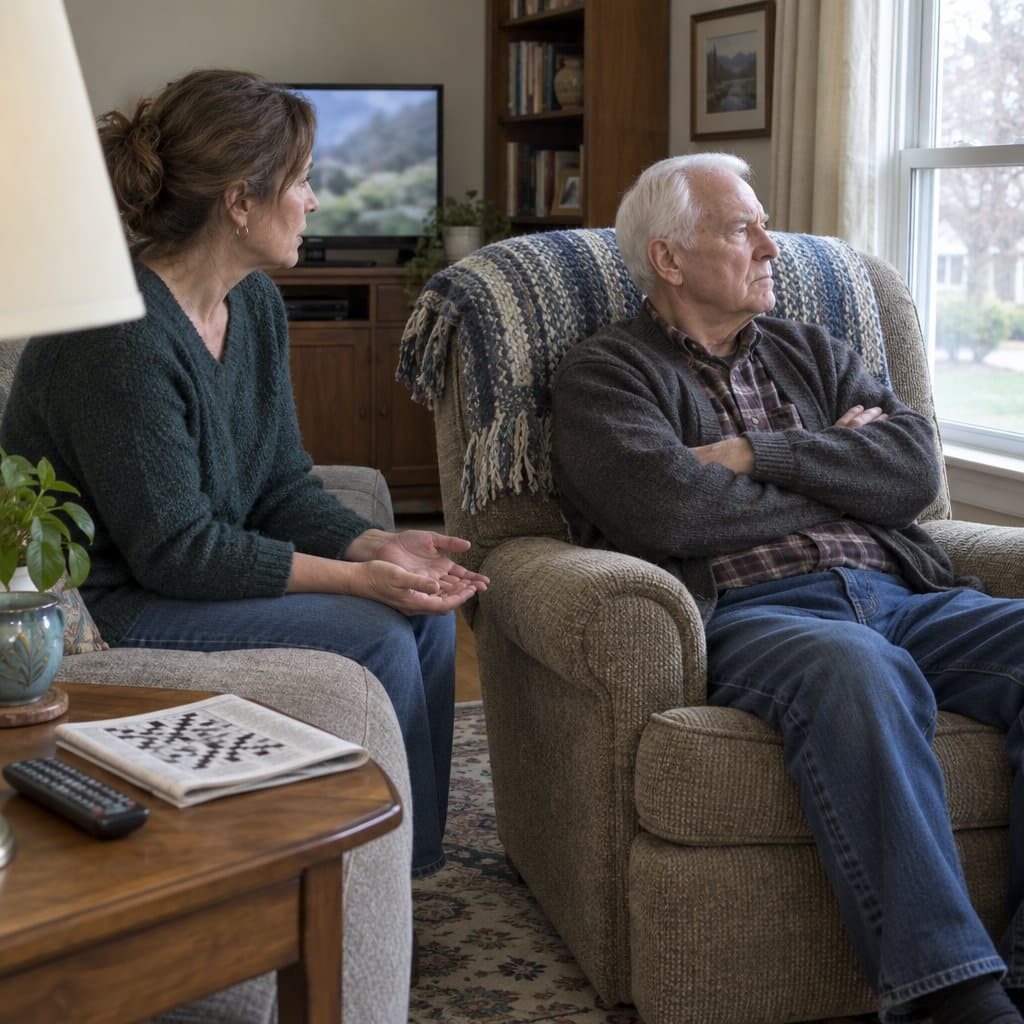
When Refusing to Shower Is About Control
Think about how much has shifted for your loved one. Others now help with changing clothes, eating, getting around, and plenty more, all things they used to do alone.
Bathroom activities are private, and for many seniors they feel like the last place where they still have a say. A flat “you need to shower” can land as one more person taking over. They may also reason that body odor is not harmful, so why should anyone force the issue?
Once you see it that way, a few approaches make sense.
Sit down before the next standoff and talk about showering as teamwork. Skip lines like “you need to stay healthy,” which put the job on them. Say “we” instead, so they see you on their side.
Give choices wherever you can. If they do not feel like a shower today, ask what they would prefer. Let them pick between two shampoo scents, or a mix of both.
Make independence easy. If they want to shower on their own, have the supplies within arm’s reach and the shower chair adjusted before they start. When the soap is across the room, they tend to retreat to square one.
Keep the talk short and pleasant. A wink and a hint that the bathroom is warm enough works better than an argument. On the walk there, chat about which snack they would like afterward.
Cold is a real reason to say no. Run a heater in the bathroom for at least 20 minutes first (here are some safe heaters for seniors). You can also lay a warm towel over the toilet seat while they undress.
A daily routine at a set time can make showering as ordinary as feeding the cat. If daily does not work, that is fine, since not every older adult needs a shower every day. On days they just will not, shower alternatives are worth a look. The same goes for building a safe shower setup.
One trade-off: giving up control to get cooperation means showers may happen on their schedule and in their way, not yours. That is slower, but it is usually the way to get them to the bathroom at all.
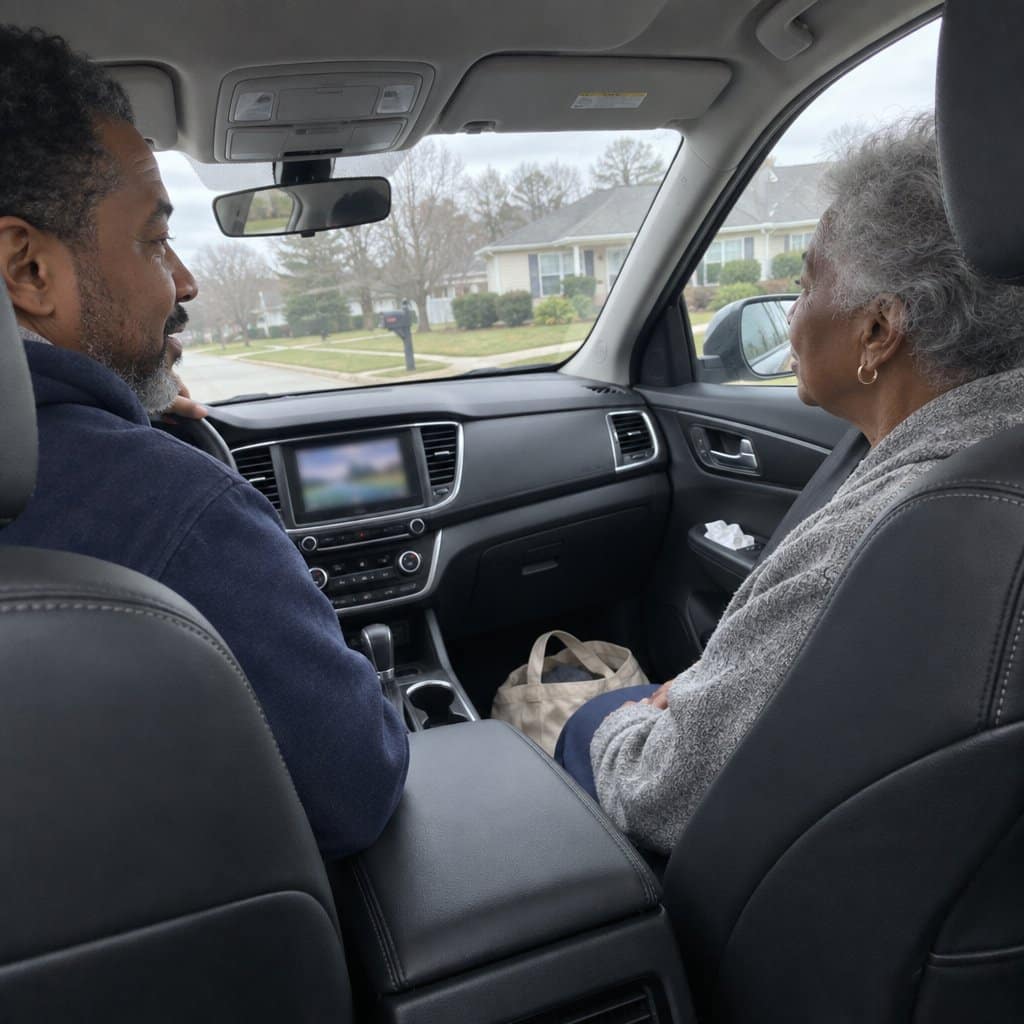
Having the Bathing Conversation With Your Parent
Few people want to bring up bathing with their parent. It can feel invasive and backwards, like a role reversal nobody signed up for. Still, putting it off does not protect anyone’s dignity, and a few minutes of discomfort now can head off a bad fall later.
Start by pausing to think about what your parent may be feeling. Bathing is private, and needing help with it can feel like losing independence. Many older adults also grew up thinking that asking for help made them a burden, so they would rather struggle quietly than worry their children.
Pick the moment with care. Don’t bring it up in a crisis or right after you notice something worrying. Choose a calm time when you both have privacy and nowhere to be. A car ride or a walk can work well, since sitting or walking side by side feels less like a confrontation.
Then ask permission. You might say, “Mom, I’ve been thinking about how to help you stay safe and independent at home. Would you be open to talking about bathroom safety with me?”
From there, take it in this order:
- Say why you are asking: “Dad, your independence and safety are important to me.”
- Listen first. Ask open questions like “How do you feel about your bathroom routine these days?” and let them answer before you offer fixes.
- Share what you have noticed gently. “I’ve noticed you seem less comfortable with your shower routine lately. Is everything okay?” goes over better than a blunt comment about smell.
- Offer solutions as choices: “Would you like to look at some safety options together?”
- If they balk at equipment, remind them these are not “old people” products. Even hotels use grab bars because they work.
Don’t try to settle everything in one talk. It will likely be the first of several conversations as their needs change, and minimizing bathroom hazards takes ongoing give and take.
If they mention frequent near-falls, trouble lifting their legs into the tub, or confusion about hot and cold water, involve their healthcare provider or ask about an occupational therapy evaluation.
One trade-off: going slowly means the risk stays for a while. But a parent who feels heard is far more likely to say yes than one who feels cornered.
11 Ways to Help an Elderly Person Get Back to Bathing
Whichever approach you try, keep two things in mind: involve them in the decision, and keep your tone even. This is a delicate subject for everyone in the room.
1. Lead With Compassion, Not Judgment
There’s a reason behind the behavior — even if they won’t tell you what it is yet. Coming in with frustration or accusation closes the conversation before it starts. Come in curious, not corrective.
2. Have an Honest Conversation About Why It Matters
Explain, without lecturing, that regular bathing reduces the risk of urinary tract infections, skin breakdown, and fungal conditions — all of which are serious at this age. Frame it around their health and comfort, not your preference.
3. Make It an Event, Not a Chore
For some people — especially those with mild dementia — giving bath time a pleasant association helps. Favorite music, a nice-smelling soap, or a good moisturizer afterward can shift the experience. (Avoid bubble bath for anyone prone to UTIs.)
4. Let Them Choose Their Products
Autonomy matters. Let them pick their soap, shampoo, and body lotion from a vetted set of options. It’s a small thing that can significantly improve compliance — and signals that this is their routine, not yours.



5. Show Them the Process — Then Watch Them Do It
Walk through the steps with them: how to adjust the water safely, how to step in and out. Then ask them to demonstrate it back to you. This isn’t condescending — it’s how you find out whether they actually need assistance and where the breakdown is.
6. Consider Switching to a Shower
Tub baths require more strength, balance, and flexibility than most people appreciate. A roll-in or walk-in shower with a shower chair and handheld showerhead is often far easier and safer for someone who’s been avoiding the tub. If a full renovation isn’t in the cards, a transfer bench can bridge the gap.
7. Get the Right Safety Equipment in Place
This is often the most direct fix. Here’s what makes the biggest difference:
- Bathtub lifts — motorized seats that lower a person into the bath and raise them back out. Best for those who love a bath but can’t manage the step-in safely.
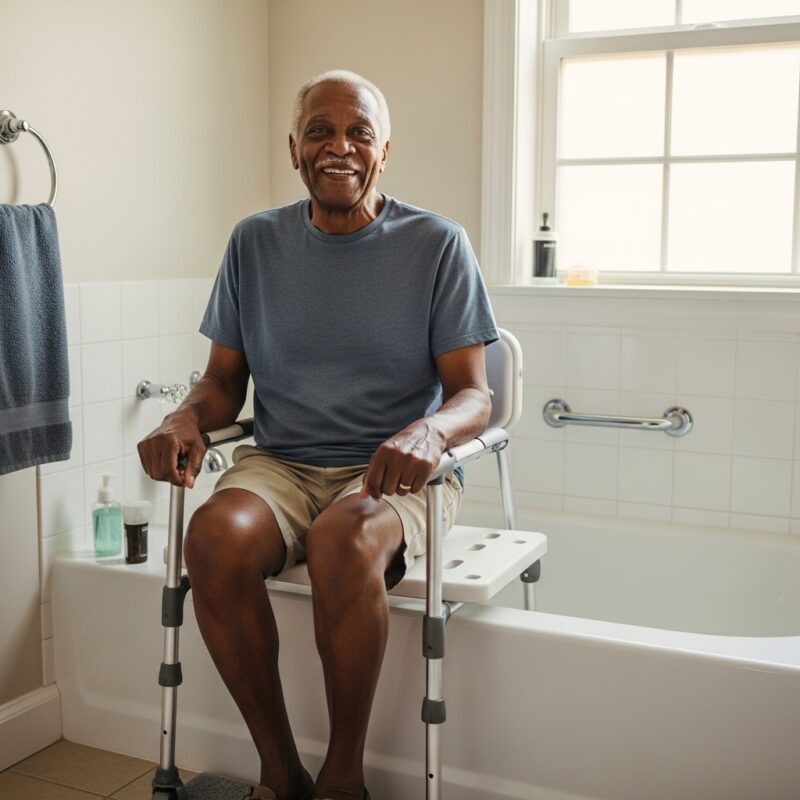
- Transfer benches — extend from outside the tub in, letting the person sit and slide across rather than step over the edge. Highly effective for limited mobility.
- Shower chairs and stools — allow bathing while seated, reducing fatigue and fall risk considerably.
- Grab bars — wall-mounted bars in and around the tub or shower. Non-negotiable in most setups. Suction-cup versions exist but permanent installation is significantly safer.
- Non-slip bath mats — both inside the tub and on the floor outside it.


8. Loop In Their Doctor
A recommendation from a physician lands differently than one from a family member. Before the next appointment, call the office and ask the doctor to address hygiene and bathing safety directly with your loved one. Most are glad to do it.
9. Stay Nearby Without Hovering
Just knowing someone is close can reduce anxiety significantly. You don’t need to be in the room — sitting just outside the bathroom door, or giving them a call button, provides reassurance without invasiveness.
10. Reframe It as Rest and Recovery
A warm bath is genuinely relaxing — and for someone dealing with joint pain or muscle stiffness, soaking has real therapeutic value. Pitch it that way rather than as a hygiene task.
11. Hire a Bathing Aide
Many older adults are more comfortable accepting help from a professional caregiver than from a family member. This isn’t a failure on anyone’s part — it’s often just easier for everyone. Home care agencies can arrange bathing aides for just a few hours a week.
More posts like this land in our newsletter every week — practical advice for caregivers and older adults, without the filler. Subscribe to Graying With Grace →
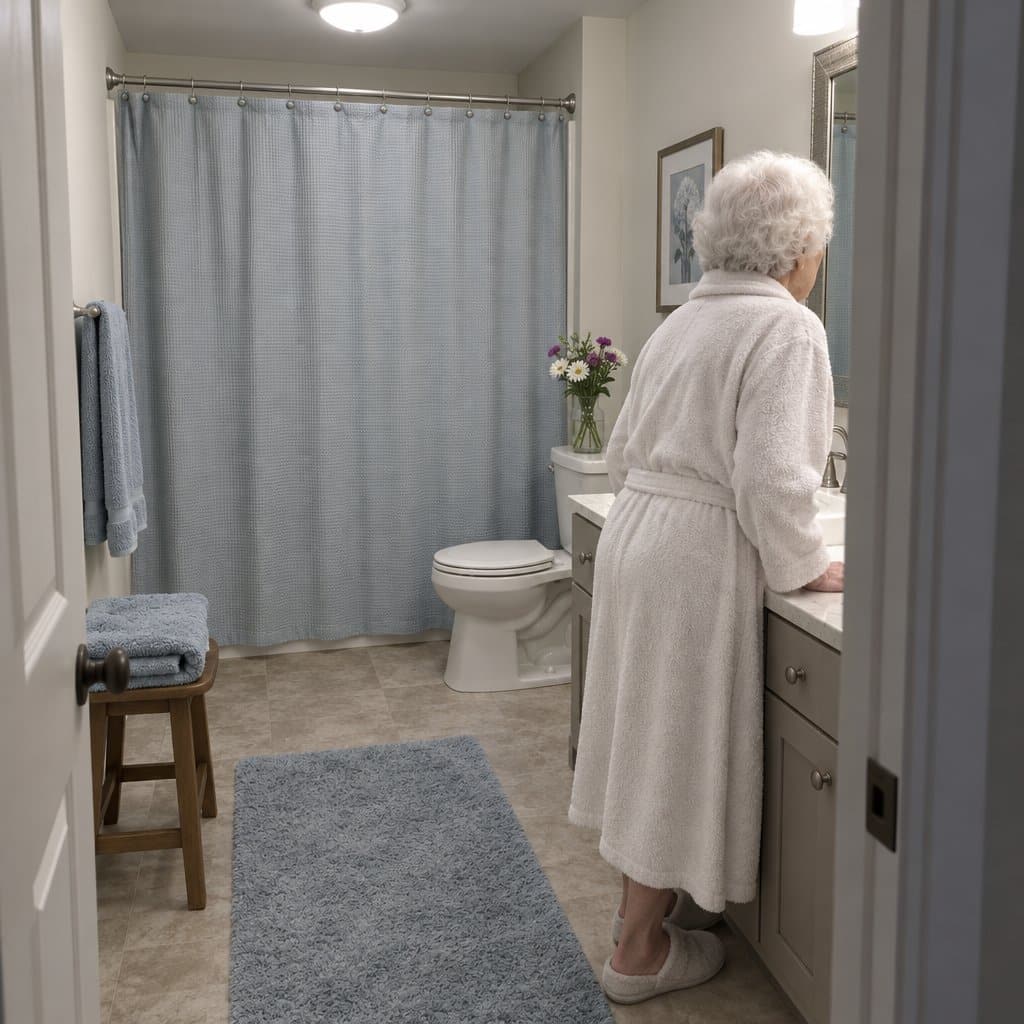
Keeping Privacy and Dignity While Helping Someone Bathe
Most of us learned young that bathing is private. When someone has to step in and help, that lesson doesn’t go away, so the way you help matters as much as the help itself.
Start with where the bathroom is. Is it in their own home, a private room, a hospital, or a facility? Do they share it with other residents? A bathroom they know well feels very different from a brand new one, and that will shape their comfort.
Then ask whether they feel safe there. Say it plainly: “Do you feel comfortable using this bathroom? If not, is there a way I can help you change that?” If they struggle to talk with you, ask someone who knows them better to find out their concerns.
Ask about privacy too. “How important is privacy to you when using the bathroom, for both toileting and bathing?” Some people in hospitals or facilities no longer mind, since the nurses have seen it all. For others, privacy matters a great deal because of shyness or cultural practices.
Once you know what they need, look at the room itself:
- Check that the locks work.
- Make sure shower curtains and doors give proper coverage.
- Check and update the grab bars and other adaptive equipment.
- Keep the room clean and well lit.
- Make sure they can get in and out of the tub safely.
- Install an alert system for a fall or health emergency, such as a fall alert watch.
- Add a vase of flowers or a scented plug-in so the room feels less like a utility space.
If you are the one helping with hands-on care, respect comes down to small habits. Look away when they ask you to. Cover them with towels, and help with undressing only when they are ready. If they would rather have a helper of the same gender, make that happen.
Let them have as much say as is safe in how the bath goes. The first time might be just a rinse, and they may work up to scrubbing later.
If you are new to this, a rehabilitation specialist, CNA, nurse, or occupational therapist can show you how to help while protecting their self-respect. One trade-off: all this asking and adjusting takes time, and the first few baths may be short ones.
Bathing a Loved One With Dementia
Dementia changes what bathing asks of a person, and it changes what it asks of you. A few habits make the whole thing calmer for both of you.
Keep the routine the same. Use the same order for the transfers, the washing, and the drying off. If you can, have the same person or people help every time.
Don’t force the bath. If your loved one refuses and can’t tell you why, something is usually wrong and needs fixing first. Give them time before you try again.
Be ready for surprises, especially with moderate to severe dementia. One day goes smoothly, and the next you look away for a second and find a flooded bathroom and a loved one heading down the hall with no clothes on. Have your safety measures in place ahead of time.
Safety equipment helps, but people with dementia often need cues to use it, so expect to do a lot of pointing. Useful pieces include grab bars, hand-held shower heads, and a shower chair or bench.
Talk to a physician, a cognitive specialist, and any rehabilitation specialists. This matters most if you are new to caring for someone with dementia, and they can show you how to carry out bathroom routines safely.
Protect their dignity too. A person with dementia deserves the same respect as anyone else. Undress them only when necessary and only after they have allowed it, cover them with towels as soon as you can, and respect their cultural practices.
One trade-off: keeping the routine steady and waiting out a refusal means bathing may happen less often than you would like. That is slower, but pushing usually makes the next try harder.
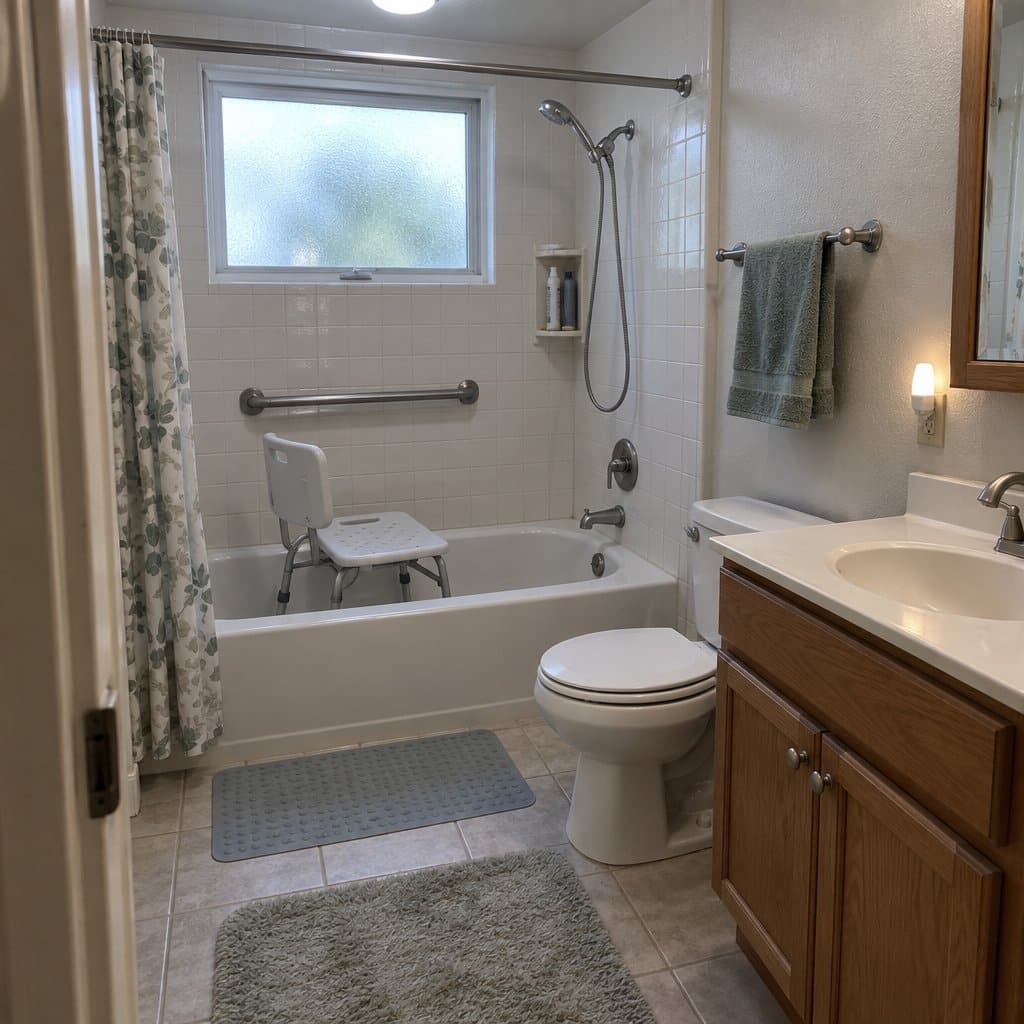
Making the Bathroom Safer and Easier to Use
Once your loved one is willing to talk, the setup of the room itself is the next thing to look at. Small changes here can make bathing feel less like a risk and more like a normal part of the day.
Grab bars are a good place to start. Many now come in decorative styles that look like towel bars, and the placement matters, so see where grab bars work best in the shower.
A hand-held shower head lets the person control where the water goes. A shower chair or transfer bench lets them sit rather than stand, and a seat can be about relaxing as much as safety.
Lighting is easy to overlook. Motion-activated nightlights help someone get around the bathroom without fumbling for a switch, and bright LED bulbs make everything easier to see.
A waterproof emergency button gives peace of mind to both of you. A temperature-controlled faucet helps prevent scalding and makes the shower easier to manage.
If you are not sure what to do first, this list of bathroom accessories for seniors can help you sort out the most important changes. For a fuller look at the hazards in a typical bathroom, I have a separate article on that.
If the tub is the real problem, shower alternatives are worth a look for safety and comfort.
One trade-off: adding everything at once can feel like too much. Start with one change, let them get used to it, and add more from there.
How Often Should the Elderly Bathe?
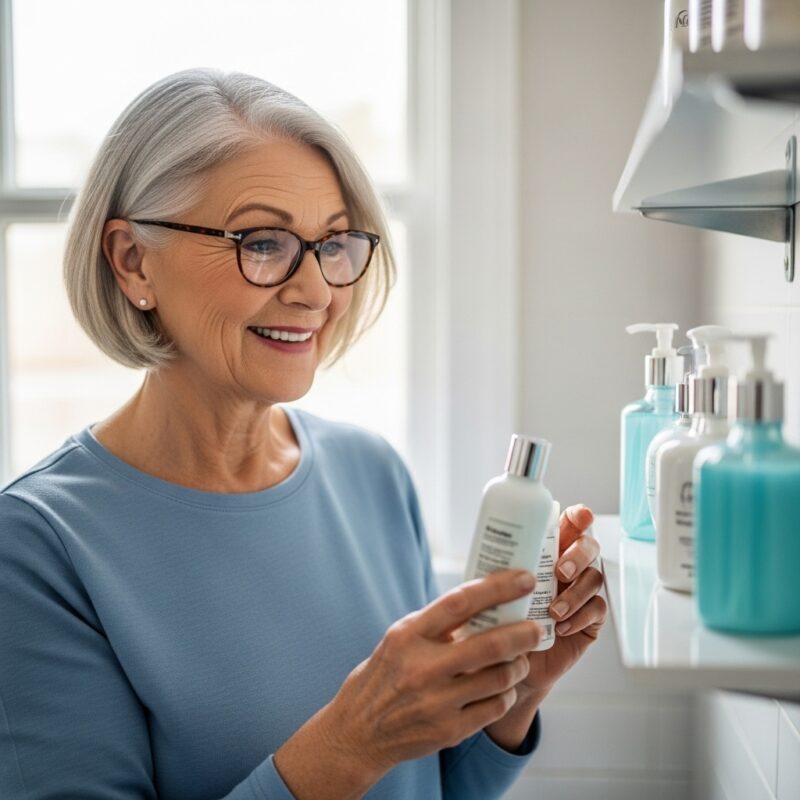
Most clinical guidelines recommend at least twice a week for a full bath or shower, with sponge baths in between for skin hygiene maintenance. Older skin is thinner, less elastic, and more prone to dryness — which means over-bathing with harsh soaps can cause its own problems. Twice a week with a gentle cleanser and a good moisturizer afterward is the right baseline for most people. For those in-between days, I made a video showing you how no-rinse bathing wipes for fragile skin work from the Welmedix brand.
That said, someone with incontinence, a wound, or a skin condition may need more frequent bathing. When in doubt, ask their doctor or a home health nurse to weigh in on a routine that fits their specific situation.
What to Do Next
If you’ve been avoiding this conversation because you don’t know where to start, start with curiosity: ask your loved one what bothers them about bathing, and actually listen to the answer. You’ll likely find a specific, solvable problem underneath the refusal — and a specific solution that makes the next conversation easier.
If fear of falling or physical difficulty is the main issue, start with a transfer bench or shower chair and see what changes. Sometimes removing one barrier is enough to get the routine going again.