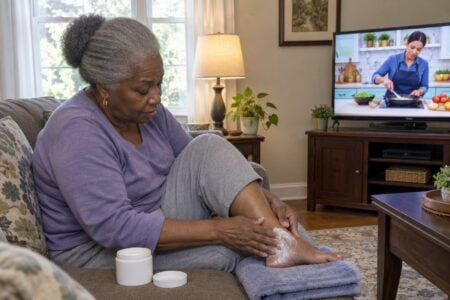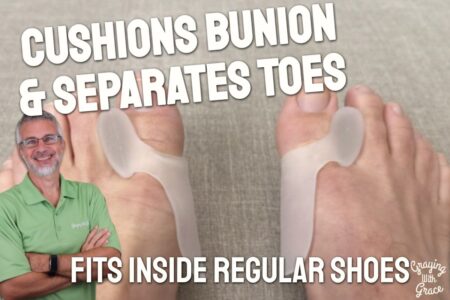
You finally sit down at the end of the day, and your heels catch on the sheet or your socks. If that sounds familiar, you are probably searching for the best foot creams for seniors.
This guide covers our top picks and what each one does well and not so well.
It also explains the ingredients, what to look for when choosing, and how creams can help with dry and cracked skin, swelling, arthritis, fungal infections, odor, and diabetic foot care.

Reviews of Our Top Recommended Foot Creams
Dry Cracked Heels Repair Foot Cream

Ancient Greek Remedy foot balm is an excellent pick if you prefer a natural foot cream that leaves your feet feeling silky soft.
Pros:
- Intensively and quickly moisturizes dry feet
- Provides soothing relief from sweat, odor, and itchy feet
- Comes with a free pumice stone to remove dead skin
Cons:
- May not be suitable for those with sensitive skin
- Some users may find the lavender scent too strong
- May take a few days to see noticeable results
Looking for a simple and natural way to care for your feet? Ancient Greek Remedy Foot Balm is the perfect solution!
This foot care kit contains six cold-pressed unrefined oils, such as extra virgin olive oil, sweet almond oil, grapeseed oil, sunflower oil, lavender oil, and vitamin E oil.
It’s a great choice for those with dry, cracked heels and calloused skin and those who suffer from foot odor and itchiness. Apply the balm nightly before bedtime, and you’ll have soft, beautiful feet in no time!
And that’s not all! Along with the balm, you also get a free pumice stone to remove dead skin, so you don’t need additional tools. Plus, the carrier oils will deeply moisturize dryness while the essential oils relieve sweat and itchy feet.
This product is also 100% natural, vegan, animal-friendly, non-GMO, gluten-free, paraben-free, and preservative-free, so you can use it without worry or guilt.
TEAWOO Silicone Moisturizing Socks

The TEAWOO Silicone Socks and Gloves Set isn’t a cream. It’s a way to help the cream you already own work better. You put your usual moisturizer on your feet or hands, slip these on, and leave them for 30 minutes.
The silicone holds the lotion against your skin so it stays put instead of rubbing off on your sheets or slippers. That can help with dry, cracked heels and rough hands. The set comes with two pairs, so one package covers both feet and hands.
They rinse clean, and silicone doesn’t hold onto odor the way fabric can. That makes them easy to reuse without much fuss.
Keep a few things in mind. The socks fit up to a women’s size 10, so they won’t work for larger feet. The seams can wear out if you stretch them too hard, so ease them on gently. They only come in pink.
Gel Moisturizing Heel Socks

These moisturizing gel heel socks are not a cream themselves. You put your own foot cream on first, then pull the socks on at bedtime. The gel lining holds the moisture against your skin so it doesn’t end up on the bedsheets.
They come as a 4-pack, and they are machine washable and reusable. That makes them a nightly routine rather than a one-time treatment, and a sensible match for anyone with dry, cracked heels that keep coming back. If you want a simple routine to go with them, here is how to fix dry cracked heels at home without booking a pedicure.
Now the downsides. Socks with lotion on the inside can be slippery on smooth floors, so keep them for bed, or wear slippers over them if you need to get up. Also, they work slowly. Plan on a week or two of nightly use before you see a real difference.
Ebanel Urea Salicylic Acid Foot Cream

If you need a foot cream that can help repair dry and cracked skin, Ebanel Urea Cream 40% might be the right choice. If you’d like to know where a urea cream fits in with socks and other steps, I put it all in a step-by-step product guide for cracked heels.
Pros:
- Intensive moisturizing skin barrier repair cream
- Gentle yet effective callus remover for feet, heels, hands
- Helps speed up the healing process
Cons:
- May not be suitable for people with sensitive skin
- May take some time to see results
- May have a strong scent that some people may not like
Ebanel Urea Cream 40% is perfect for those needing a natural, protective humectant. It helps retain moisture and restore skin barriers, while its highest potency of 40% urea penetrates to reduce dead skin cell buildup, soften calluses, and diminish dryness.
With 2% Salicylic Acid to exfoliate, Tea Tree Oil, Camellia Green Tea Extract, and Aloe Vera to soothe, this odor-free foot cream is made for a range of skin types. If you have diabetes, ask your doctor before using it.
Packed with antifungal properties, too, it’s great to use as a hand or knee callus remover and rough elbow cream!
Formulated and bottled in an FDA-registered facility in the USA. It is never tested on animals (cruelty-free and vegan-friendly), cGMP certified, hypoallergenic, petroleum-free, paraben-free, and sulfate-free.
Ebanel Urea Cream 40% is packed with powerhouse ingredients that nourish and moisturize. Gentle enough for even sensitive skin, it’s made domestically and free of animal testing, giving you peace of mind when purchasing.
But bear in mind that results may take time, and some might not enjoy its strong scent. Still, if you’re looking for a top-notch foot cream, Ebanel Urea Cream 40% will be there for you.
PurOrganica Urea Foot Cream

If you’re looking for a foot cream that deeply moisturizes and softens feet, the PurOrganica Urea 40% Foot Cream is a great choice.
Pros:
- The cream is made with premium-quality ingredients.
- It can be perfect for all cases and skin types.
- The unique lotion will nourish dry and cracked skin to have incredibly smooth heels.
Cons:
- The cream may leave your feet feeling a little tacky.
- Some users may not like the smell of the cream.
- The cream may be expensive for some users.
The PurOrganica Urea 40% Foot Cream is a revolutionary product, carefully crafted with the most effective ingredients to give you visible results in no time. Its pure formula is so gentle on your skin that it can be used for all types of cases and skin types without worry.
This foot cream will work wonders if you want to eliminate unsightly calluses or have baby-soft heels for sandal season!
It will nourish and moisturize dry and cracked skin to relieve the pain and hassle of calluses, giving you incredibly smooth heels.
PurOrganica Urea 40% Foot Cream is made in the USA using premium ingredients.
Popularly known for reducing itching and preventing dry and scaly skin, this incredible formula deeply hydrates and softens feet while delivering spectacular results.
Eucerin Advanced Repair Foot Cream

If you’re looking for a fragrance-free, non-greasy foot cream that is gentle enough for sensitive skin, then Eucerin Advanced Repair Foot Cream is a great choice.
Pros:
- Moisturizes and gently exfoliates, and repairs very dry skin on feet
- Formulated with Ceramide-3 and Natural Moisturizing Factors to help repair skin’s moisture barrier
- Non-greasy and fast-absorbing
Cons:
- May take a few minutes to absorb into the skin
- May be too thick for some users
- May not be effective for severe cases of dry skin
Eucerin Advanced Repair Foot Cream is crafted with feet in mind and provides sustained hydration. The formula contains ceramides to boost the skin’s ability to retain moisture and natural moisturizing factors that lock in hydration and fight dryness.
This foot cream is free of fragrances, dyes, and parabens, making it a perfect choice for sensitive skin. It absorbs quickly without leaving behind any greasiness so you can use it daily with ease. To get optimal results, apply after showering.
Most users report excellent results from this foot cream; their feet feel soft and nourished. However, some have found this product thicker, taking more time than expected to absorb into the skin. Additionally, it might not work as well on exceptionally dry patches of skin.
All things considered, Eucerin Advanced Repair Foot Cream is an ideal option if you’re looking for something gentle, fragrance-free, and capable of providing lasting moisture.
All Natural Foot Cream

If you’re looking for a natural and intensive foot care treatment that will leave your skin feeling spa soft and smooth, the Yellow Bird Natural Foot Cream is worth considering.
Pros:
- Get fast results with organic ingredients that penetrate deeply
- Formulated with more essential oils than other leading foot care products
- Concentrated balm-like consistency provides long-lasting support
Cons:
- The product can be difficult to get out of the container
- Expensive compared to other foot creams on the market
- May cause redness on the bottom of the feet for some users
The Yellow Bird, Natural Foot Cream, is an American-made, family-owned product that promises to work wonders on calloused feet, cracked heels, and stinky odors.
Formulated with more essential oils than most foot care products for seniors, including peppermint, eucalyptus, lavender, and tea tree oil, it’s meant for athlete’s foot, yellow toenails, and smelly feet.
The balm-like consistency ensures deep penetration of its nourishing ingredients, delivering long-lasting comfort.
Getting it out of the container may be tricky, but the speedy results will be worth it. Although, bear in mind that this cream is pricier than other solutions available on the market.
Additionally, some users have reported redness on the bottom of their feet after using the product, likely due to tea tree oil.
If you’re looking for a natural foot cream that will leave your feet feeling soft and smooth, the Yellow Bird Natural Foot Cream is definitely worth considering.
Its organic ingredients and powerful essential oils make it great for tackling all kinds of foot issues, while its concentrated formula provides lasting relief.
O'Keeffe's For Healthy Feet Cream

Do you have extremely dry and cracked feet? O’Keeffe’s Healthy Feet Foot Cream is made to soothe and repair very dry skin. It’s fast-acting, and you may notice an improvement within a few days.
Pros:
- Creates a protective layer on the skin’s surface that instantly boosts moisture levels and helps prevent further moisture loss
- Contains increased levels of Allantoin, which helps to penetrate thicker and rougher surface skin on the feet
- Made to boost moisture levels, help prevent further moisture loss, and create a protective barrier on the skin’s surface, so you may feel a difference within days
Cons:
- Can leave your feet feeling sticky and uncomfortable for about an hour after use
- May not be suitable for those who prefer scented products
- Can be a bit pricey compared to other foot creams on the market
O’Keeffe’s Healthy Feet Foot Cream contains a concentrated dose of glycerin to attract and hold moisture, which helps skin stay hydrated. Ask your doctor before using it if you have diabetes.
Get the best results by applying at night after exfoliating and bathing, then let the cream do its work. It comes with a money-back guarantee, so you can try it with little risk.
Users praise O’Keeffe’s Healthy Feet Foot Cream as a foot savior, but some report their feet feeling sticky or uncomfortable for up to an hour after applying it.
It is also unscented, if that suits you. This heavy-duty foot cream offers relief from dry, cracked skin, so why not give it a go?

Ingredients of Foot Creams and Their Benefits
Foot creams can help keep skin on your feet soft and comfortable, thanks to a few key ingredients.
Some common ingredients of foot creams that help to restore the skin include:
| Ingredient | Benefits | Potential Drawbacks |
| Urea | Hydrates skin, reduces itching, improves skin appearance and texture | Skin irritation or redness; increased sensitivity in some individuals |
| Glycerin | Maintains moisture balance, improves skin elasticity, soothes irritation | Allergic reaction, skin irritation or stickiness in some cases |
| Shea Butter | Nourishes, soothes, and protects skin, promotes skin health and elasticity | May clog pores or cause breakouts; nut allergy concerns |
| Menthol | Provides cooling sensation, soothes tired or swollen feet, relieves pain | Skin irritation, redness, burning or cooling sensation |
| Tea Tree Oil | Combats fungal infections, reduces inflammation, promotes healing | Skin irritation, dryness; should be used in appropriate dilution |
| Aloe Vera | Moisturizes, reduces inflammation, promotes healing of skin irritations | Allergic reactions or skin irritation; avoid overuse |
| Salicylic Acid | Exfoliates dead skin cells, softens rough skin, prevents calluses | Skin irritation, redness, dryness; increased sun sensitivity |
| Lactic Acid | Softens and smooths rough skin, improves texture, maintains moisture | Skin irritation, redness, stinging; heightened sun sensitivity |
| Peppermint Oil | Provides cooling and invigorating sensation, soothes tired feet, improves circulation | Skin irritation, tingling sensation; avoid overuse or undiluted application |
| Lavender Oil | Calms, soothes, and reduces inflammation, promotes healing of irritations | Skin irritation, potential hormonal effects; avoid overuse or undiluted application |
| Vitamin E | Nourishes and protects skin, moisturizes, improves skin elasticity | Allergic reactions or skin irritation; avoid using on open wounds |
Urea
Urea is an effective ingredient for foot creams, providing many benefits. As a humectant, it helps to lock in moisture and exfoliate dry skin cells for a smoother surface. Additionally, urea can help keep feet hydrated and feel more comfortable.
Although it can be beneficial, those with sensitive skin should take extra caution when using high urea concentrations as it may lead to irritation or redness.
Glycerin
Glycerin is a common ingredient in foot creams that works as a natural humectant to attract and retain moisture. This helps keep the skin soft and moisturized while increasing its elasticity and soothing any existing irritations.
However, people with allergies or sensitive skin may experience an allergic reaction or irritation when using glycerin-based products. Therefore, always patch-test a small area of your skin first before use.
Shea Butter
The use of Shea Butter in foot creams has become increasingly popular due to its therapeutic effects. It acts as an emollient, deeply nourishing the skin and forming a protective barrier against external elements.
Rich in vitamins and fatty acids, this powerful ingredient promotes skin health and elasticity while reducing inflammation.
Still, those with nut allergies need to exercise caution when using these products, and some may find shea butter too heavy for their skin type, which could result in clogged pores or breakouts.
Menthol
Menthol is often used in foot creams to relieve sore muscles, inflammation, and minor aches. It offers a cooling sensation on the feet, leaving them refreshed and soothed.
Despite its potential benefits, menthol may cause skin irritation, redness, or burning sensations for those with sensitive skin or allergies. So, individuals must know the risks and perform patch tests before regular usage.
Tea Tree Oil
Tea tree oil is well known for its antifungal, antibacterial, and anti-inflammatory properties. It can be used to combat fungal infections such as athlete’s foot, promote the healing of wounds and irritations, and soothe tired, swollen feet.
Yet, tea tree oil must be used carefully undiluted or in high concentrations as it may cause skin irritation, dryness, or allergic reactions. While it brings comfort, it carries inherent risks.
Aloe Vera
Aloe vera is renowned for its many beneficial qualities, such as moisturizing the skin and reducing inflammation. Plus, it aids in healing minor cuts, scrapes, and irritations.
Nevertheless, certain individuals may still experience an allergic reaction or skin irritation from aloe vera, so proper testing is essential before regular usage.
Salicylic Acid
Salicylic acid is commonly found in foot creams and is a keratolytic agent to soften rough skin and improves texture. It can also help prevent calluses and corns from forming.
Nonetheless, salicylic acid may lead to irritation, redness, or dryness if used improperly or by those with sensitive skin. Remember to apply sunscreen, as it can make your skin more sensitive to sunlight.
Lactic Acid
Lactic acid is one of the most widely used AHAs (alpha hydroxy acids) in skincare products. It exfoliates dead skin cells and keeps the skin balanced and smooth.
Like other treatments, however, lactic acid might cause skin irritation, redness, or stinging when used at high concentrations or by those with sensitive skin. Make sure to wear sun protection as it increases the sensitivity of your skin to sunlight.
Peppermint Oil
A natural remedy, peppermint oil has proven to be beneficial in treating sore muscles, improving circulation, and reducing swelling. It offers an invigorating, cooling sensation that helps soothe aching feet.
However, caution should always be exercised when using this product, as undiluted or high concentrations may irritate the skin or cause an allergic reaction in some individuals.
As with any health supplement, it is recommended to consult a medical professional before use for therapeutic purposes.
Lavender Oil
For centuries, lavender oil has been used to promote relaxation, reduce inflammation, and heal minor skin irritations. Its calming and soothing properties make it a popular choice for relieving tired feet.
Nevertheless, it is important to note that it can also lead to skin irritation or an allergic reaction in certain cases if applied at full strength or in high concentrations.
Therefore, it is best to do research on the potential benefits and drawbacks of any ingredient before use to ensure optimal safety.
Vitamin E
Vitamin E nourishes the skin while protecting it from external stressors such as pollution and UV radiation. Studies suggest its topical application can improve hydration levels, increase elasticity, and defend against environmental damage.
Nonetheless, it is essential to exercise caution when applying Vitamin E topically due to possible risks like skin irritation or allergic reactions.
To avoid potential problems, performing a patch test before adding anything new to your skincare routine is advisable. After all, knowing the possible dangers beforehand is better than experiencing them firsthand.
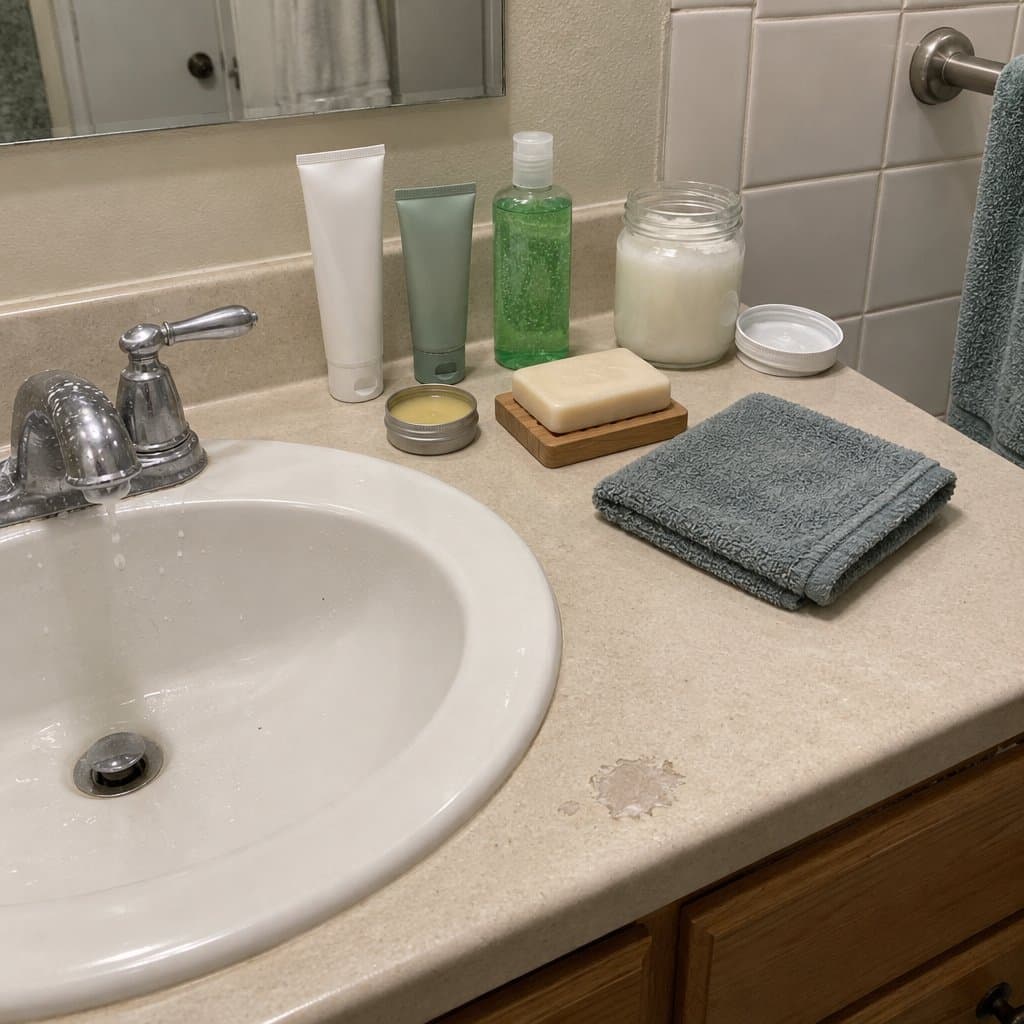
Key Factors to Consider When Choosing Foot Creams
Here are some factors to consider when choosing a foot cream:
Moisturizing Properties
A foot cream should effectively hydrate and prevent dry, flaky skin that can lead to cracks and fissures. Look for ingredients like urea, glycerin, hyaluronic acid, or shea butter, known for their excellent moisturizing capabilities.
Anti-inflammatory and Pain-relieving Properties
If you deal with foot problems like arthritis, inflammation, or muscle soreness, look for foot creams containing ingredients such as aloe vera, chamomile, tea tree oil, or menthol. Check with your doctor or therapist first if you are unsure.
Non-greasy and Fast-absorbing Formula
Choose a foot cream with a non-greasy, fast-absorbing formula to avoid discomfort and reduce the risk of slipping. This type of cream leaves no slippery residue.
Fragrance-free or Mild Fragrance
If you have sensitive skin or breathing issues, strong fragrances can cause irritation or discomfort. Select a foot cream that is fragrance-free or has a mild scent.
Hypoallergenic and Suitable for Sensitive Skin
Consider foot creams made for sensitive skin or labeled hypoallergenic. These are less likely to cause irritation or allergic reactions.
Exfoliating Properties
Dead skin cells can build up on the feet over time.
Look for foot creams containing exfoliating ingredients like salicylic acid, lactic acid, or alpha hydroxy acids (AHAs) to help remove dead skin cells and promote smoother, healthier-looking skin.
Skin Repair and Healing Properties
If your skin heals slowly, it is more open to damage. Foot creams containing ingredients like vitamin E, allantoin, or calendula may help skin repair itself. For any cut, crack, or sore, check with your doctor instead of treating it with cream.
Price and Value for Money
While the price of foot creams can vary, finding a product that offers good value for money without compromising quality is essential. Read reviews, consider ingredient lists, and opt for products with proven effectiveness to ensure you’re getting the most from your investment.
By considering these factors, you can choose a foot cream that suits your needs and preferences.

Addressing Common Foot Issues with Foot Creams
Foot creams and lotions can give relief from some common foot problems. Here are some tips on using them well:
Dry and Cracked Skin
Regularly apply a foot cream with moisturizing ingredients like urea, glycerin, or shea butter to hydrate the skin and prevent dryness.
Exfoliating agents such as lactic acid, salicylic acid, or alpha hydroxy acids (AHAs) can help remove dead skin cells and promote smoother skin.
Swelling and Poor Circulation
If you have swelling or poor circulation, check with your doctor first. Creams with ingredients like peppermint oil, menthol, or eucalyptus oil can give a cooling sensation. Gently massage the cream into the feet.
Arthritis and Inflammation
To alleviate arthritis or inflammation-related pain, choose a foot cream with anti-inflammatory ingredients like aloe vera, chamomile, or tea tree oil. Regular application can help reduce discomfort and inflammation.
Fungal Infections
Prevent or treat fungal infections by using foot creams with antifungal properties.
Tea tree oil, for example, is often used for fungal infections. Apply the cream as directed. If the problem does not clear up, see your doctor.
Foot Odor
Foot creams with antibacterial properties can help control odor-causing bacteria.
Look for ingredients like tea tree oil, lavender oil, or eucalyptus oil, which can neutralize foot odor and keep feet smelling fresh. Apply the cream daily or as needed to maintain odor control.
Diabetic Foot Care
If you have diabetes, foot care is crucial to prevent complications.
Ask your doctor or foot doctor before choosing a cream. Check your feet every day, and call your doctor about any cut, crack, sore or color change instead of treating it with cream. Never put cream between the toes.
Apply the cream regularly to maintain healthy, hydrated feet and reduce the risk of discomfort or infections.
By following these specific tips and advice, seniors and elderly individuals can effectively use foot creams and lotions to improve their foot care routine and maintain healthy, comfortable feet.

Frequently Asked Questions
What are the differences between various types of foot creams?
Foot creams are formulated to address different foot issues, including:
- Moisturizing: Prevents dryness and cracking in the skin
- Temperature regulation: Keeps feet cool during warm weather
- Exfoliation: Removes dead skin cells, revealing moisturized skin underneath
- Antibacterial: Fights bacteria causing odors and infections
- Odor reduction: Minimizes unpleasant smells from sweaty feet
Are there any natural alternatives to foot creams?
Yes, natural alternatives to foot creams include:
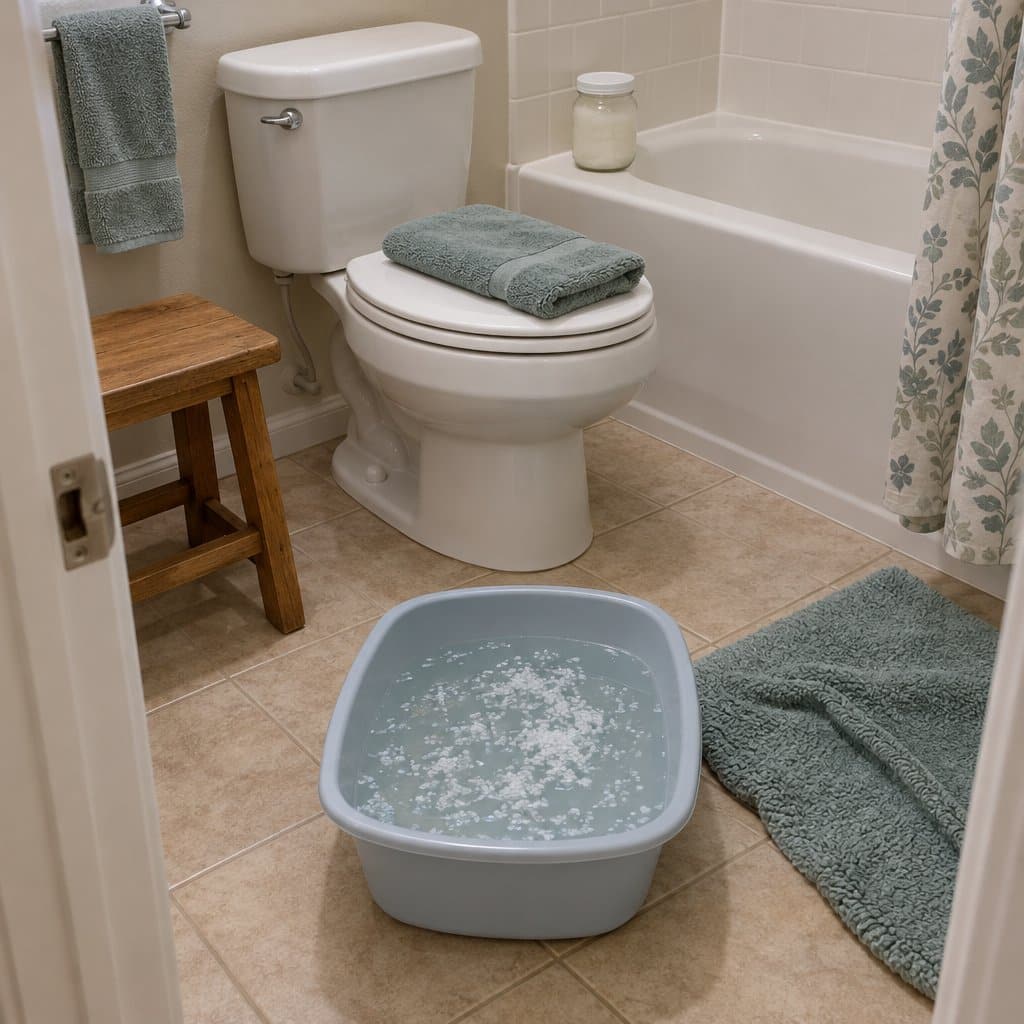
- Epsom salt foot baths: A warm soak can feel relaxing. Check the water with your elbow or a thermometer first. Skip soaks if your feet are numb or you have diabetes unless your doctor says it is fine.
- Apple cider vinegar: Enhances the effects of Epsom salt due to its acetic acid content
- Coconut oil, Shea butter, and aloe vera gel: Offer natural moisturization for sensitive skin
Are foot creams suitable for people with sensitive skin?
Foot creams can benefit seniors with sensitive skin, but it’s essential to research the ingredients to avoid irritation. Natural alternatives like coconut oil, Shea butter, or aloe vera gel can provide moisturizing benefits without causing irritation.
Are foot creams suitable for daily use?
Foot creams can be suitable for daily use, offering moisturizing and preventive benefits when combined with proper foot care, like wearing appropriate shoes and keeping feet clean. However, those with sensitive skin should consult a doctor before starting a daily treatment plan.
Video Guide

Infographic: Foot Creams for Seniors and Elderly

Share on Your Site With This Code:
<a href="https://grayingwithgrace.com/best-foot-creams-seniors-elderly/"><img style="width:100%;" src="https://grayingwithgrace.com/wp-content/uploads/2023/04/Infographic-foot-creams.jpeg"></a><br>Design by: <a href="https://grayingwithgrace.com">Graying With Grace</a>
Audio Article
Conclusion
Foot creams can help with dry skin, blisters and calluses. If you have arthritis, a gentle foot rub while applying cream may feel good, though the cream will not treat the arthritis itself.
When selecting a cream for an elderly individual, it’s important to consider their specific needs. Those with sensitive skin should opt for a product that won’t cause further irritation due to chemicals or fragrances.
On the other hand, daily users may prefer natural ingredients. Ultimately, choosing a cream based on the person’s requirements is key to obtaining maximum benefit.
If you have diabetes, ask your doctor or foot doctor before choosing a cream. Check your feet every day, and call your doctor about any cut, crack, sore or color change instead of treating it with cream. Do not put cream between the toes.