Check out the entire challenge here.
Your feet carry you through every day, and it is easy to forget about them until something hurts. This guide to foot care for active seniors covers the basics in plain words.
You will find how to inspect your feet step by step, how to choose shoes and socks that protect them, and a daily, weekly, monthly and yearly schedule.
It also explains how often to see a podiatrist (a foot doctor), extra care for diabetic feet, foot exercises, and preventing trips and stubbed toes.
Why Foot Care Matters

Maintaining foot health is essential. It helps you stay active and lowers your chance of falls. Wellness isn’t just about the big things. It’s found in small, daily routines like pampering your feet.
Consider this: healthy feet can improve your balance and stability. Simple exercises and stretches keep your muscles strong and may reduce the risk of trips. Feet pampering can also be a good way to check in on your health, as foot conditions can sometimes point to wider health issues.
It’s about your comfort, too. Uncomfortable feet affect your mood and mobility. By taking the time to care for them, you’re investing in your ability to do activities you enjoy. Try a warm soak or a gentle massage. It’s both soothing and a form of self-care. If you have diabetes or numb feet, ask your doctor before soaking.
Remember, foot care is not an indulgence. It’s an important part of maintaining your independence and quality of life. Embrace it, and your feet will thank you by carrying you through all your cherished activities.
Here are a few ways you can care for your feet:
- Gently wash and thoroughly dry your feet daily.
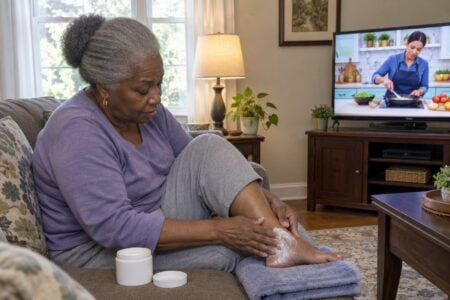
- Moisturize to prevent cracks and keep skin supple.
- Trim your toenails regularly to avoid discomfort.
- Choose well-fitting, supportive footwear to prevent unnecessary strain.
Getting Started
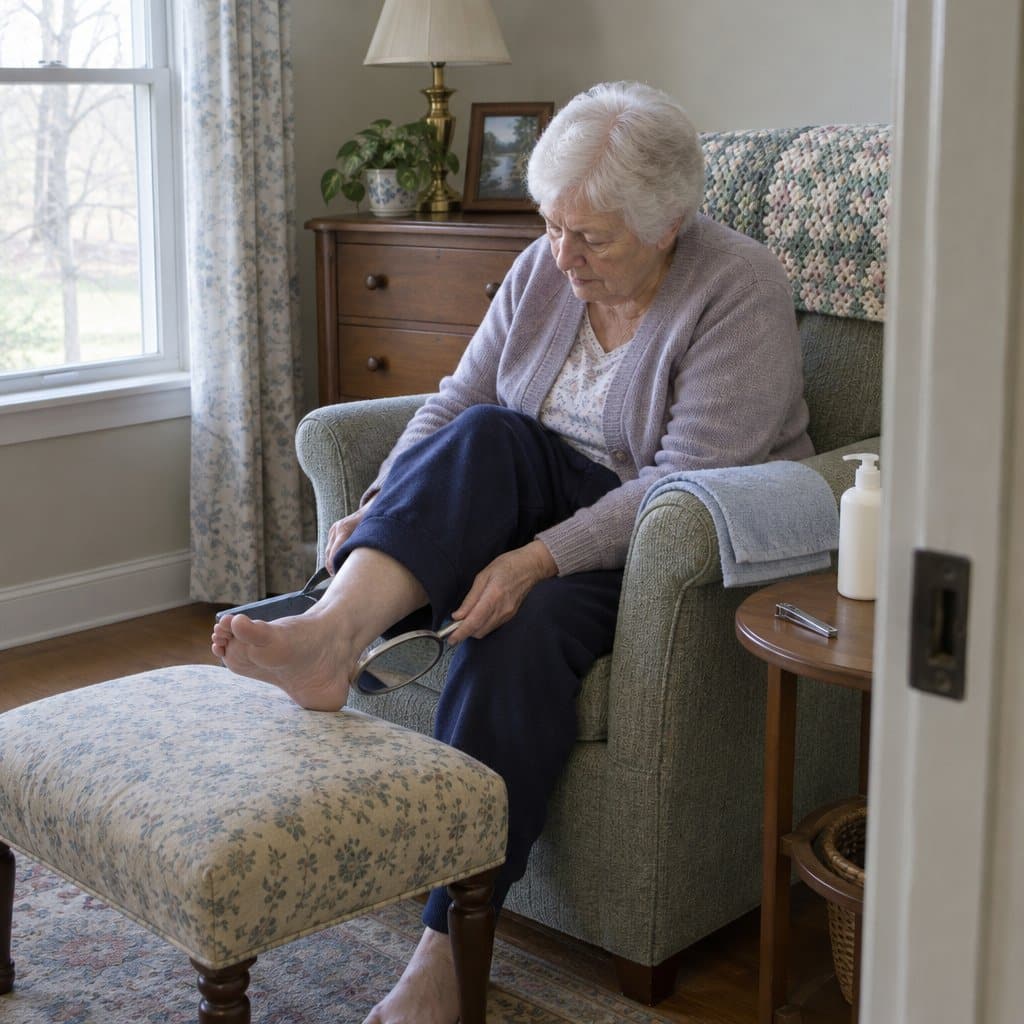
Caring for your feet starts with creating a simple routine. First, select a comfortable place where you can sit and reach your feet with ease.
Keep all your foot-care tools there, so everything is at hand when you need it.
Your toolkit might include:
- Nail clippers: To trim nails straight across and prevent ingrown toenails.
- Emery board: For smoothing nail edges.
- Moisturizer: To keep the skin soft and prevent dryness.
- A small mirror: To help you see the soles of your feet.
Check out the Soulo Nail Trimmer, an easy to use, long handled electric nail trimmer that restores independence in nail trimming for many seniors and older adults. Read my full review or watch my hands-on demonstration video for more information.
Remember to:
- Check your feet daily for any cuts, blisters, or changes.
- Wash your feet thoroughly, especially between the toes.
- Trim your nails regularly, being careful not to cut too short.
It can be helpful to incorporate foot care into your daily routine, perhaps after a warm epsom salts bath or shower when your skin is softest. Test the water with your elbow or a thermometer first. If you have diabetes or numb feet, ask your doctor before soaking, since you may not feel water that is too hot. This way, it becomes a habit and not just another task to remember.
Doing these activities will not only feel good but can help maintain your independence and mobility. It’s a wonderful way to respect and cherish the body that’s carried you through life.
How to Inspect Your Feet, Step by Step
A foot check should not take more than a few minutes, and you can do it at home. Catching a problem early keeps it from becoming a serious one.
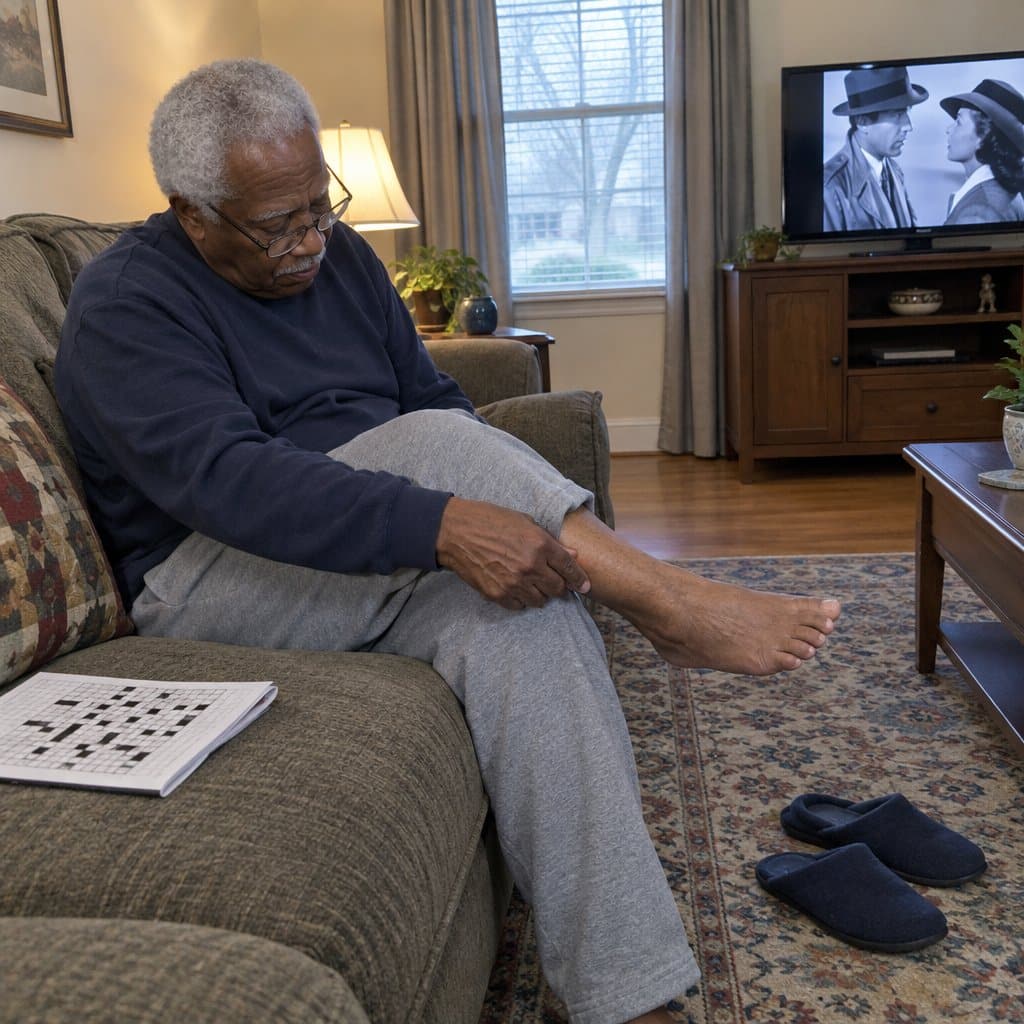
Step one: look for cuts, bruises, blisters, or swelling. Check the bottoms, the sides, and between your toes, and use a mirror if you need one.
Step two: check the temperature and color of your skin. Look for redness, discoloration, or spots that feel warmer than usual. If you find anything suspicious, call your doctor right away.
Step three: feel for lumps or bumps under the skin. Press gently on each area of your feet, and contact your doctor if you feel anything unusual.
Step four: look at your nails for changes in shape, texture, or color. Pain, redness, or a foul odor from the skin or nails can be signs of infection. If you want a refresher on trimming, I wrote about the right nail care for seniors and the elderly.
Once you have looked, take care of any skin problems. If you have diabetes, be especially watchful, because even small cuts and sores can lead to serious complications.
Wash and dry your feet daily, and pay attention to calluses and corns. They can cause discomfort and pain if left untreated.
Moisturize to keep the skin soft, particularly in dry weather. Electric foot massagers can soothe tight, achy feet. If you have diabetes or numb feet, check with your doctor before using a warm foot spa.
Act quickly if something looks wrong. The trade-off is that a foot check only helps if you do it regularly, so pick a time of day that you will stick with.
Choosing Shoes and Socks That Protect Your Feet
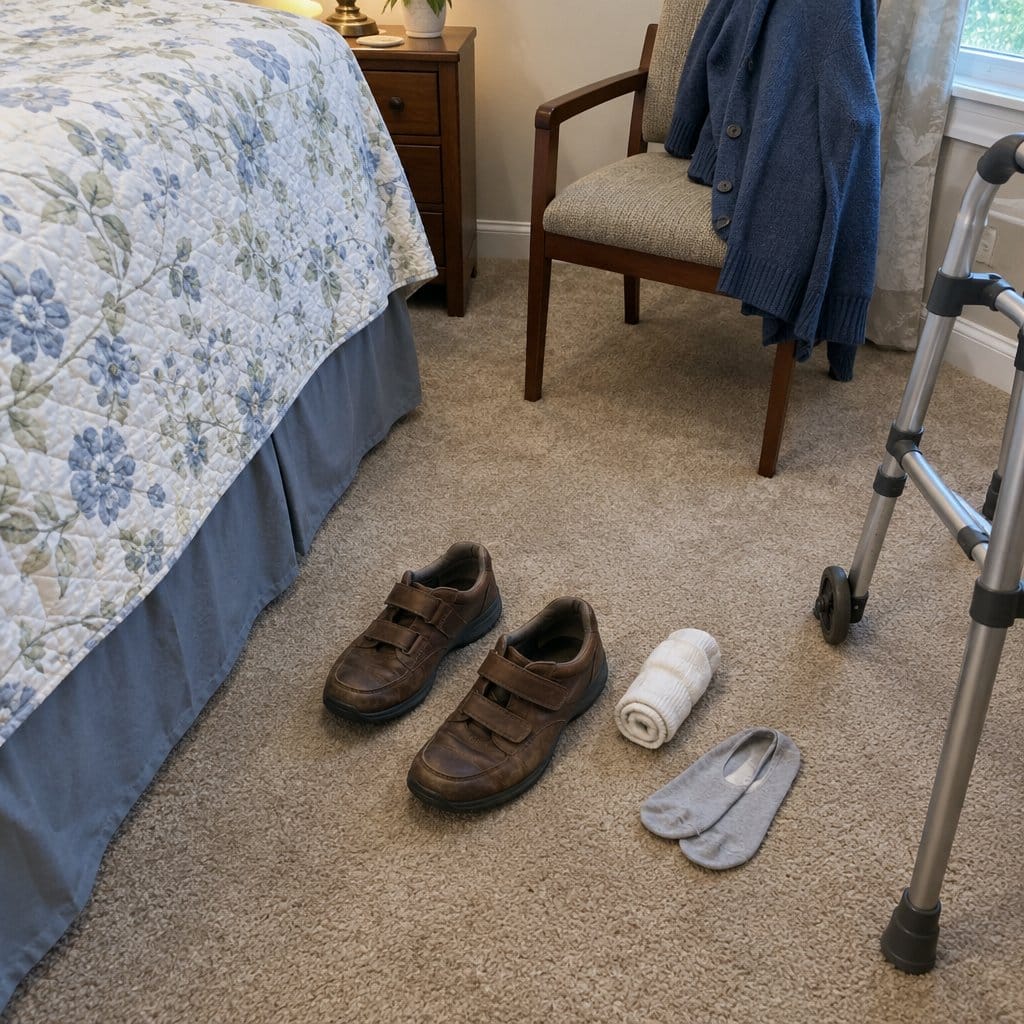
Your shoes do a lot of the work in keeping your feet comfortable. The best shoes to prevent falls are comfortable and supportive, and they let you move freely without pain.
Here is what to look for:
- Good arch support.
- Soft leather or fabric uppers that stretch easily, so the shoes are easy to put on along with your socks.
- Padded insoles and slip-resistant soles.
- Hook and loop fasteners, often called Velcro, which make room for swelling.
Skip pointy toes and high heels. When you shop, try the shoes on in the store so you get the right fit.
Socks matter just as much. Comfort comes first, and natural fabrics like cotton or wool are breathable and soft on the skin.
Polyester and nylon can trap heat, which may irritate your skin.
Fit counts too. Socks that are too tight or too loose can cause blisters or poor circulation, and there are socks made for swollen feet that are soft and non-binding.
Choose socks that are not too thick or too thin, so they cushion your feet and help prevent blisters. If shoe friction or moisture is a problem, thin sock liners let air through and add a layer of cushioning.
The trade-off is that finding the right pair may mean trying on several, and what fits well in one shoe may not in another.
A Daily, Weekly, Monthly and Yearly Foot Care Schedule
Some foot care jobs need doing every day, and others only once a month or once a year. Here is how I would sort them.
Every day:
- Wash your feet with lukewarm water and a mild soap.
- Dry them gently, especially between the toes.
- Apply moisturizer to keep the skin hydrated.
- Put on comfortable, well-fitting socks.
- Look over your feet for cuts, bruises, or signs of infection.
- If you have diabetes, keep your blood sugar managed.
- Do some gentle foot and ankle stretches.
Once a week:
- Trim your toenails carefully with a toenail clipper.
- Do a few simple foot exercises to help with flexibility and pain.
- Check your socks and shoes for wear, and replace them if needed.
- Soak your feet in warm water with Epsom salts if you like. It is optional. Test the water with your elbow or a thermometer first. If you have diabetes or numb feet, ask your doctor before soaking, since you may not feel water that is too hot.
- Use a pumice stone or foot file to gently remove calluses and corns. If you have diabetes, poor circulation or numb feet, do not file calluses or corns yourself. Ask your podiatrist.
Once a month:
- See a podiatrist (a foot doctor) for an assessment, if a specific condition calls for visits that often.
- Ask a family member or friend to look at your feet for signs of problems.
- Check that your shoes still have proper arch support, and replace them if not.
- Pay attention to your diet and whether you are getting enough nutrition, since it matters for your feet too.
Once a year:
- Schedule a routine podiatrist visit to check your overall foot health.
- Review your foot care routine and change what is not working.
- Look at your circulation and skin condition as a whole.
- Get fitted for shoes that give the right support and comfort.
That is a long list written out, but most of it takes only a few minutes. You may not need every item, so ask your healthcare professional which ones fit your situation.
Overcoming Common Challenges
Unfortunately, many of us run into similar, common foot problems. A regular and systematic foot care routine can help many of these issues:
| Common Foot Care Challenges | Impact on Senior’s Life | How to Help |
|---|---|---|
| Dry Skin | Can cause discomfort, itching, and increased risk of skin breakdown. | Moisturize daily after bathing with foot-specific creams. Stay hydrated by drinking plenty of water. |
| Footwear Fit | Ill-fitting shoes can cause pain, sores, or falls. | Regularly measure foot size. Choose comfortable shoes with good arch support and cushioning. |
| Balance and Strength | Decreased foot strength can affect balance, increasing fall risk. | Perform simple foot exercises like toe curls or picking up marbles with toes. Walk daily to maintain foot strength and improve balance. |
| Nail Care | Improperly trimmed or neglected nails can lead to ingrown toenails and infections. | Regularly trim nails straight across and smooth edges with a file. Seek professional help if needed. |
| Corns and Calluses | These can cause pain and difficulty walking. | Use over-the-counter treatments, wear comfortable shoes, and consider professional removal if severe. |
| Foot Swelling | Swelling can cause discomfort and difficulty wearing shoes. | Elevate feet when sitting, limit salt intake, and consult with a healthcare provider if swelling persists. |
| Arthritis | This can cause pain, stiffness, and difficulty moving. | Consult with a healthcare provider for appropriate medication. Gentle foot exercises can also help. |
Remember to check your feet often for any sores or unusual changes and reach out to a healthcare professional if needed. Keeping your feet happy can keep you moving smoothly and confidently for years to come!
How Often to See a Podiatrist, and Extra Care for Diabetic Feet
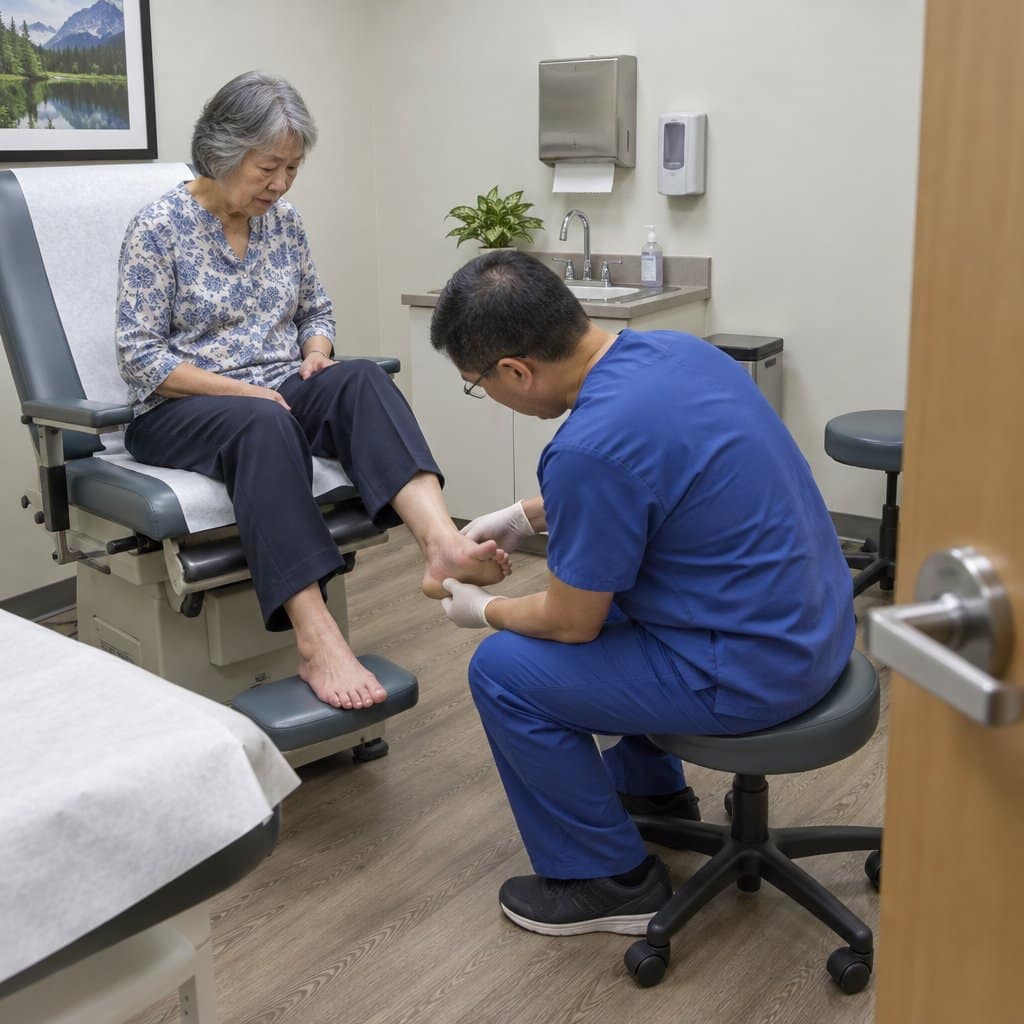
A podiatrist is a foot doctor, trained to look after every part of the foot and lower leg. That includes circulation, which can be a problem for some people.
Most people should have their feet checked by a podiatrist at least once a year. You may need to go more often if you have a chronic condition or have recently had an injury.
Even when nothing seems wrong, a visit can catch problems before they get serious. It is also a chance to ask for advice on caring for your feet day to day, and your podiatrist can tell you what schedule suits you.
If you have diabetes, your feet need more watching, because the risk of foot complications is higher. Good daily care can prevent serious trouble. Here is what matters most:
- Check your blood sugar regularly and follow your healthcare provider’s advice.
- Look at your feet every day for cuts, blisters, redness, swelling, or other signs of infection. Finding something early is the whole point.
- Wear well-fitting, comfortable shoes and socks that reduce pressure and friction. Skip going barefoot, even at home.
- Wash your feet daily with lukewarm water and mild soap, then dry them gently, especially between the toes.
- Exercise regularly, avoid sitting for long stretches, and raise your feet when resting to keep the blood flowing.
- See your podiatrist regularly so any issue is dealt with promptly.
Nail trimming is worth a thought too. I have a guide to toenail clippers for diabetics.
The trade-off is that regular visits take some planning, and they do not replace the daily checks you do at home. Your healthcare provider can give you advice that fits your own situation.
Foot Exercises and Preventing Trips and Stubbed Toes
Moving your feet keeps the muscles that support them working. Regular exercise helps maintain range of motion, and it improves circulation and flexibility too.
Here are five simple ones and what each is good for:
- Toe pointing and flexes: strengthens the toes and improves mobility.
- Foot rolling and massage: stimulates blood flow and eases pain.
- Ankle circles and rotations: improves balance and joint flexibility.
- Calf raises and squats: builds strength and stability.
- Heel raises and marches: strengthens the arches and builds stamina.
None of these needs special equipment. You can do them while watching TV or reading a book, and a few minutes a day is enough.
They are also easy to do with a family member or friend, which makes the time pass faster.
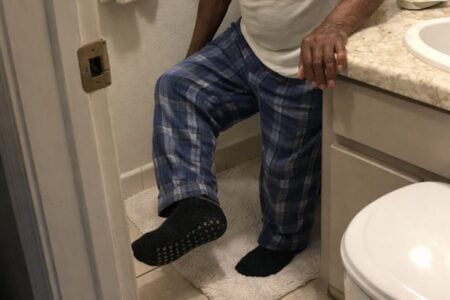
Now for the other half: keeping your feet from getting hurt in the first place. At home, socks with rubberized soles or tread give extra grip on slippery floors.
Shoes or hard-soled slippers add protection and cushioning when you are walking around the house.
Take a look at where your furniture sits. Arranging it so it is less likely to cause trips or stubbed toes costs you nothing but a little effort.
Watch for swelling or pain around your feet and ankles. Those can be signs of an injury, and catching one early means you can get treatment right away.
The trade-off is that exercises and safer habits only pay off when you keep them up, and they are no substitute for a professional if the pain does not go away.
Common Foot Problems and When to Get Them Looked At
A few foot problems are common. Knowing their names helps you spot them early.
Changes to the toenails are one of them. A good pair of toenail clippers helps you keep nails clean and trimmed.
Dry skin can crack and let infection in. Regular lotion or a foot cream keeps skin hydrated, and I have a guide to finding the best lotion for elderly skin if you are not sure where to start.
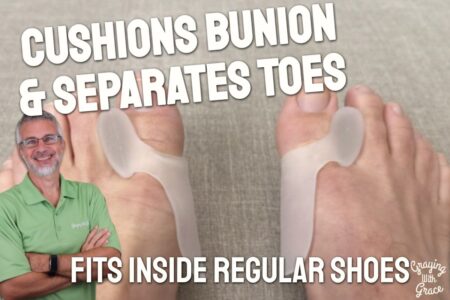
Bunions may need more attention. Sometimes orthotics (shoe inserts made to support the foot) or surgery become necessary.
A few others are worth knowing by name:
- Plantar fasciitis is an inflammation of the tissue in the bottom of the foot, and it can cause pain.
- Heel spurs are calcium deposits on the heel that can be sensitive and painful.
- Neuropathy is a nerve disorder that can cause tingling, numbness, and foot pain.
Daily inspections and regular moisturizing go a long way toward catching trouble early. Seeing a doctor at least once a year for a full exam and screening is a good habit too.
If foot pain keeps going despite home remedies, see a doctor or podiatrist. They can find the source and suggest a plan that fits you. The catch is that none of these problems can be sorted out by looking at them yourself, so a professional’s opinion is worth having.
Making It Enjoyable and Sustainable
You can make a foot care routine more enjoyable and easier to follow in these ways:
- Create a Comfortable Environment: Set up a comfortable and relaxing area for foot care. This could be a cozy chair with a footrest, soothing music, and warm lighting.
- Add a Warm Soak: Start the routine with a warm foot soak, and add essential oils or Epsom salts if you like. Test the water with your elbow or a thermometer first. If you have diabetes or numb feet, ask your doctor before soaking, since you may not feel water that is too hot.
- Incorporate Gentle Exfoliation: Use a mild foot scrub to gently exfoliate the feet. This can help remove dead skin and leave the feet feeling smooth. If you have diabetes, poor circulation or numb feet, do not file calluses or corns yourself. Ask your podiatrist.
- Apply a Nourishing Moisturizer: After washing and drying the feet, apply a moisturizer. This not only hydrates the skin but can also be a chance for a mini foot massage.
- Use Ergonomic Tools: Look for tools that are easy to use, especially if you have arthritis or other hand mobility issues. Tools with larger grips and long handles can make foot care easier.
- Make it a Social Activity: Foot care can be made more enjoyable by doing it with others. This could be with a spouse, friend, or caregiver. This makes the activity more social and less of a chore.
- Reward Yourself: After completing the foot care routine, reward yourself. This could be putting on a pair of cozy socks or slippers, or another small treat. Rewards can make the routine more enjoyable and give you something to look forward to.
Remember, the key to creating a sustainable foot care routine is to make it enjoyable and not just another task to remember.
Here is a suggested weekly footcare schedule for you to formulate your own
Weekly Foot Care Schedule:
| Day | Foot Care Routine |
|---|---|
| Monday | Start the week with a warm foot soak. Add Epsom salts for relaxation. |
| Tuesday | After washing your feet, apply a hydrating moisturizer. |
| Wednesday | Use a mild foot scrub or pumice stone for gentle exfoliation. |
| Thursday | Check your feet for any cuts, blisters, or changes using a small mirror. |
| Friday | Trim your toenails with an angled nail clipper, remembering not to cut too short. |
| Saturday | Incorporate foot exercises into your routine, like toe curls or picking up small objects with your toes. |
| Sunday | Reward yourself by putting on a pair of cozy socks or slippers after your routine. |
Remember, foot care is a way to pamper yourself and sustain your independence.
Time to Step Forward

In conclusion, caring for your feet isn’t just about comfort, it’s about maintaining your independence, mobility, and overall health. Ensuring your feet are well-cared for is a simple act of self-love that can significantly enrich your everyday life.
So why wait? Embrace this routine today.
Start with a foot bath (test the water temperature first, and ask your doctor before soaking if you have diabetes or numb feet), pick a good moisturizer, and pay attention to what your feet tell you. You might be surprised at the difference it can make.
Sharing is caring! If you found this article useful, why not share it on your social media? You could be helping someone else stride forward with more comfort and confidence. And remember, we’d love to hear your thoughts and experiences.
Have any foot care tips that worked for you? Feel free to share them in the comments below.