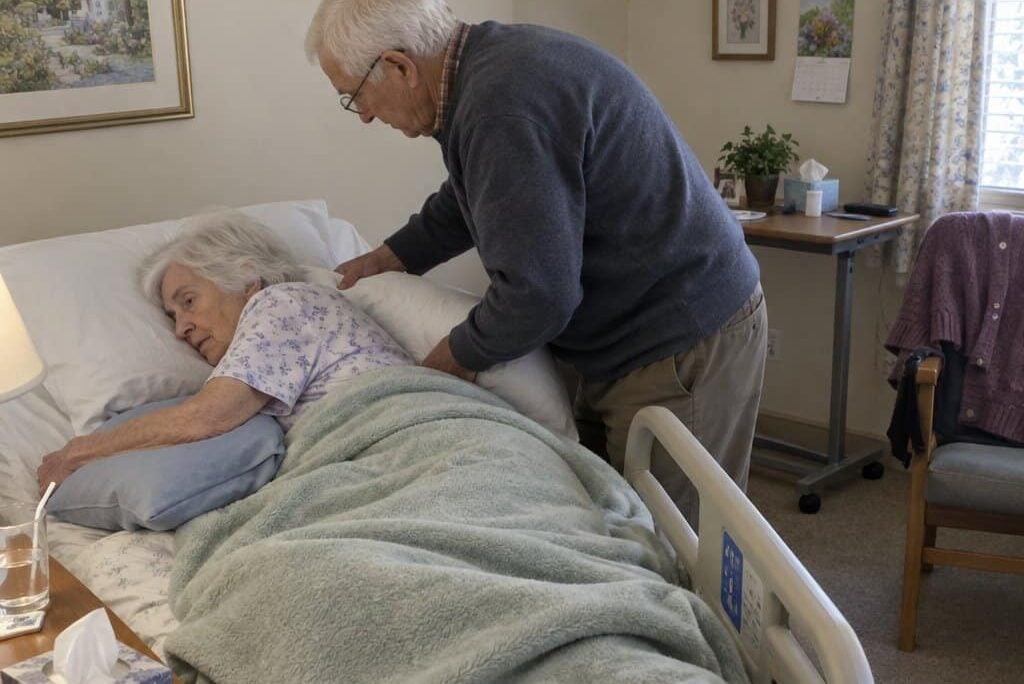
A stroke is when a section of the brain fails to get oxygen due to bleeding or blockage of the blood vessels.
According to the Medical University of South Carolina, 75% of strokes occur in persons above 65 years, which portrays how the chances of having a stroke increase as you age.
The stroke causes the death of some brain cells, resulting in multiple problems such as paralysis of one leg and one arm muscle. Your vision and hearing ability on the affected side of the body is often reduced as well.
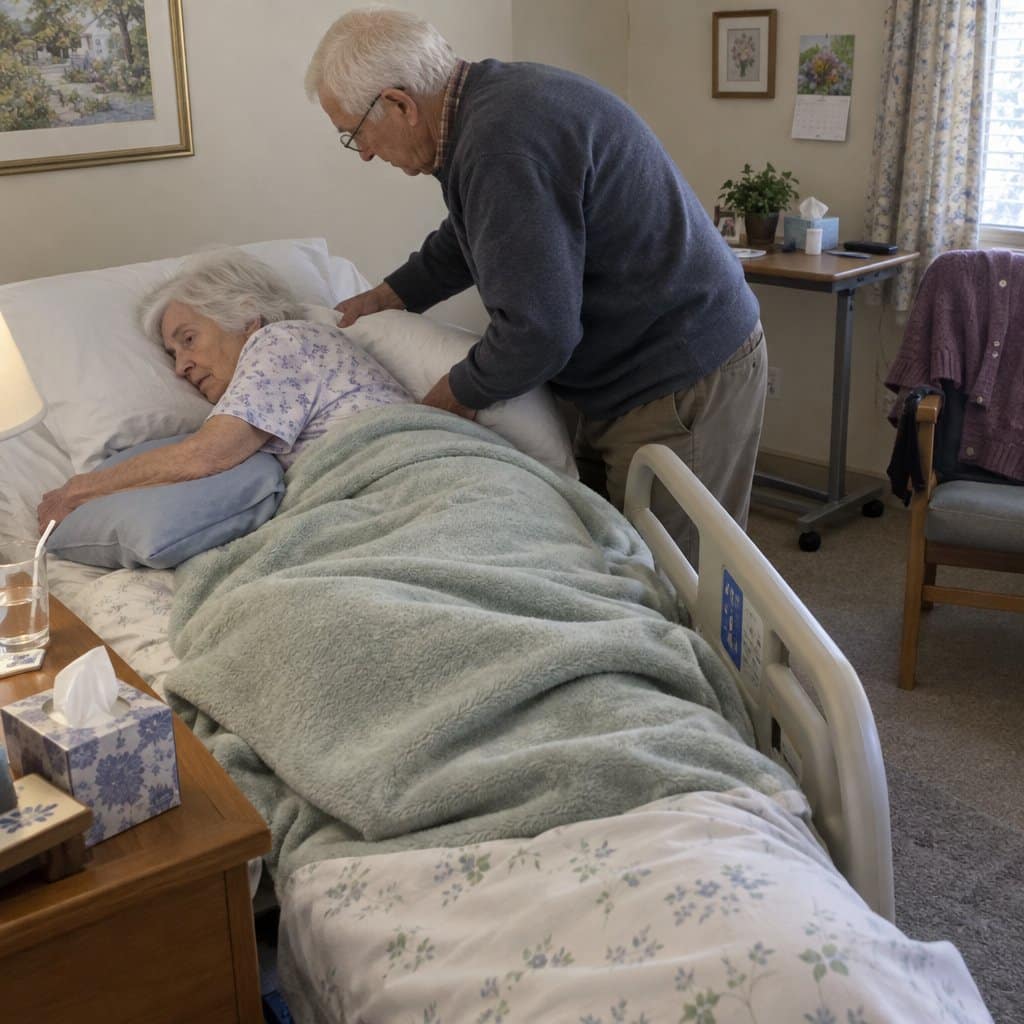
Here is how you can use pillows to position your elderly properly to alleviate the complications of a stroke.
6 Best Pillows For Stroke Patients
If you or an elderly person you love are having difficulty finding a pain-free position, here are six pillows you can use to find a better position – and help you stay there.
Leg Positioner Pillows


Leg positioners do two jobs for someone recovering from a stroke: they keep the legs supported in a steady position, and they lift the feet and knees so blood and fluid don’t pool down there. Swelling in the ankles and feet is common when someone spends most of the day in bed or a recliner, and a little elevation goes a long way.
There are two options here. The Vive Health Leg Rest Pillow is the wider one, built to hold both legs at once. The MEGCXIT wedge has a U-shaped groove that cradles one leg and keeps it from sliding off overnight.
The Vive Health Leg Rest Pillow gives 45 degrees of inclination and stands 8.25 inches at its highest point, with a dual gel-infused foam core, a high-density base underneath, and a zippered knit cover with a non-slip bottom. The generous width is the point here, since both legs sit on it comfortably instead of one leg dangling off the side.
The MEGCXIT Leg Elevation Pillow also sits at a 45-degree incline. It’s made for recovery after knee, hip, or femur surgery, with a memory foam top layer over a high-density foam base and a CertiPUR-US certification on the foam. The U-shaped groove is the difference: it holds one leg in place so it doesn’t roll off while the person sleeps.
A word on what these are not. Neither of these is a turning device, so if your main worry is repositioning someone side to side to prevent pressure sores, you’ll want a turn aid with handles instead, or help from a second person.
The other thing to think about is height. A 45-degree wedge is a real lift, and some people find it uncomfortable to sleep on all night, especially if they have back or hip stiffness. It may work better for a few hours in the evening than as an all-night arrangement. Try it before you commit to it as the permanent setup.
Leg Elevation Pillows


Elevating a leg above heart level helps fluid drain back out of the foot and ankle instead of pooling there. After a stroke, that matters more than people expect, since a weaker leg moves less, and a leg that moves less swells more. A wedge also keeps the leg from rolling outward while someone sleeps.
There are two here, and they solve slightly different problems. The Vive Health Knee Elevation Pillow is built for one leg at a time, with a wide contoured channel that cradles the knee, calf, and ankle. The KingPavonini 4-Height Adjustable Leg Elevation Pillow is a layered wedge meant to hold the whole leg, with the height you choose.
The Vive pillow inclines about 35 degrees and holds the leg still, which is the point when there is a fresh incision, a cast, or a bulky bandage in the way. The channel is wide enough to accommodate those. It is latex-free, high-density foam that holds its shape rather than flattening out under a heavy leg.
Because it supports a single leg, one pillow will not do both legs at once. If the swelling is on both sides, or the person shifts from one side to the other overnight, plan on two or plan on moving it.
The KingPavonini adjusts from 3.5 inches up to 10.2 inches by removing the bottom layer or adding an insert, and the layers come apart from the outside, so you are not wrestling with a zipper. That range is useful because the right height depends on how tall the person is and how high their heart sits when they lie down. Start low and work up.
The top layer is memory foam with gel particles, softer for long stretches of lying still, and the two layers underneath are high-density foam for support. It sits at a 40-degree incline with a U-shaped groove for the leg. If someone has trouble holding a position, a steeper wedge can feel like the leg wants to slide off, so watch the first few nights.
A word on both: a wedge is only as good as where you put it. The knee should rest in the groove, not hang off the front edge, and the heel should be supported rather than pressed into the foam. If a leg has poor sensation on the affected side, check the heel and the outer ankle for red marks every time you reposition, because the person may not feel a pressure point forming.
Wedge Pillows


A wedge pillow earns its keep in two ways: it props the upper body up at an angle, and it lifts the legs. Both matter after a stroke. Sitting at an incline helps with acid reflux, GERD, and snoring, and elevating the legs can take pressure off the lower back and calm restless legs.
There are two here worth knowing about. The Vive Health Bed Wedge is the more adjustable of the two, a 3-in-1 design that stacks into different heights so you can dial in the incline. The Bedluxe wedge is a single 10-inch triangle at a lower price, with a cooling gel-infused memory foam top and a handle for carrying it room to room.
The Vive wedge uses memory foam that contours to the body and returns to its shape. Because the sections come apart, it can go under the knees for support and elevation one hour and behind the back the next. It also works alongside regular pillows rather than replacing them, which helps when someone is recovering from surgery or an injury and needs a little propping in more than one spot. The trade-off is that pieces that come apart can also shift apart during the night, and it costs roughly twice what the simpler option does.
The Bedluxe fits against a headboard, so it’s a reasonable pick for supporting the upper back while reading or eating in bed. The cover is removable and machine washable, which anyone doing the laundry will appreciate. It has built-in pockets for a phone or glasses and a portable handle. Being one fixed piece, though, means 10 inches is the incline you get, and 10 inches is steeper than some people can tolerate for a full night.
A few things to keep in mind with either one. Both ship compressed, and the Bedluxe needs 24 to 48 hours to fully expand, so don’t judge it the evening it arrives. Memory foam holds body heat, which is why the gel layer on the Bedluxe is there, but neither will sleep as cool as a firm flat pillow.
Also, a wedge changes how the head and neck sit. If someone already struggles with neck pain, watch that the chin isn’t pushed down toward the chest, and consider a proper neck support pillow on top of the wedge. And if the person you’re caring for has trouble repositioning themselves or tends to slide down the slope, a wedge may create more work than it saves.

Unlike other bed wedge pillows that might be uncomfortable due to firmness, the Lunix LX5 Orthopedic bed wedge pillow is specifically designed to relieve pain from stroke patients, making them relax and fall asleep.
The Lunix LX5 Orthopedic Bed Wedge pillow features 45D memory foam construction, which allows it to adapt and mold to the body’s height and shape.
This size adaptation means you don’t have to worry about the size of your stroke patient when purchasing the pillow.
The thinned head helps to relieve pressure and pain from the neck. The raised knee rest facilitates relaxation and blood circulation in a stroke patient. The comfortable reclined position aligns your hips, lower back, and neck.
The washable bamboo cover is easy to wash and non-allergic to the elderly. This pillow comes with two vacuum bags to facilitate storage when not in use.
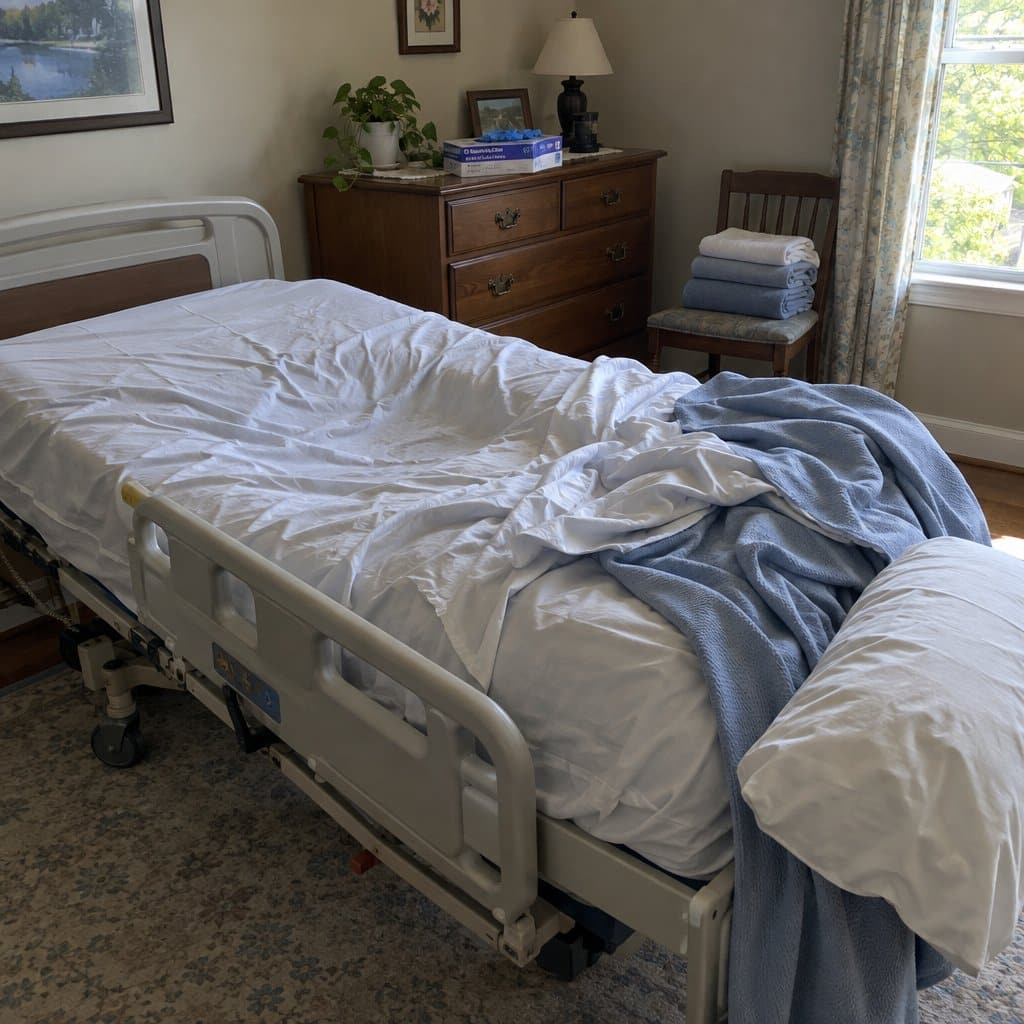

A person suffering from a stroke might not realize when there is improper body alignment. Sometimes the hip joint twists, and there is pressure on the back, which might be causing pain, but they cannot realign the body.
The contour legacy leg and knee support pillow prevents this by supporting the patient’s knees and legs to ensure proper sleeping alignment.
Unlike the conventional memory foam pillows that absorb the body heat for them to compress, this pillow comes with ventilated air holes to facilitate air circulation for a more peaceful night’s sleep.
Considering the numbness in stroke patients, they might not realize when there is excess heat. This pillow solves this by featuring a temperature-regulating technology that removes excess heat from the patient’s body.
The precise tether of the pillow contours without the restricting straps allows your legs to fit naturally. This fitting allows the patient to sleep in any position without restriction.
Cervical Pillows


If shoulder and neck pain is part of the picture after a stroke, a cervical pillow is worth a look. These are contoured pillows with a dip in the middle for the head and a raised roll under the neck, and the point is to hold the head in a neutral position instead of letting it fall sideways all night. Two here are worth comparing.
The Vive Health Cervical Pillow is the simpler of the two. It uses shredded memory foam rather than a solid block, so it cushions without flattening out, and it has a bamboo cover. The shape has a recessed oval and two different neck rolls for back sleeping, plus raised edges meant to keep a side sleeper’s head from tipping down. That makes it a reasonable first try if you don’t know yet what height will work.
The Royal Therapy Memory Foam Pillow measures 24 by 14 by 5 inches. Its selling point is a three-layer design with an adjustable loft, so you can change the height to match shoulder width. That matters more than people expect: a pillow that’s too tall pushes the head forward, and too short lets it sag. If one shoulder sits differently after a stroke, being able to adjust is a real advantage.
A word on the trade-offs. Contoured pillows take some getting used to, and anyone who has slept on a soft flat pillow for fifty years may simply refuse this one, which is their right. Neither of these is built for stomach sleeping, despite what the listings suggest, and neither will keep a body from rolling out of position, so if the bigger problem is sliding or a shoulder that needs to stay put, a body pillow does that job better. Before buying either, measure from the base of the neck out to the tip of the shoulder. That number tells you how much height you need.
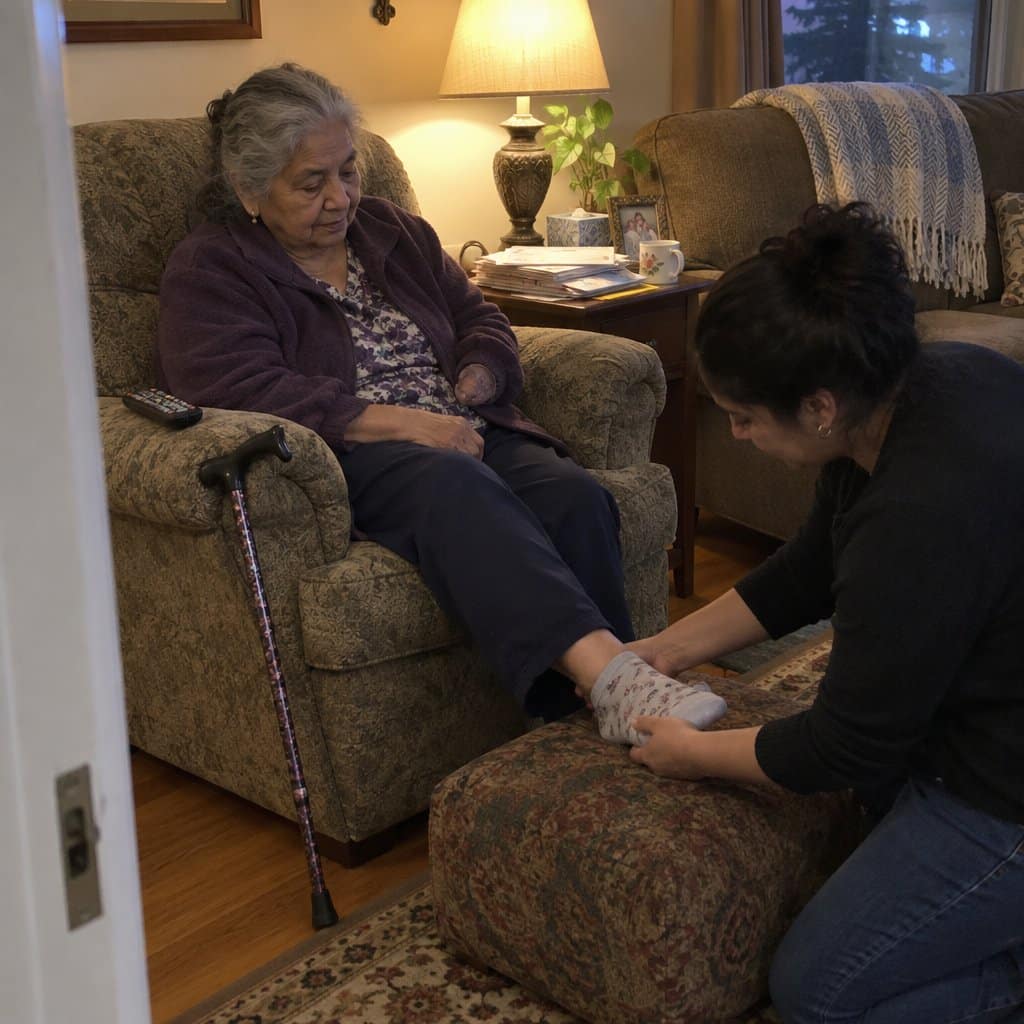
Positioning Matters: Why Good Positioning For Stroke Patients Is Important
Proper positioning helps maintain muscle motion and prevent future pains by ensuring there is no more harm to the affected side of the body.
According to a research study posted by Nursing Times, more than 51% of deaths during the first one month after stroke result from immobility. This goes to show how crucial proper care is after a stroke, especially for the elderly.
Proper positioning helps prevent this immobility by allowing the patient to sit up in bed or lie on different sides. Here are some benefits of good positioning for stroke patients:
- Helps to maintain the proper skeletal alignment
- Corrects, accommodates, and prevents skeletal deformity
- Ensures a stable supporting base
- Enhances tolerance of the proper positioning
- Improves the stroke patient’s comfort
- Stimulates the affected side of the body
- Promotes the correct movement patterns
- Helps to minimize fatigue
- Enhances the functioning of the autonomic nervous system, including the respiratory, digestive, and cardiac system
- Promotes the interaction of the stroke patient with the environment
- Helps to manage pressure
- Improves the spatial awareness
- Reduces the abnormal movement of the limbs
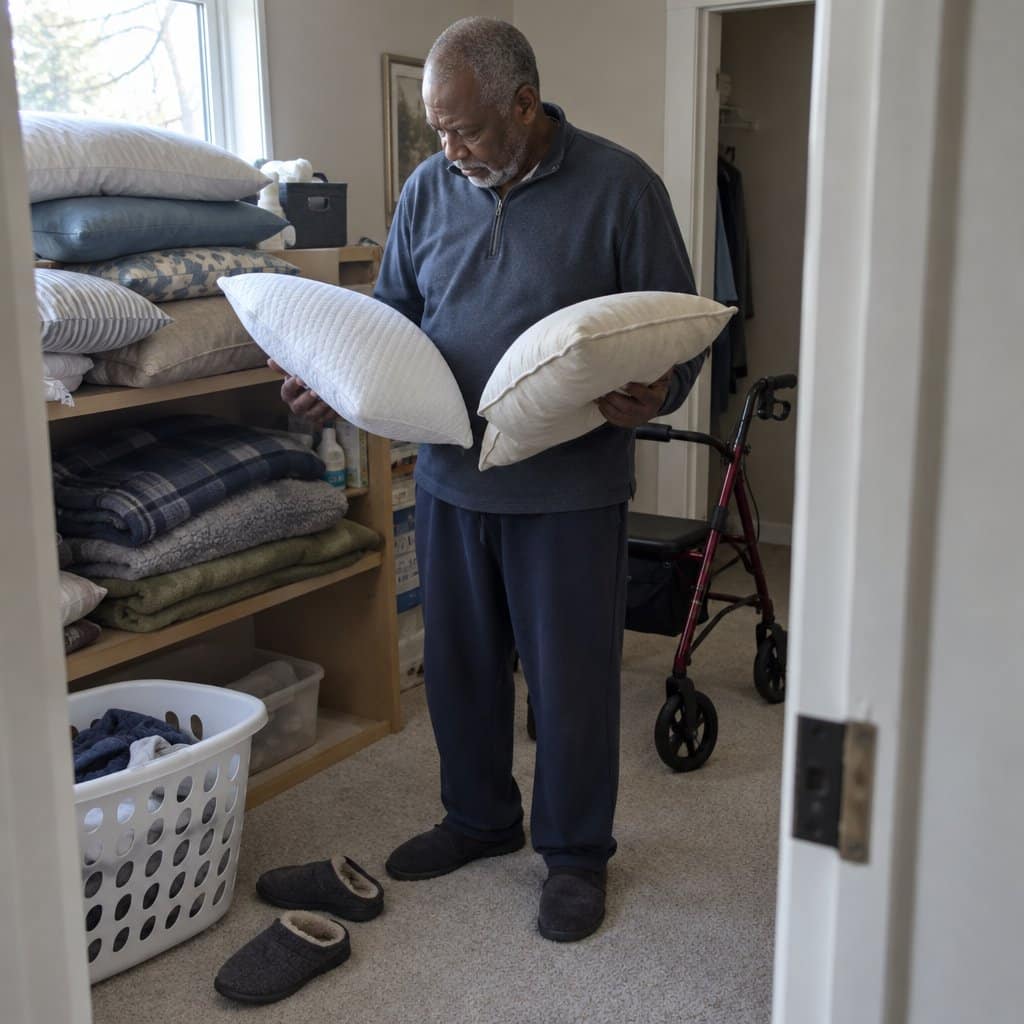
What To Look For When Shopping For Pillows For Stroke Patients
There are some features and attributes you have to consider when shopping for pillows for a stroke patient. Here are some of the things you should consider:
- Ensure that the pillow meets the toxic chemical certifications such as Certi-PUR-US designation
- Ensure that the size, thickness, firmness, and shape of the pillow can support your patient
- Consider buying pillows with washable materials
- If your stroke patient has allergies or sensitive skin, look for pillows that feature non-allergic covers
Conclusion
There are high chances of the elderly suffering from a stroke. Stroke comes with multiple issues, including numbness and inability to move the arm and leg muscles of the affected side of the body.
This numbness makes the patient unaware of the proper body positioning and alignment, leading to blood circulation issues and chronic pains.
Fortunately, the above pillows can help you and your loved ones eliminate these problems by helping to position the elderly patient properly.