
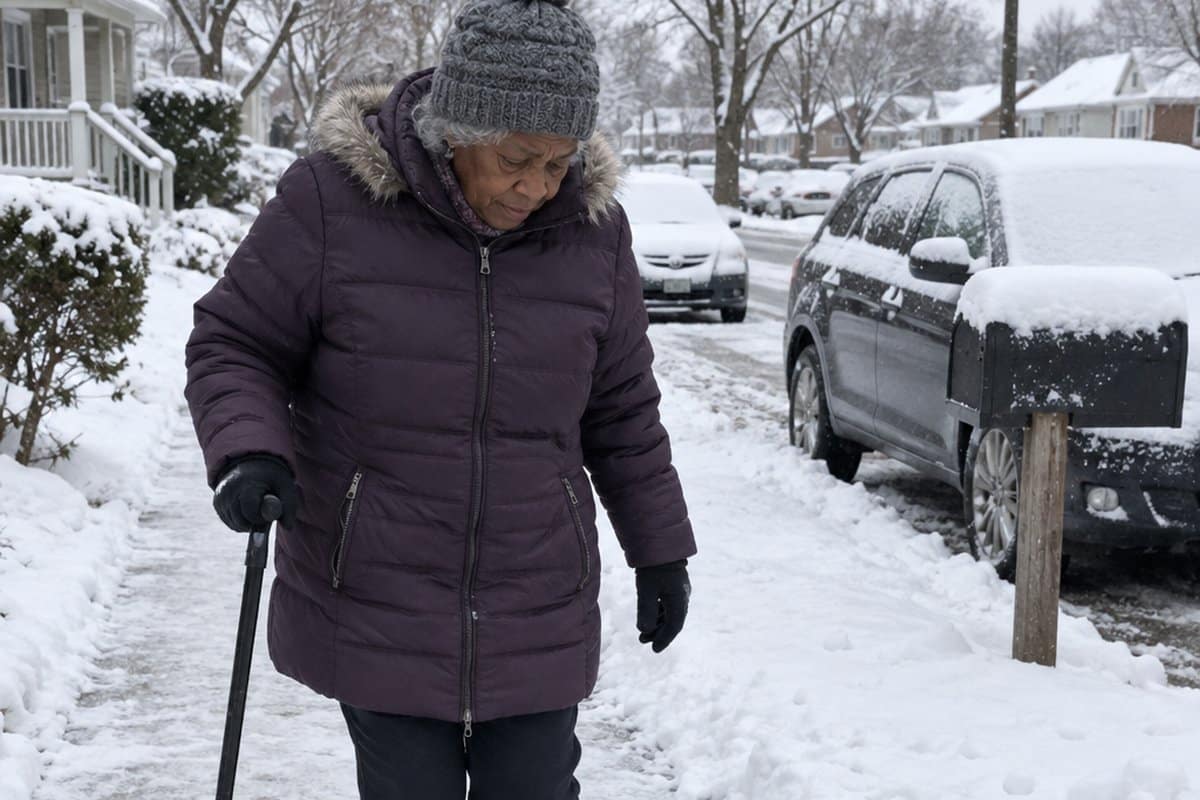
You step outside on a cold morning and wonder whether your boots will hold on the ice. This guide to the best boots for the elderly is meant to help you stay warm and steady this winter.
I cover boots for men and for women, snow boots for plantar fasciitis heel pain, and traction cleats if you would rather keep the boots you own.
I also explain what to look for when you buy, including a wide fit, easy on and off, and good grip.


Winter boots should keep you warm and steady when the temperature drops, and support your feet too.
If plantar fasciitis or heel pain makes every step a chore, I cover snow boots for women that give your heels the support they need.
The key is finding a pair with adjustable closures and slip-resistant soles to prevent falls on icy sidewalks.
Prioritize warmth and comfort over style: look for plush lining and maximum coverage up past your ankles.
Don’t worry about laces; the best elderly boots have velcro straps that accommodate swelling and make them easy to put on.
With the right fit, you’ll stay active and pain-free all winter long. This guide will walk you through the top-rated boot options to keep you safe and comfortable during the cold months ahead.
Reviews of Boots for Senior Men
Here are my recommended boots for older men who need a safer winter walking experience with toasty warm feet.
Orthopedic Waterproof Hiking Boots
These are men’s orthopedic waterproof hiking boots, and they suit a man who walks outdoors in wet weather and wants support underfoot.
The outer fabric is waterproof and blocks rain and mud. The shell is scratch-resistant and protects the toe, which helps on damp trails and slushy sidewalks.
Inside, there is a built-in orthotic footbed with arch support. It is meant to ease plantar fasciitis and heel pain by spreading pressure evenly across the foot, so your feet tire less on a long walk or a long day standing.
The toe box is wide and roomy, so nothing squeezes. That helps with wide or swollen feet. The lining is smooth, which is a plus for diabetic feet because it avoids blisters and skin irritation.
The rubber outsole is thick, with deep lugs that point in several directions. That gives strong grip on mud, rocks and slippery, uneven ground.
The collar comes up to mid-ankle to steady the ankle and help prevent sprains.
One thing to know: these are built as trail boots. If you mostly stay on smooth indoor floors or short paved errands, the deep lugs may be more tread than you need. Make sure the fit is right for you, since a boot that is too loose or too tight defeats the purpose.
Polar Fox Wyatt Engineer Boot

If you like to get outside in winter, you want a boot that is easy to get on and has a grip you can trust.
The Polar Fox Wyatt is an engineer-style ankle boot with buckle straps across the instep and ankle.
Here’s the part that matters most: the buckles are for looks. A full-length side zipper does the real work, so you can slip the boot on and off without fiddling with them. If bending over to tie laces is a chore, that is a real help.
Inside, there is a cushioned insole and a smooth lining. The upper is faux leather, which is easy to maintain.
The outsole is deep-lug rubber, made to give good traction and stability on different surfaces. For a walk on a cold, damp day, a solid grip is what you want under you.
Staying active keeps you healthy, strong, and flexible, and it takes some effort to keep it up. That often means walking, or even hiking for seniors. A boot you can put on easily makes it that much more likely you’ll head out the door.
Now the downsides. This is a style boot meant for casual wear, not a hiking boot. The details don’t mention waterproofing or any special support for diabetic feet, so if you need either one, look at a different boot.
A side zipper can also snag or wear out sooner than laces, so zip it gently. And if you want a plain, quiet look, the buckles may be more boot than you’re after.
If you like a bold look and want a boot that goes on in seconds, it’s worth a look.
Muck Boots Arctic Pro Winter Boots
Winter boots matter because a slip on an icy walkway, driveway, or parking lot can do real harm. A good pair gives you grip, warmth, and a way to get them on without a struggle.
The Muck Boots Arctic Pro Bark is built for serious cold. It is made of 8 mm neoprene, which is a flexible, stretchy material. It is described as waterproof and good at holding in heat and absorbing shock. The boot adjusts to your foot shape to help resist blisters and chafing.
For grip, it has an aggressive outsole called Bob-Tracker, made to be rugged and durable. A lightweight EVA midsole adds cushioning for steps off a curb or across uneven ground.
Warmth is the main selling point. The lining is fleece, and there is 2 mm of thermal foam under the footbed. Muck rates the comfort range from -60 °F to 30 °F, though the listing also gives an upper end of 40 °F.
The boot is 17 inches tall, so it covers well past the ankle and up the calf. A stretch-fit topline snugs around the calf to seal in warmth and keep cold air and debris out. The instep, heel, and Achilles area are double reinforced.
Getting boots on and off can be a chore, and this one has rear pull loops to help with that. There are no laces to tie.
If boots alone don’t feel steady enough on packed ice, here is how to size ice cleats correctly and pick de-icers for your walkway: how to size ice cleats correctly.
Who is this not for? A 17-inch boot is a lot of boot. If you only need something for short trips from the car to the door, or you spend most of the winter indoors, it may be more than you need. A tall, snug pull-on style can also take some effort to get over the foot, so it suits people who are comfortable with that.
Reviews of Boots for Senior Women
Here are my recommended boots for women who are looking for safer, more comfortable winter walking.
Columbia Newton Ridge Waterproof Hiking Boot

The Columbia Newton Ridge Plus Waterproof Amped is a women’s hiking boot with a mid cut. It is a good fit for wet, slushy days when you still want to get outside and walk.
It is built to keep water out. The seams are sealed, so wet snow and puddles have a harder time getting in.
The sole is Columbia’s Omni-GRIP rubber outsole, which is made to grip on many kinds of ground. That matters when sidewalks and driveways are damp and uneven.
Inside the sole is a TECHLITE midsole. It is meant to cushion each step and give a bit of spring back, which can make a longer walk less tiring.
The toe and heel are reinforced. Those are the spots that wear out first on most boots, so this should help them last.
Now the downsides. This is a three-season hiking boot, not a heavily insulated winter boot, so it is not the pick for standing around in deep cold. It also has no special orthotic support built in, so if you have problem feet, you may want to add your own insoles.
If you need a boot that is easy to open with weak hands or arthritis, look closely at how the closure works before you buy. Most hiking boots use laces.
Totes Dalia Insulated Snow Boots
If you want a functional pair of boots that are comfortable and affordable too, check out Totes’ Dalia Snow Boots.
The durable outsole is rugged enough to keep your feet warm and dry while walking in snow or ice while providing slip-resistant traction too. The outer material is water-resistant too providing a protective shell around your feet.
You’ll most likely be able to get these on and off without help. They are easy to slip on and off due to the side zipper closure. If you have arthritis, the zipper handle is rather small but will be easier than tying laces.
These boots have a soft, warming Thermolite sock lining that wicks moisture to keep your feet warm without getting sweaty. There is even a touch of faux fur around the cuff for just a bit of style.
CUSHIONAIRE Hip 2 Suede Ankle Boots
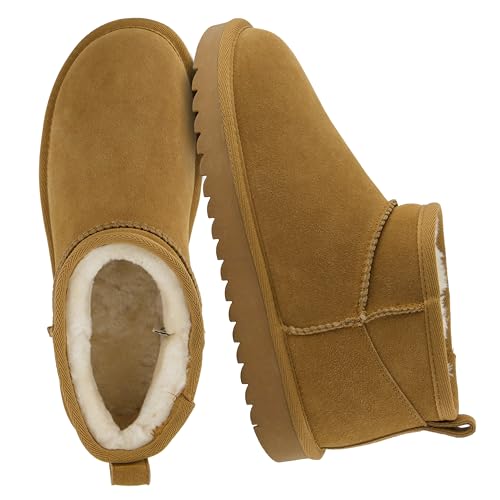
The CUSHIONAIRE Hip 2 is a women’s ankle boot with a genuine suede upper and a faux shearling lining. It pulls on, so there are no laces or buckles to deal with.
The ankle shaft is 3.25 inches. That makes it a good fit for everyday errands and cool-weather outings, and it looks right with jeans or leggings.
The rubber outsole is meant to give steady traction. Cushioned memory foam inside makes the boot comfortable to wear. Good grip matters on cold days, and so do anti-slip features indoors too.
The soft faux fur lining keeps your feet warm. It suits cool days and relaxing at home.
Now the trade-offs. Suede is a soft material, and it is not the same as a waterproof snow boot. The details don’t say these are waterproof, so wet snow and slush are best avoided.
That makes them a better fit for dry cold days, short walks and trips to the car than for deep snow. If you walk on snow often, look for a boot made for that. Our guide to staying safe when walking in winter has more on that.
It is a sensible pick if you want a warm, easy-to-put-on bootie that looks nice and doesn’t look like a work boot.
HOBIBEAR Waterproof Winter Snow Boots
These are a pull-on, mid-calf winter boot for women who want warm, dry feet and a steadier step on slick ground. The boot comes up the calf for added support, and an adjustable lacing system lets you snug up the fit.
The boot is waterproof, with seam-sealed membrane construction to keep out rain and snow. Inside is a moisture-wicking fleece lining and a soft faux fur collar. Cold feet can make arthritis ache and muscles stiffen, so staying warm matters for more than comfort.
The outsoles are made for traction on slippery surfaces, and the details mention grip and stability. There is a cushioned footbed, and the toe and heels are reinforced with leather.
One trade-off: these close with laces, not velcro. If tying laces is hard because of arthritis in the hands, a boot with hook-and-loop straps may suit you better. Once the laces are set, though, the pull-on style means you may not need to retie them every time.
Snow Boots for Plantar Fasciitis Heel Pain
Plantar fasciitis is a common condition that causes a stabbing pain in the heel. It can affect one foot or both.
Comfortable shoes with the right level of support are one of the best ways to manage it. Winter makes the search harder, because you need boots that keep your feet dry and steady on ice as well.
Start with the insole. Look for boots with orthotic insoles that give arch support and several layers of cushioning, which can ease heel pain and give the foot the support it needs. Some have removable gel insoles for extra cushion and arch support.
The sole matters just as much. A lightweight sole softens each step and puts less pressure on your feet. A rubber sole with good traction can reduce the risk of slips and falls, and a stable sole adds to that, as covered in this guide to shoes that help prevent falls.
Look for velcro or hook and loop closures. They make boots easy to put on and take off, even when your feet hurt, and they let you adjust the fit.
Extra depth is useful too. A deep boot has room for orthopedic shoe inserts if you already use them. A fully cushioned collar around the ankle helps, since many people with plantar fasciitis also have ankle pain.
Warmth counts more than you might think, because cold can make foot pain worse. Choose boots that are waterproof and well insulated. Sheepskin is one material that stays very warm in cold, snowy weather, and a pair of socks made for foot pain can add comfort inside the boot.
You don’t have to give up style. Many supportive boots come in several colors, from basic black and tan to brown, red and grey.
Match the boot to your climate. Some therapeutic boots with gel inserts suit milder winters better than heavy snow, while insulated, fully waterproof boots with a grippy sole are the choice for severe cold. A traditional lace-up boot can be hard to get on and off, though it gives a very secure fit and extra support around the arch and heel.
Dr. Comfort Vigor Diabetic Hiking Boot
The Dr. Comfort Vigor is a women’s leather hiking boot, made as a therapeutic diabetic boot with extra depth. It is meant for work or casual wear, and it is rugged enough for outdoor walks.
Two features stand out. The boot closes with a contact (hook-and-loop) strap and also has a no-tie elastic lace, so you can adjust the fit without tying a bow. That helps anyone who finds laces a struggle.
The leather uppers help regulate heat and keep feet cool and dry. The protective toe box is there to guard against stubbed toes.
One trade-off: this is a leather boot built for general wear and light hiking. If you need serious insulation for deep snow and bitter cold, look at a dedicated winter boot instead.
Traction Cleats: An Alternative to Buying New Boots
Yaktrax Pro Traction Cleats
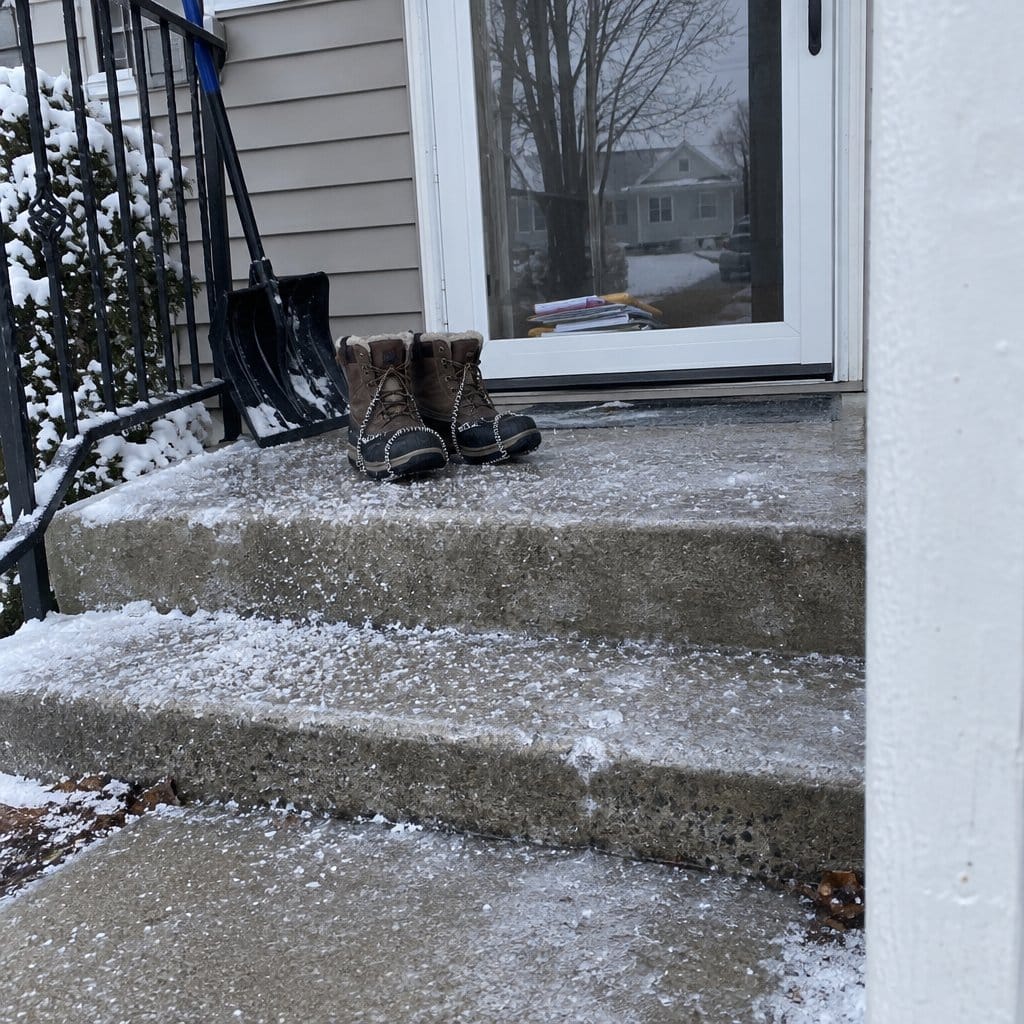
YakTrax are nifty little gadgets that slip over your existing boots and shoes to improve traction on snow and ice or when hiking on rougher surfaces.
Got a pair of shoes or boots that you already like? But you wish they had better traction for the winter months? You might want to give YakTrax a try.
These clever little gizmos fit over the soles of your existing boots or shoes and use metal spikes and coils to increase your traction on snow and ice.
Why Boots Are Worth the Investment
Well-made winter boots can be on the pricey side. You may ask, “Why should I pay so much for these? What makes these so much better than any other boots?”
But when you think about the value a great pair of boots adds to your winter, it becomes clear they’re worth the investment.
The first reason boots are worth the money is their lining. In order to protect feet and ankles from frigid temperatures, manufacturers have to use high-quality materials like faux fur, omni-heat metallic material, or quilted lining.
All of these materials contribute to high-level heat retention, keeping your toes warm and dry throughout the winter season, and for years to come.
Another element of this investment is the way that winter boots can increase your balance and improve your stability.
Boots with great grip and a sturdy build help you stay on your feet in slippery, snowy or icy conditions. That can prevent a painful fall.
Bottom line: a good pair of winter boots is worth the price because it keeps your feet warm and your steps steady.
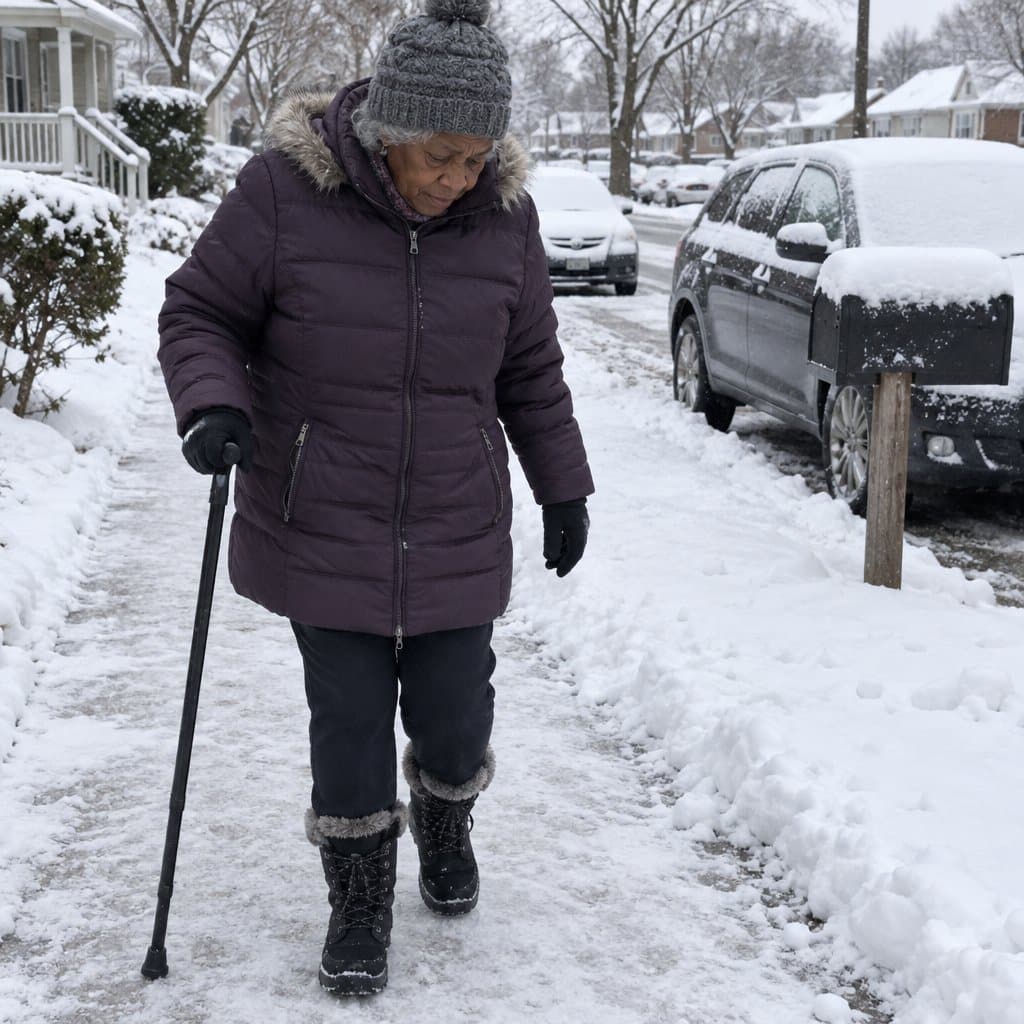
Buyer’s Guide: Boots for the Elderly

But how do you know what to look for in boots? Here’s an easy to follow guide. Before buying a pair, check off all these points. Here is what to look for:
Wide Fitting
This is perhaps the most important element to consider when buying your boots. Make sure to look at the sizing charts for each individual company to see what would work for you, and even then you might want to go up a full or half size.
Feet can swell, especially with certain medical conditions, so going bigger is usually safer. This allows space for nice big cozy winter socks, too!
Easy On and Off
If bending to tie laces is hard, look for boots that pull on or close with velcro or a zipper. There are also options for shoelaces you do not have to tie.
Also, make sure your boot has a wide opening at the mouth of the shoe. This makes them easier to put on but also accounts for potential ankle swelling.
Non-Slip Boots for Good Traction
For staying safe in winter, a non-slip, secure grip on the bottom is a must when it comes to winter boots.
To avoid dangerous slips on icy pavement, look for rubber soles with patterned designs. These keep you balanced and secure just like good walking shoes.
Shock-Absorbing Soles
Along those lines, if you can find a sole that also absorbs shock, that’s even better! The sole takes up some of the impact of each step, which can reduce discomfort and help you feel steady in your stride.
Breathable but Warm Lining Materials
As mentioned above, look for quality linings like quilt, faux fur, or omni heat metal mesh lining to keep your feet dry and toasty, but also comfortable, in the cold. The right pair of boots should be as cozy as your favorite pair of slippers.
Boots with Little to No Heel
Heeled shoes can cause pain in the feet and ankles by putting extra pressure on the ball of the foot and the ankle. So when you’re looking for boots, try to find ones with no heel at all, or at least less than an inch.
Boots that Are Easy to Care for
Keep the boots as low maintenance as possible when it comes to cleaning. They should be waterproof and stain resistant, and any salt or slush should wipe right off of them so that they’re ready for their next use with little to no cleaning involved.
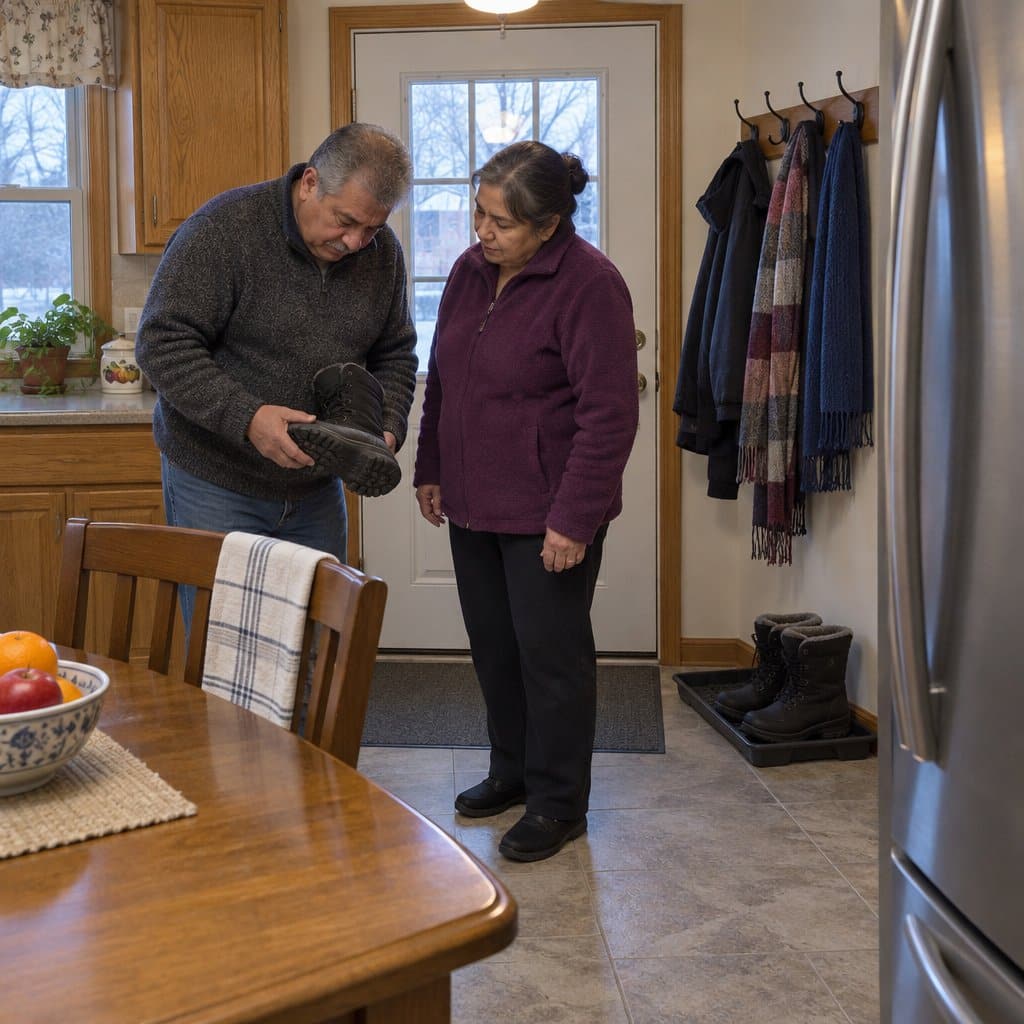
Summary and Final Recommendations
As always, if you have specialized foot issues that need to be accommodated with your new boots, consult your podiatrist for recommendations.
But if you’re just looking for some casual, quality boots, keep the criteria mentioned above in mind, and check out my recommended picks.
Like a good pair of shoes inside your home, the right boots can reduce the chance of falls and injuries. Bottom line: a good pair of winter boots is worth the price because it keeps your feet warm and your steps steady. Enjoy the snowy season!
Do you have any recommendations for winter boots for seniors? Tell me about your experiences shopping for boots and what ones you decided on. Also, if you found this guide helpful, please share on your favorite social media!







I need boots that will go over full foot and leg braces.
This article was perfect for me. I’m 67 and just moved to the NE. I’ve never lived anywhere that it snowed, so I wanted detailed information. The author’s credentials and experience with seniors and DME gave me confidence in his suggestions. The fact that he’s a grandfather didn’t hurt either!
Thank you.
Hi Dianne! Thanks so much for the comments and your faith in my recommendations! – Scott