You walk past a patch of dirt and wonder if you could grow something in it, but you are not sure where to begin. Community gardening for seniors is a friendly place to start, with fresh air, neighbors nearby and plenty of help. This article covers how to find and join a community garden, what the commitment looks like, and how to set up a garden at home. It also covers easy plants to start with, a simple herb garden on a windowsill or balcony, and gardening at home for well-being, indoors or out.
Key Takeaways
- Accessible design and local support make starting easy.
- Community gardening fosters health and social connections.
- Gardening offers a rewarding experience for all ages.
Gardening in a community setting allows you to cultivate plants, friendships, and a sense of community while enjoying the fresh air.
Starting a community garden can seem like a big task, but it’s quite achievable with the right planning and support.
Considerations like accessible garden design ensure everyone can participate, regardless of mobility issues.
Plus, local resources and funding can often be found to help get your garden off the ground, making it a true community-led venture.
If a garden plot is not an option, this article also covers setting up a garden at home, easy plants to start with, and a simple herb garden on a windowsill or balcony, plus how gardening at home, indoors or out, helps your well-being.
Benefits of Community Gardening for Seniors
Community gardening is a joyful activity that offers you a mix of fresh air, physical exercise, and social interaction. Here’s how digging in the dirt can do wonders for you:
| Benefits | Drawbacks |
|---|---|
| Physical Health: Gardening is a form of low-impact exercise, which can improve mobility and dexterity. | Physical Strain: Gardening requires bending, lifting, and other movements which could cause strain or injury, especially for individuals with pre-existing conditions. |
| Sunshine and Vitamin D: Exposure to sunlight during gardening helps the body produce Vitamin D, essential for bone health. | Risk of Sunburn: Overexposure to sunlight can lead to sunburn and increase the risk of skin cancer. It’s important to use sun protection like hats and sunscreen. |
| Mental Well-being: Gardening can reduce stress levels and improve mood, providing a therapeutic environment. | Time Commitment: Maintaining a garden requires regular attention and work, which may be too time-consuming for some individuals. |
| Cognitive Health: Learning about different plants and their care can keep the brain active and engaged. | Learning Curve: There’s a lot to learn about gardening, which might be overwhelming for beginners. |
| Socializing: Community gardens foster a sense of community and provide opportunities to make new friends. | Social Conflicts: Interactions in a community setting may occasionally lead to misunderstandings or conflicts. |
| Fresh Produce: Gardening allows access to fresh, locally grown produce, which is healthy and nutritious. | Irregular Harvests: Depending on various factors like weather and pests, the quantity and quality of produce can be unpredictable. |
- Physical Health: Gardening is a gentle way to stay active. You’ll find yourself bending, stretching, and walking around, which can improve your mobility and dexterity. Plus, it’s a heart-healthy pastime, helping your circulation and strength.
- Sunshine and Vitamin D: While tending to your plants, you’ll soak up the sun. This helps your body with vitamin D levels, crucial for healthy bones.
- Mental Well-being: Tending to a garden can reduce stress, giving you a sense of peace. It’s much like meditation, aligning your thoughts with the rhythmic motions of gardening.
- Cognitive Health: Learning about different plants and how to care for them keeps your brain active. You’re continually strategizing and solving little problems in the garden.
- Socializing: Working in a community garden means you’re never alone. You’ll meet folks with similar interests and forge new friendships, keeping loneliness at bay.
- Learning and Sharing: There’s always something new to learn in a garden. Seasoned green thumbs often share tips, and you can pass on your own advice too.
- Nutrition from Fresh Produce: You get to enjoy the literal fruits (and veggies) of your labor. Your meals can be packed with what you’ve grown, which is both satisfying and nutritious.
Getting Started with Community Gardening
Beginning your journey into community gardening can open up a world of camaraderie and fresh produce. Let’s make sure you find the right garden, understand what you’re signing up for, and assess if it suits your physical capabilities.
Finding a Community Garden
To start, you’ll want to find a local garden where you can plant your roots.
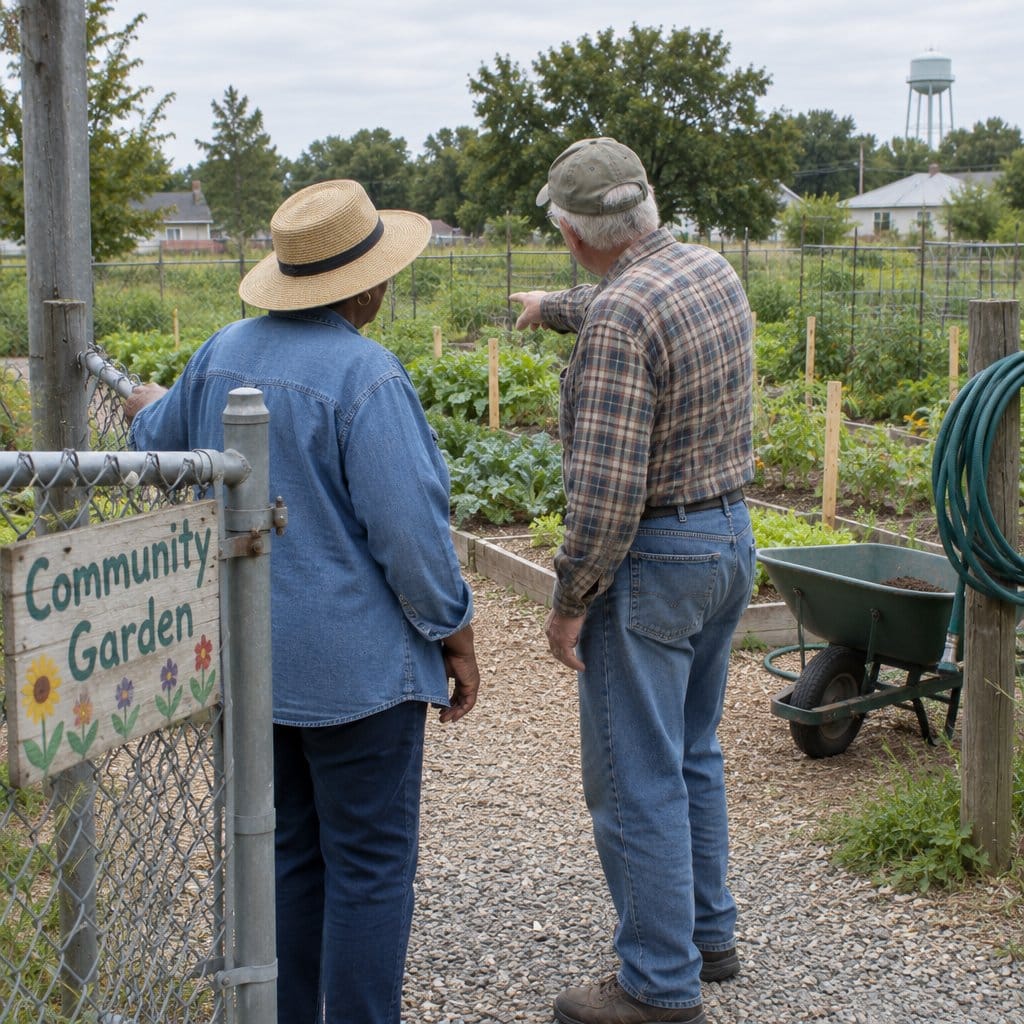
Community gardens often have websites with contact information, or you might spot them in local parks and shared spaces.
A little internet search or a chat with neighbors can point you in the right direction. Not all community gardens might be listed online, so check out a community garden near you or drop by a local community center to get the latest scoop.
Understanding the Commitment
Community gardens require a team effort. Before digging in, familiarize yourself with the garden’s schedule, rules, and dues.
It’s a commitment of not just time but effort to plant, water, and harvest. However, learning about community gardening and how it works will equip you with all you need to know to join and enjoy the shared responsibilities alongside fellow gardening enthusiasts.
Assessing Physical Ability
Gardening is gentle on the body but involves some bending and occasional lifting.
Consider the tasks, such as planting seeds or pulling weeds, and decide what’s manageable for you.
Tools and resources available at gardens designed for seniors can make this hobby a pleasure without strain.
It’s all about finding balance and enjoying the fruits (and veggies!) of your labor.
Setting Up a Garden at Home: Spot, Plants and Supplies
A community plot is one way to garden. You may also want a few plants at home, and the setup is simple.
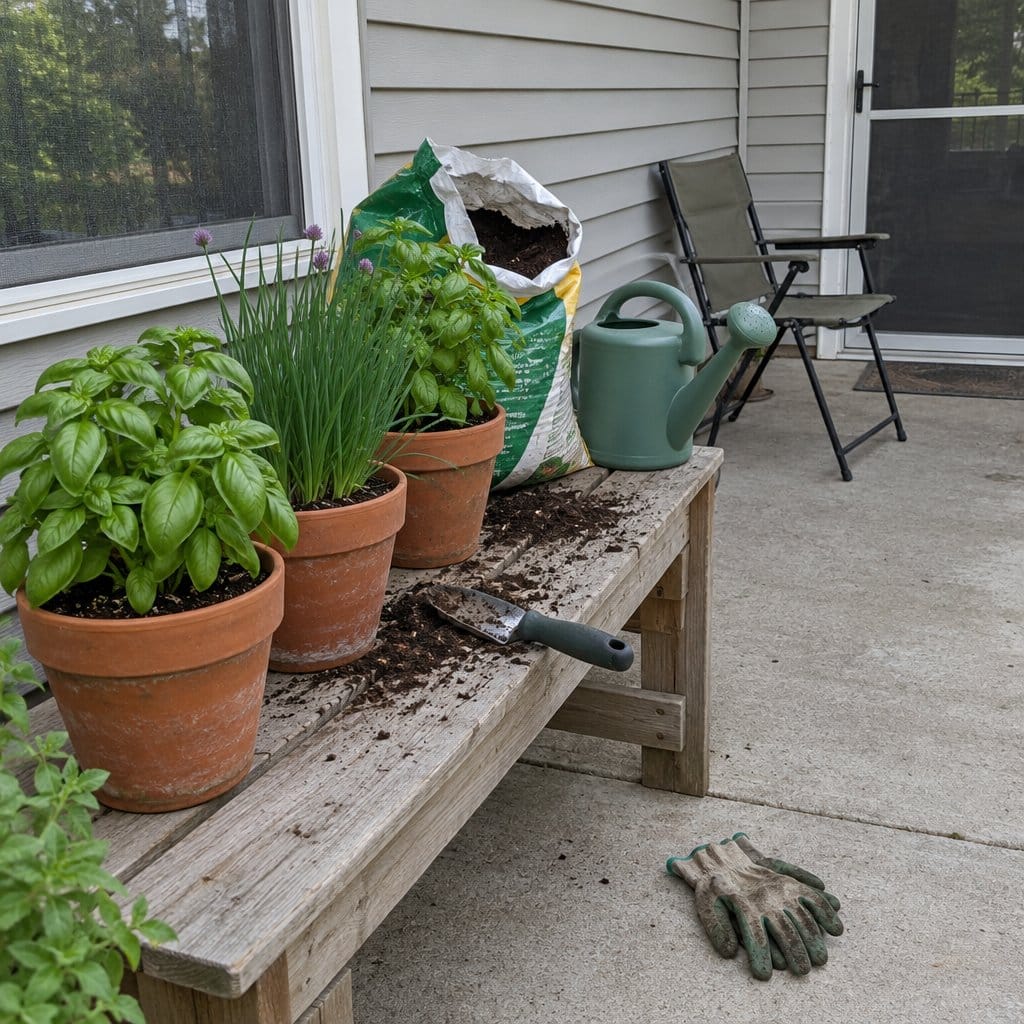
Start with a spot that gets good light. That can be a sunny window for indoor pots or a nice place in your yard.
You might find raised beds or containers easier to manage. They sit at a comfortable height, so you bend and kneel less.
For plants, begin with something low-maintenance. Herbs like basil or chives grow well in small spaces and come in handy in the kitchen.
Outdoors, perennials are a good pick because they return each year.
Then gather your supplies:
- Pots or planters with drainage holes.
- Soil: potting mix for containers, or garden soil enriched with compost.
- Tools: trowels or garden forks that are easy to grip.
The trade-off is that a small start means a small harvest. Even so, a few pots are a gentle way to find out what you enjoy before you take on more.
Garden Design for Senior Accessibility
Creating a garden that you can enjoy and navigate easily is key. Thoughtful design can make gardening a rewarding activity for you for years to come.
Raised Beds and Vertical Gardening
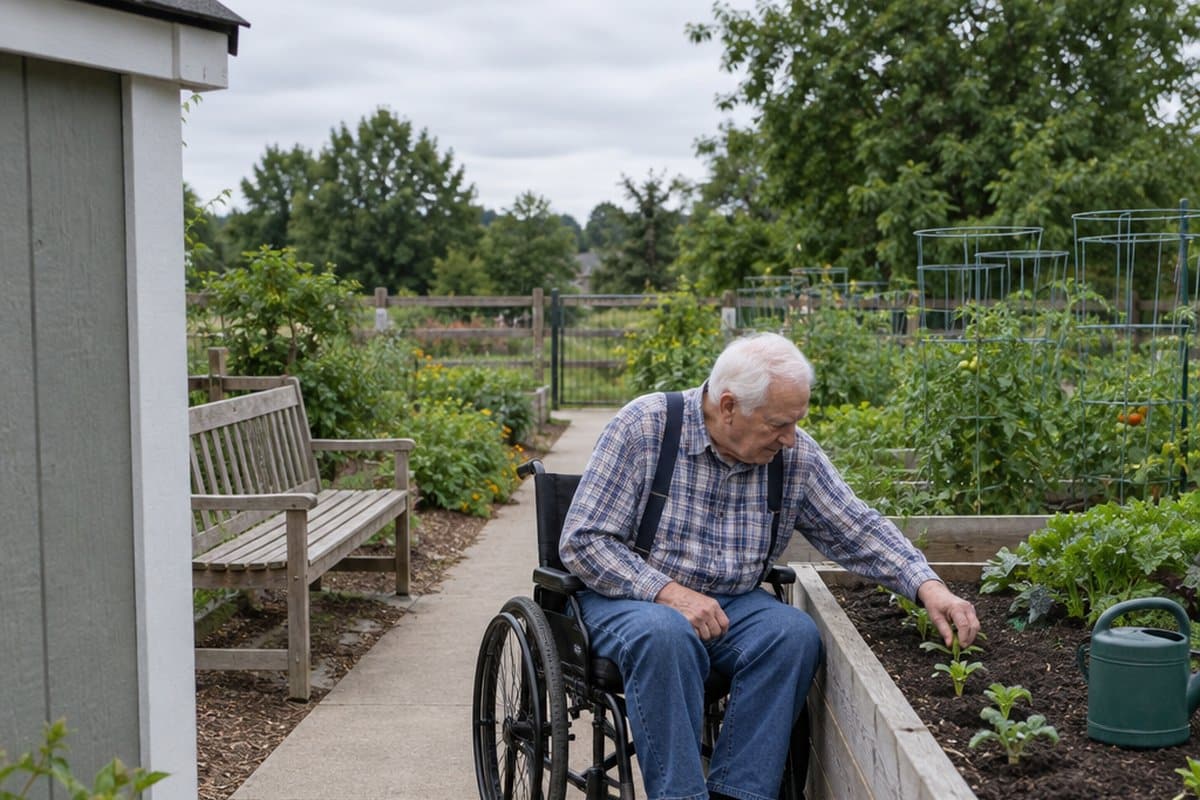
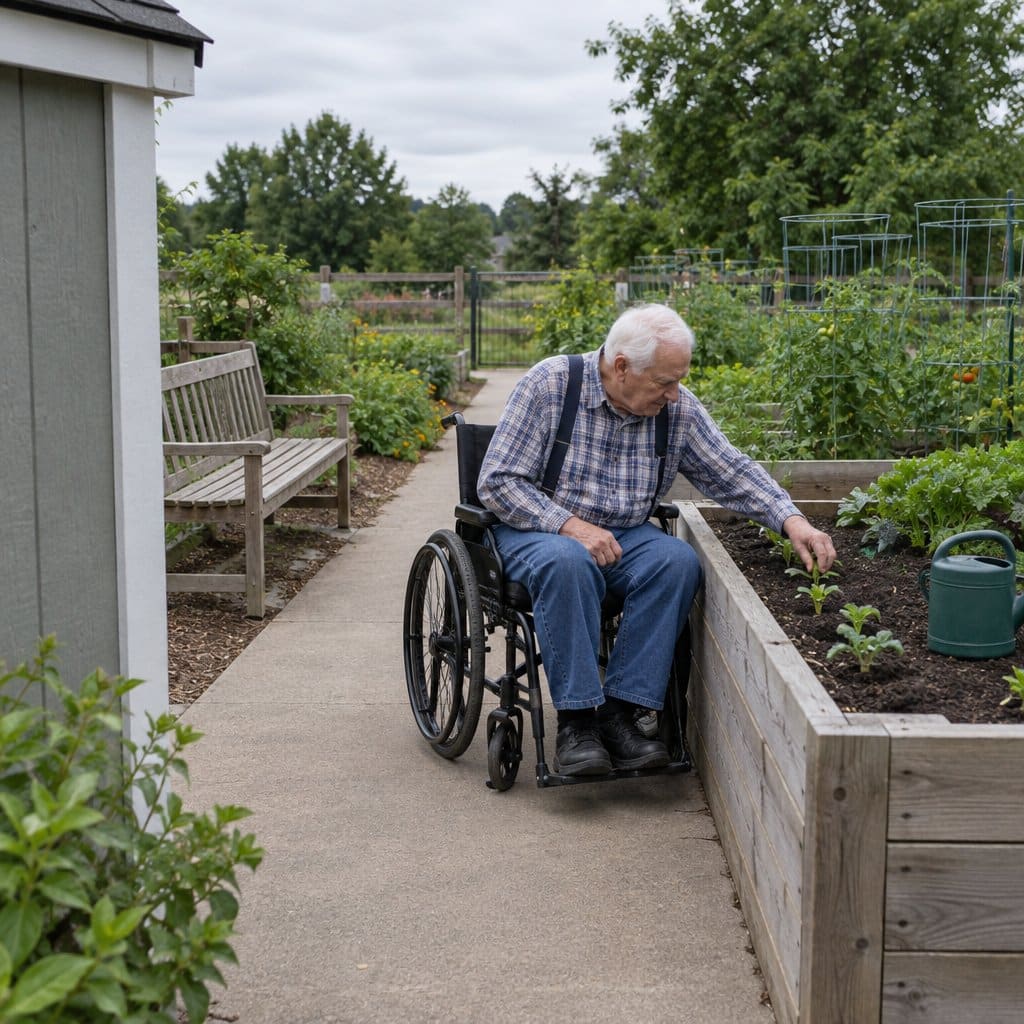
Raised garden beds are at the perfect height to avoid the strain of bending over. Not only are they comfortable for you, but they also allow for better soil management.
Vertical gardening takes up less space and can bring the joy of gardening to even the smallest patios or balconies.
Pathways and Seating
Smooth, wide pathways that are wheelchair accessible let you move about your garden without worry.
Ample seating allows you to rest and admire your work or to comfortably work on low-to-the-ground tasks without the need to crouch or kneel.
Tools and Equipment
Choosing the right tools makes all the difference.
Look for ergonomic tools with padded handles and easy grips to reduce hand fatigue.
Lightweight and extendable tools will let you reach far and high without the extra strain.
Gardening Activities for Seniors
Community gardening offers seniors a wonderful mix of physical activity and social interaction. It’s a perfect setting to cultivate plants and friendships, too.
Plant Selection
Choosing the right plants for your garden is crucial.
Opt for easy-to-maintain perennials or edible plants, like tomatoes and herbs. That way, you can enjoy your labor’s fruits (and veggies!) with minimal fuss.
Gardening Workshops
Join a gardening workshop to learn new skills or brush up on old ones.
These classes often cover topics like composting, pest control, and garden design, all super useful for making your garden thrive.
Social Events and Activities
Engage in community gardening projects to make new friends and give back to the community.
These events are great spots for fun and learning, from seed swaps to harvest festivals.
Gardening at Home for Well-Being, Indoors or Out
You do not need a community plot to get the good feeling that comes from growing something. A bright flower on a windowsill or a fresh herb in a pot can bring a real sense of happiness to your home.
Whether you have a large backyard or a small balcony, there is room for a new plant. Caring for one means learning about it and watching it grow, with something new to notice each season.
Plants can also be good company. They rely on your care, and in return they give you a sense of companionship and purpose.
Gardening keeps your mind busy, too. Learning about different plants, or working out the best spot for a new flower, gives your brain something to chew on. Tasks like potting, planting, and watering keep your body moving, and they can lift your mood.
If bending or kneeling is hard, raised beds or elevated planters let you garden with no bending at all. Table-top gardening works the same way. Tools with easy-grip handles help as well.
Pots and window boxes are a fine answer if you worry about lacking space. Container gardening also lets you move your plants to catch the sunniest spots.
If learning new skills feels like a lot, join a local community class or look for online resources aimed at beginners.
The goal is not a perfect garden. Each plant you nurture is a sign of your care and attention, and the process is the point.
Home gardening also gives you something to share. You can show off a thriving plant or give away what you grow, and that gives you reasons to connect with family and friends.
The trade-off is that a plant at home keeps you company, but it will not give you the conversation of a group. If you want that, a gardening club is an easy next step.
Starting a Simple Herb Garden on a Windowsill or Balcony
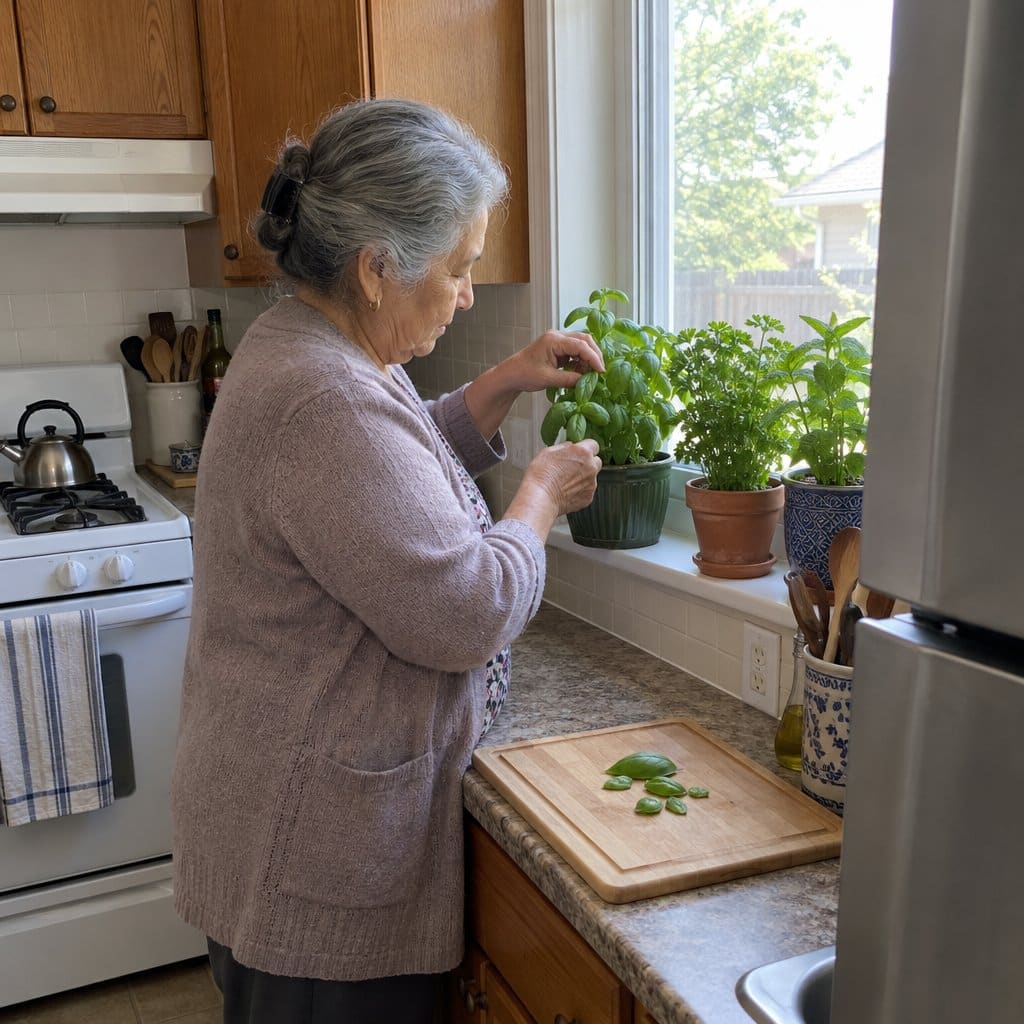
You do not need a yard to grow herbs. A sunny windowsill, a balcony, or any small spot with plenty of sun will do, and a small planter or a few pots is enough.
Here are the first steps:
- Pick easy herbs like parsley, basil, and mint.
- Fill your pots with good potting soil.
- Make sure the containers drain, so the roots do not sit in water.
If space is tight, hanging baskets, window boxes, and vertical planters make room. If bending is a struggle, raised beds and container gardens mean less reaching down, and ergonomic tools are easier on your hands and back.
For low upkeep, rosemary and thyme are hardy herbs that suit a beginner. Short, regular sessions work better than long, occasional ones, so set a routine.
Herbs also follow the seasons. You can rotate them through the year to keep a garden going, with summer basil in the warm months and sturdy thyme in winter.
Once your herbs are growing, you get fresh flavor for your meals and pleasant scents around the home. Tending them gives you light activity and a little time in the sun.
If you are unsure about something, look it up online or ask a neighbor or a local gardening group. Gardening tips from other growers are a good place to start, and every gardener was once a beginner.
Before you eat what you grow, check that each herb is safe to consume and does not conflict with any medications you take. A healthcare professional can help with that. The trade-off is that a windowsill gives you a small supply, so think of it as a way to season a meal, not to fill a pantry.
Easy plants to start with
Some plants forgive a missed watering. Succulents and herbs are good examples, and both do well indoors or out.
Here are some easy picks by type:
- Herbs: mint, basil, rosemary
- Succulents: aloe vera, echeveria, zebra plant
- Flowering plants: marigolds, petunias, pansies
- Indoor plants: snake plant, ZZ plant, spider plant
- Vegetables: cherry tomatoes, radishes, Swiss chard
If you like plants you can enjoy with your senses, lavender and gardenias have a lovely scent. Lamb’s ear and moss are fun to touch.
Rainbow chard and striped beets add color to a plot. Touching, smelling, and looking at your plants makes the time in the garden more enjoyable.
Tools matter too. Lightweight tools that feel comfortable in your hands, and a gardening stool to sit on, help you stay out longer and enjoy it more.
A trowel with a soft grip, a rake and hoe with light handles, and pruning shears with a spring mechanism are good choices.
If you want ideas from other gardeners, these gardening tips are worth a look.
The trade-off is that a plant labeled easy still needs some attention. Easy means forgiving, not free of care.
Health and Safety in the Garden
Keeping safe and healthy is key when you’re out in the garden. Remember, a little precaution goes a long way, especially when you’re enjoying your time among the plants.
Ergonomic Practices
It’s important to use tools that reduce strain on your body.
Choose a shovel with a curved handle to keep your back comfortable, and wear gloves to protect your hands.
When you’re lifting pots or anything heavy, always bend your knees and keep your back straight.
Hydration and Sun Protection
Gardening is great, but it’s easy to forget to drink water.
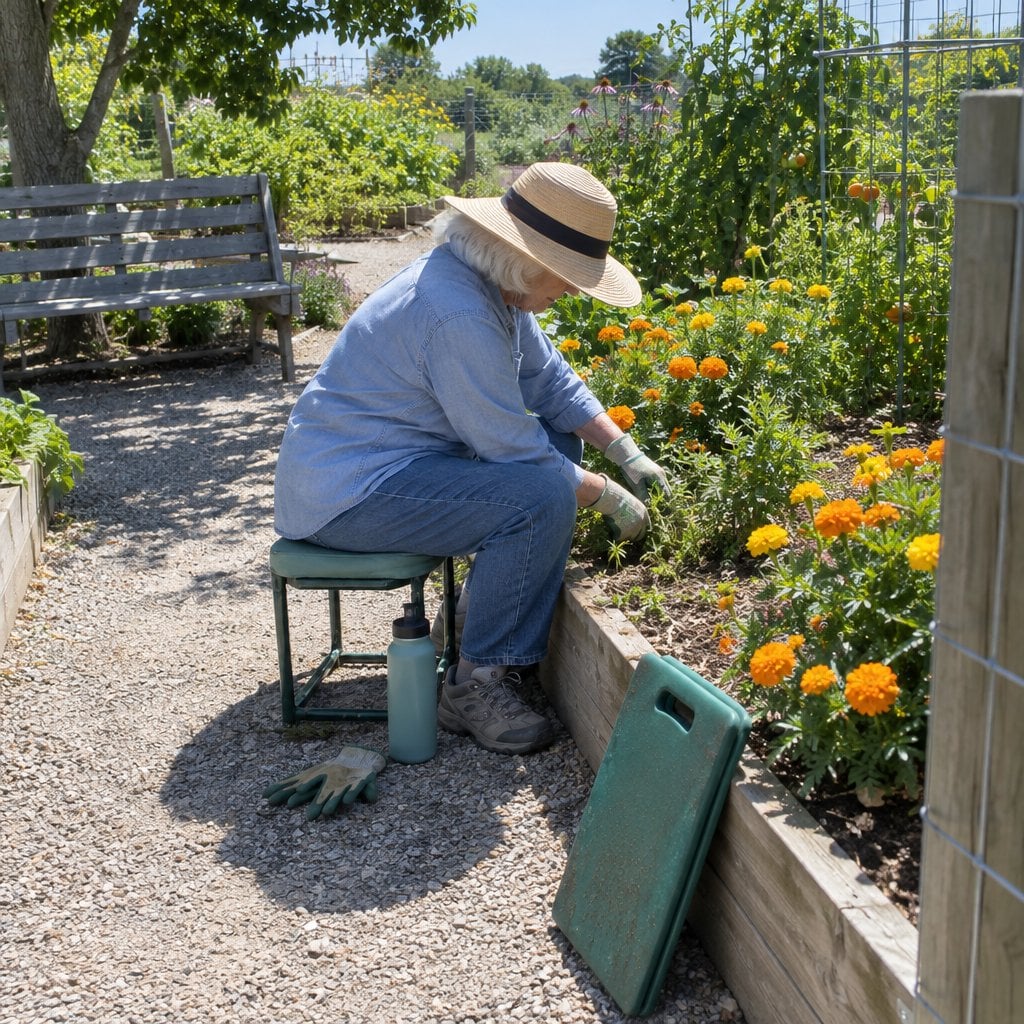
Stay hydrated by keeping a water bottle nearby, and take breaks in the shade to keep cool.
Apply a broad-spectrum sunscreen and wear a wide-brimmed hat to shield yourself from the sun’s UV rays.
Addressing Mobility Issues
If getting down to ground level is hard, raised beds or container gardens might be a good solution.
They’re easier to reach, and you can keep them to a size you can manage.
Keep your pathways clear to avoid trips, and if balance is a concern, have a sturdy chair or a garden kneeler handy. Check with your doctor or therapist if you’re unsure what is safe for you.
Community Involvement and Volunteering
Engaging in community gardening can be a friendly social event. It’s like joining a neighborhood club, but with plants! You get to meet new people while planting and harvesting together.
The garden becomes a lively spot where everyone swaps stories and tips.
- Meeting New People: You’ll strike up conversations over tomato vines.
- Learning Together: Whether you’re a newbie or a green thumb, there’s always something new to learn.
- Staying Active: Gardening keeps you moving and grooving alongside nature.
By volunteering in a garden, you contribute more than just your time. Your life experiences enrich the community too. Elder-accessible gardening shows how valuable your role can be.
Communities value your knowledge and energy. Gardening can also be good for you, with fresh air, light exercise, and good company. The CDC highlights how gardens increase access to healthy food, which is great for everyone.
Give it a try. Put on your sunhat, roll up your sleeves, and see how your green thumb can help both plants and friendships bloom.
Funding and Resources
Securing funding and finding resources are crucial steps in initiating and maintaining a community garden that serves seniors.
Grants and Donations
You may apply for community garden grants offering financial aid tailored to such projects.
For example, a grant could fund tools, seeds, or soil amendments.
Also, local businesses and residents might be interested in supporting your garden through donations, be they monetary or supplies like plants and gardening tools.
Partnerships with Local Organizations
Partnering with local organizations such as senior centers or universities can provide additional resources.
These organizations often have the equipment, expertise, and volunteers necessary to help your garden thrive.
In return, they gain a sense of community involvement and the opportunity to participate in a valuable green initiative.
Measuring the Success of the Garden
You can tell how wonderful your community garden is doing in different ways. Let’s look at what those are, step by step.
Community Impact
You’ll see your garden’s impact by smiling faces and the friendships blooming among the greenery.
It’s not just about the plants growing; it’s about the community coming together.
Gardens can improve access to fresh, healthy foods and increase the sense of community ownership and pride.
Personal Achievements
Each ripe tomato or crisp lettuce head is a personal win for you and your fellow gardeners.
These achievements might include learning new gardening skills or improving your physical activity.
Gardens can be good spaces for positive aging and can enrich your quality of life through social engagement and exercise.
Sustainability Goals
Your community garden is likely striving for long-term success.
Sustainability can be measured in how well you use resources or adhere to eco-friendly practices.
A well-designed garden considers factors like land security and resource mobilization, ensuring that the garden thrives season after season.
Next Steps
In conclusion, community gardening is an excellent activity for seniors. It provides physical exercise, a social environment, and delicious fresh produce. Don’t hesitate to join a local garden or even start your own. The benefits are numerous, and the experience is truly rewarding.
Remember to share this article with others who might be interested and comment below with your thoughts or experiences with community gardening.