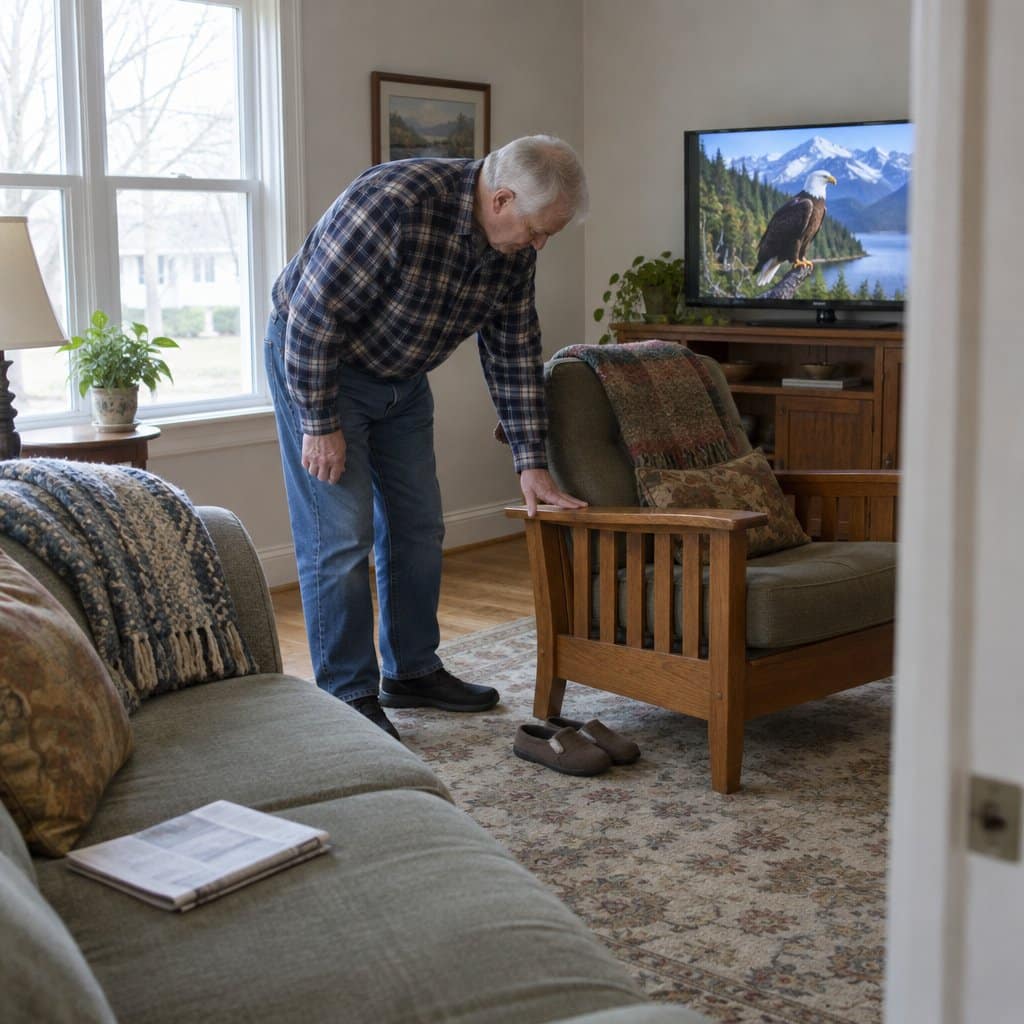
You sit down in your favorite chair and it feels a little lower, or a little wobblier, than you remember. Furniture safety for seniors starts with noticing small things like that. A chair, table or bookcase that does not suit you can turn a normal day into a stumble.
This guide covers how to check the furniture you have, pick pieces that are easier to sit in and stand up from, and arrange them so you can walk freely. It also covers rugs, cords and clutter on the floor, making changes a step at a time, and setting up the whole living room for safety and comfort.
- Look around your living room. Are there sharp corners or glass surfaces that could cause harm?
- Could that comfy armchair be tricky to get out of after reading the newspaper?
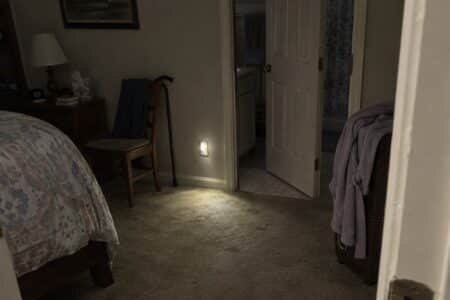
- As for your bedroom, is your bed at a comfortable height, and are your walkways clear of clutter?
Addressing concerns and making changes can improve your home’s independence and security. Evaluating furniture stability and organizing your space are practical steps towards a safer environment.
Let’s identify concerns and ensure each room supports your well-being and comfort.
Assessing Furniture Safety
When you’re making your home safer for seniors, assessing furniture safety is paramount. Be sure to check for stability and ease of use, as furniture that once seemed fine may now pose a risk.
Evaluating Existing Furniture
Take a look at the furniture in your home and check it for these helpful guidelines.
- Stability: Start by checking each piece of furniture for wobble or instability. Sit on chairs and sofas to ensure they can support weight without creaking or tilting.
- Height: The height of seating like chairs and beds is crucial. Your feet should touch the ground when seated, and you should be able to sit and stand with ease.
- Supportive Cushions: Chairs and sofas should have firm cushions to aid in sitting down and standing up.
- Table Height: Tables should be at an appropriate height for use without straining.
- Ease of Use: Check if the furniture is easy to use. For example, drawers should open smoothly and doors shouldn’t stick or be hard to open.
- Wear and Tear: Inspect the furniture for signs of wear and tear which could affect its stability or safety, such as frayed upholstery or loose joints.
- Fit: Ensure the furniture is the right size for the user. Furniture that is too large or too small can be uncomfortable and difficult to use safely.
- Material: Consider the material of the furniture. Some materials can be slippery, causing a fall risk, while others may be hard and uncomfortable.
Identifying Potential Hazards
- Top-Heavy Furniture: Take a look at your bookcases and dressers. If they’re top-heavy, they could be a tipping hazard.
- Obstructed Pathways: Furniture placed in walking paths can pose a tripping hazard.
- Slippery Surfaces: Certain furniture materials can be slippery, causing a risk of falls.
- Loose or Broken Parts: Furniture that is in disrepair, such as loose knobs on drawers or broken legs on chairs, can be dangerous.
- Sharp Corners: Furniture with sharp corners can cause injuries if someone bumps into them.
Securing Furniture for Seniors: Consider bolting tall furniture to wall studs to prevent any tip-over accidents. Keep heavy items on bottom shelves and don’t overload them.
Selecting Senior-Friendly Furniture
When choosing furniture for seniors, it’s essential to focus on safety features that aid mobility and comfort without compromising on style.
Proper Furniture Guidelines
When selecting chairs and sofas, consider seat height to facilitate effortless sitting and standing.
- Ideally, your furniture should have a seat height of about 18 to 20 inches.
- The depth of the seat is just as important, with shallower seats being easier to get out of.
- Armrests should be sturdy to support weight as you move from sitting to standing.
- Look for cushioning that offers both support and comfort, avoiding overly soft materials that make it hard to rise from.
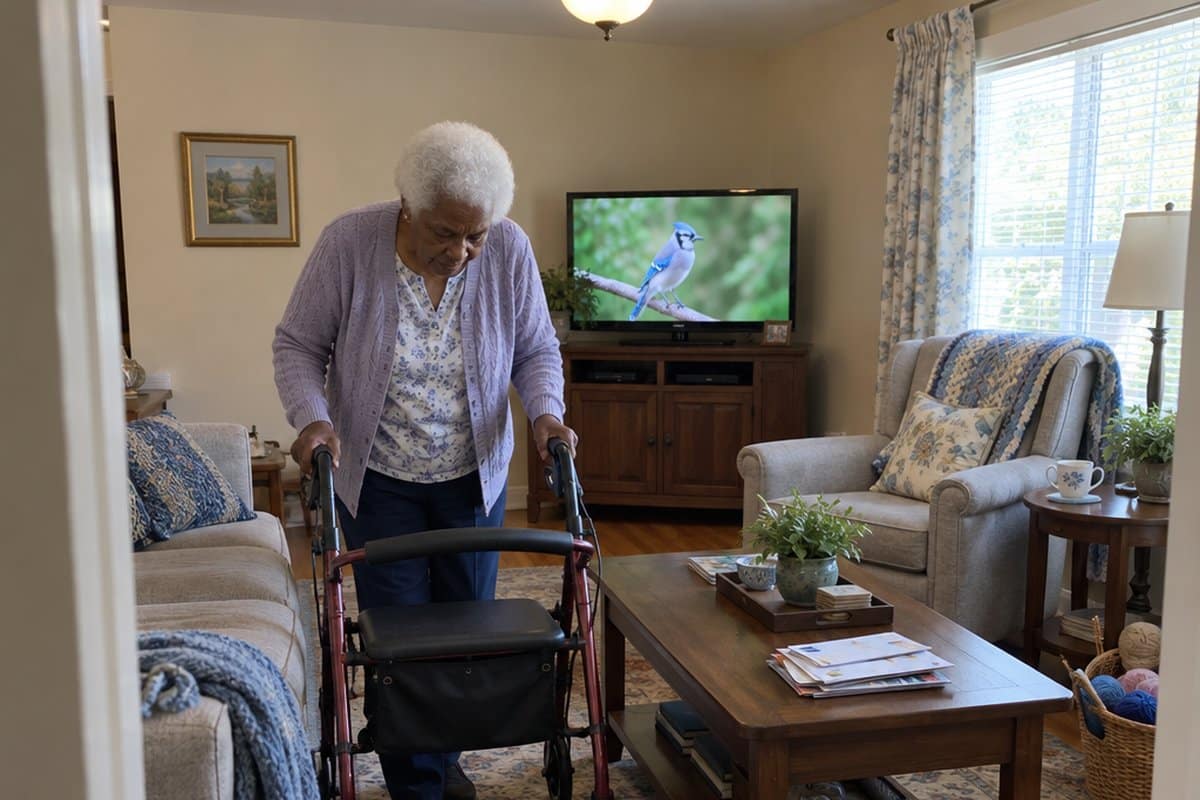
- For those using mobility aids, consider furniture that provides ample space around it and is compatible with the use of wheelchairs or walkers.
Balancing Safety and Style Aesthetics
Have you ever wondered if safety must come at the expense of style?
The good news is that furniture can be both safe for seniors and visually appealing.
Tips for finding such furniture include:
- Look for pieces that match your decor but have modified designs such as higher seats and firm cushions.
- Choose items with easy to clean surfaces and rounded corners for both safety and a sleek look.
- Experiment with colorful cushions and throws to add personality to senior-friendly furniture pieces.
Optimal Furniture Arrangement
Next, let’s explore how you can modify your home environment to enhance both comfort and safety through furniture arrangement.
Furniture Arrangement Guidelines
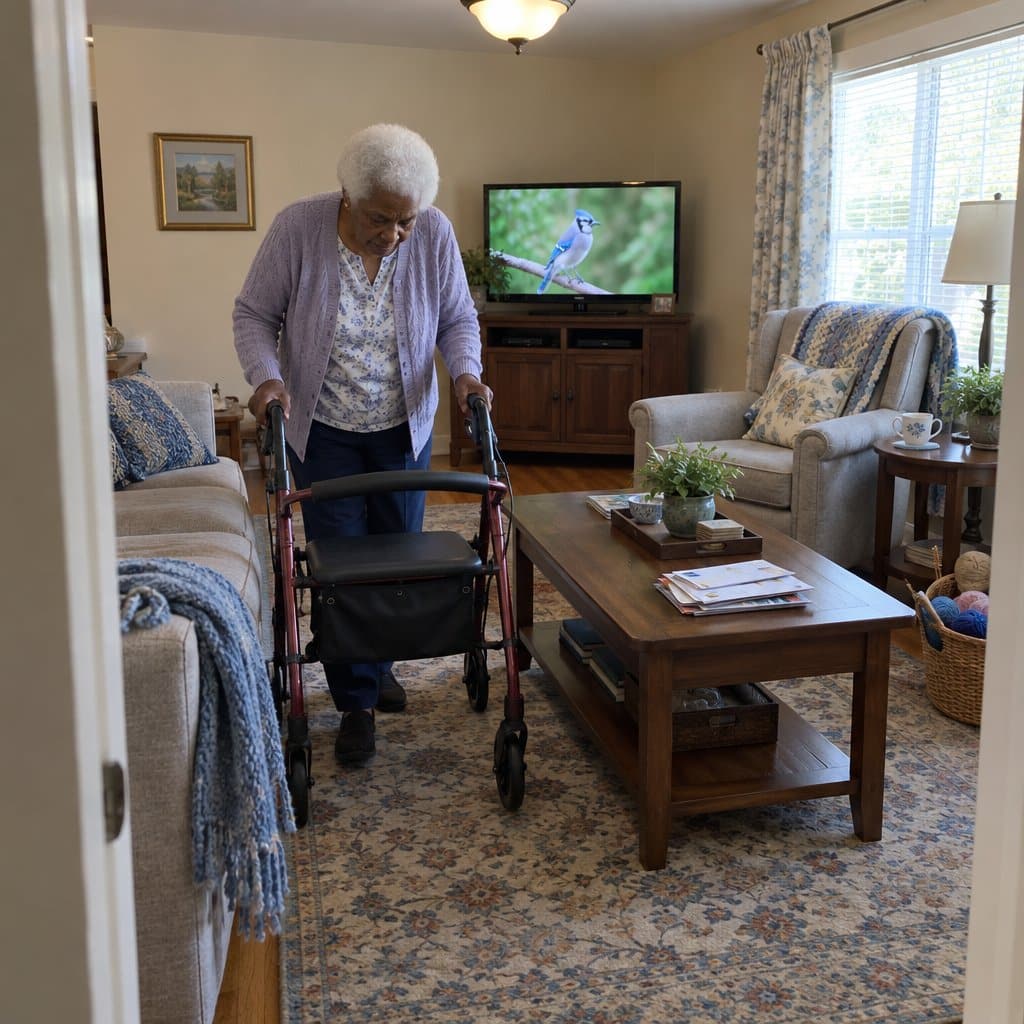
When considering how to place your furniture, think about creating clear pathways for easy movement. It helps to imagine each area as a route that should be free of obstacles:
- Ensure at least 32 inches of space for doorways and walkways to accommodate mobility devices, if used.
- Position seating areas to be easily reachable and within good lighting to prevent strain and falls.
- Keep commonly used items within arm’s reach to avoid overstretching or bending.
Ask yourself: “Can I move around without bumping into things?” This will guide you toward an arrangement that allows fluid motion through the room.
Balancing Comfort and Safety
Striking a balance between a cozy atmosphere and a secure environment is paramount. For this balance:
- Choose chairs and sofas with sturdy armrests for support when standing or sitting.
- Position your favorite chair where it’s easiest to stand up from and near enough to a table for resting a cup of tea.
- Incorporate personal items and cherished possessions in accessible spots to maintain a sense of home.
Setting Up the Whole Living Room for Safety and Comfort
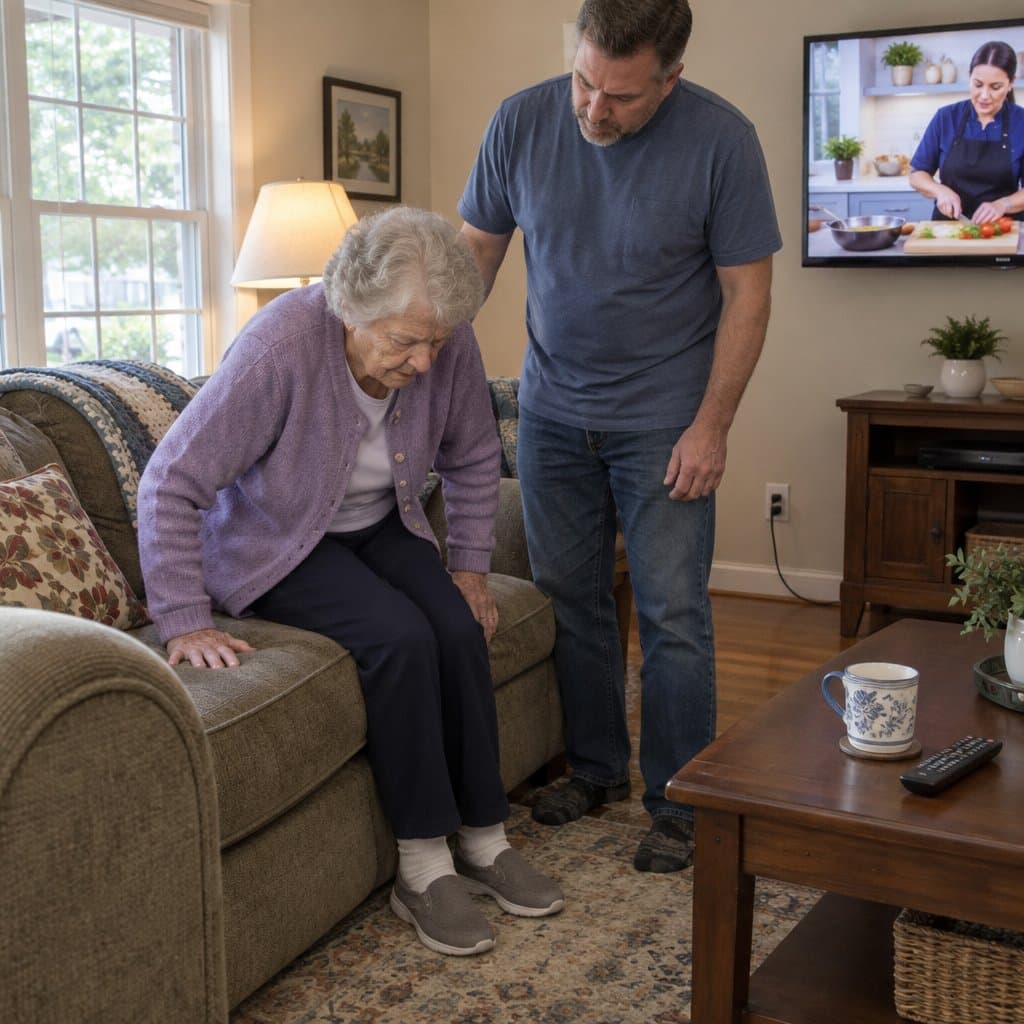
The living room is where many people spend most of their day, so it helps to look at it as one space. Ask yourself whether you can move through it freely, and whether the everyday things are easy to reach.
Start with the small fixtures. Rocker light switches and lever door handles are much easier to operate than small knobs and toggles. Then think about reach: are the things you use most within easy reach, or do you have to stretch for them?
A remote control caddy keeps the remote and similar items close at hand. Where you need light to see by, good lighting matters, so see this guide on home lighting for senior safety. Soft-glow bulbs on dimmers cut harsh glare, and night lights along the path help after dark.
For getting around, choose chairs and sofas that are easy to get in and out of, with firm cushions and armrests to grip. If you want something sturdy to hold when standing up, ask an occupational therapist or the maker’s installer about a transfer pole. It must be installed correctly. If you use a walker or similar device, keep the pathways wide enough for your mobility aids.
Staying warm without crowding the room is possible too. If you use a space heater, choose one with automatic tip-over and overheat shutoff. Keep it at least 3 feet from furniture, curtains and bedding, plug it straight into the wall, and never leave it running unattended.
Keep medications in a secure spot that is easy to reach. Some medicines can make you dizzy or unsteady, so ask your doctor or pharmacist if yours do.
If You Are Caring for Someone
The living room is where your loved one likely spends a lot of time, so changes here count. A lift chair can help them stand up with ease. If you have space, an adjustable bed in the living room can make daytime rest more comfortable.
A reliable medical alert system matters for the times you are not around. Check smoke and carbon monoxide detectors and keep a fire extinguisher where it is easy to get to. Make sure stairs have sturdy railings and good lighting.
Be patient, too. Getting used to new safety measures can be hard, and changes do not have to happen overnight. Bringing in changes gradually gives the person time to adjust.
The trade-off is that lift chairs, adjustable beds and medical alert systems take space and some getting used to, so involve the person who lives there in the decisions.
Rugs, Cords and Clutter on the Floor
Furniture is only part of what you walk around. What lies on the floor around it matters just as much.
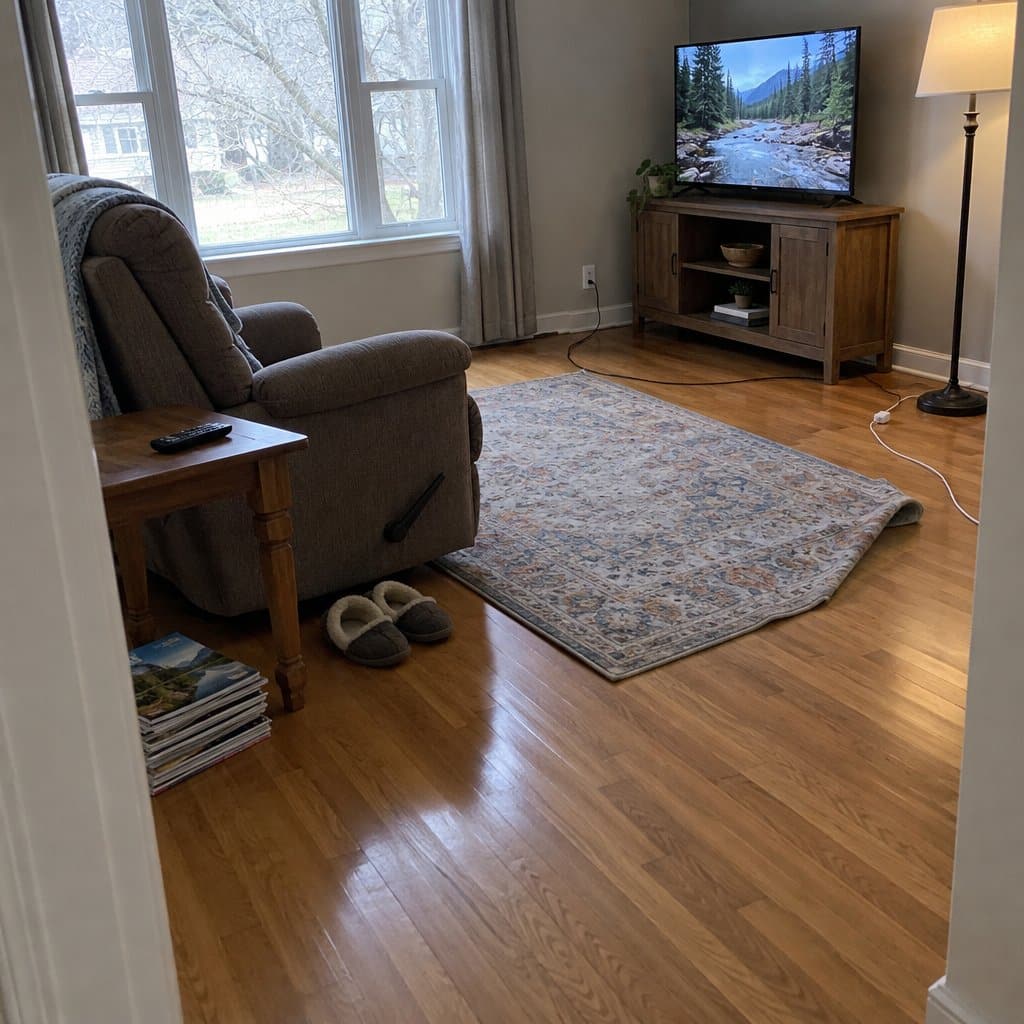
Start with rugs. A loose rug can slip underfoot, so hold it down with a non-slip mat, or look at non-slip options made for the job.
If you want to keep a rug, pick a low-pile, tightly woven one. Taking rugs out altogether is the surest way to steady your footing.
Next, look for cords crossing walkways. Bundle them and tuck them out of the path, and use cord organizers to keep them untangled and off the floor.
Clutter is the quiet one. It builds up a little at a time until there is something to trip over, so clear the floor space on a regular basis.
Storage can help here without making the room look like a closet. A good-looking storage unit that blends with your decor can hold the things you do not use every day.
The trade-off is that bare floors and tucked-away belongings change how a room looks and feels. A low-pile rug is a fair middle ground if you miss the cozy look, and it is worth deciding what really needs to stay within easy reach before you put things away.
Lighting and Furniture Placement
When arranging your home for optimal safety, the combination of lighting and furniture placement plays a critical role.
Let’s start with a simple question: Have you ever noticed how the right lighting can make a room feel more inviting? That’s because good lighting doesn’t only illuminate a space; it can also reduce the risk of accidents for seniors.
Optimal Placement
Firstly, you’ll want to position your furniture to take full advantage of natural light. Place reading chairs and desks near windows where daylight is ample, but be mindful of glare.
Here’s a quick tip: if reflections bother you, consider using sheer curtains to diffuse direct sunlight.
Reducing Glare and Shadows
At night, shadows and glare can be troublesome.
To minimize these issues, arrange your furniture so that light sources are behind you when engaging in activities, whether it’s reading a book or chopping vegetables.
This means putting your favorite armchair facing away from table lamps, and orienting your bed so that bedside lamps cast light across your book, not directly into your eyes.
Task Lighting
Incorporate different types of lighting to accommodate various activities.
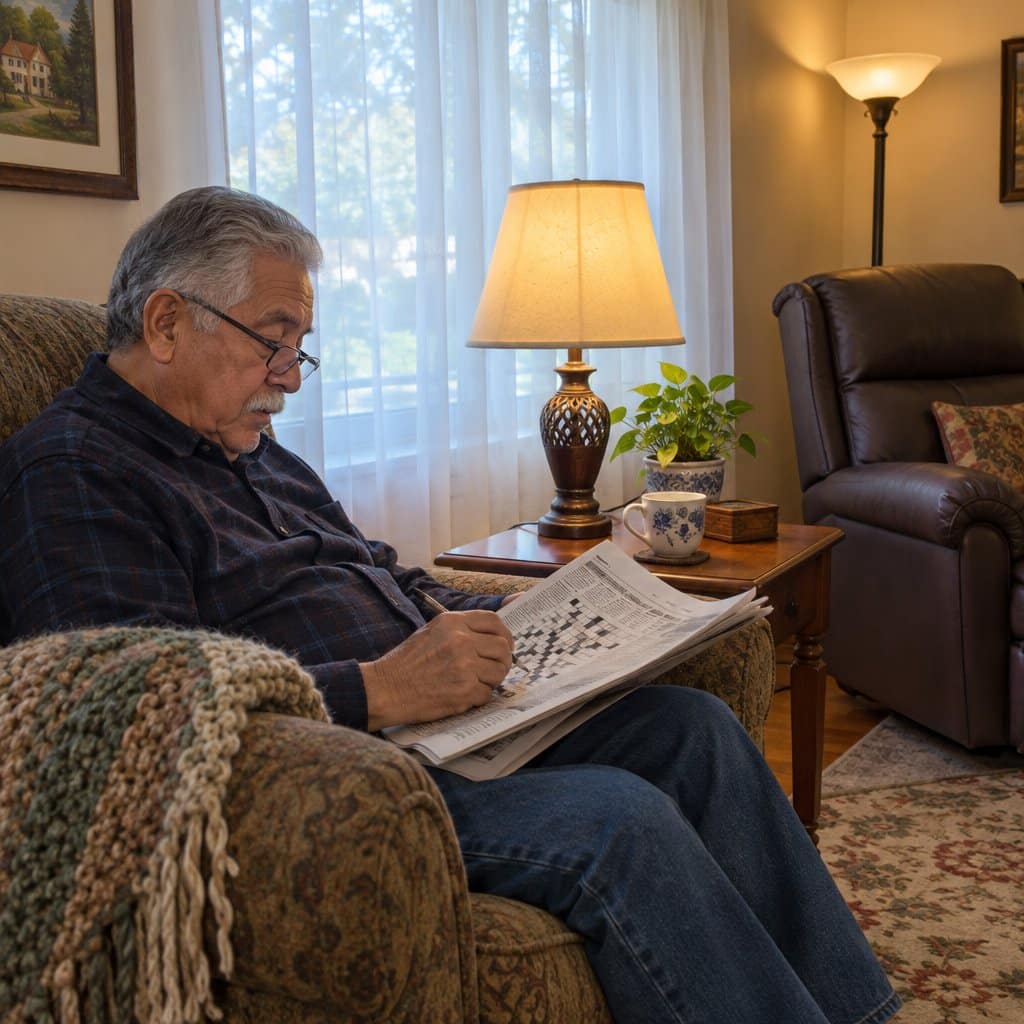
Task lighting is essential. Think of a lovely table lamp on a side table next to your armchair for when you’re working on a crossword.
This focused light is also helpful when you’re at a workspace, providing bright, direct illumination.
Matching Style with Function
When selecting lighting fixtures, keep in mind both aesthetics and functionality. Choose lamps that complement your furniture’s style but are also easy to reach and operate.
For instance:
- A floor lamp with adjustable height can work wonders beside a recliner for your evening reads.
- Wall-mounted lights save space while offering direct light to your vanity or writing desk.
Maintenance and Adaptability
Maintaining your furniture isn’t just about keeping it clean. It matters for safety and comfort. To keep your furniture a trusty companion, here are some friendly tips:
Regular Cleaning:
- Vacuum upholstered items regularly to prevent the buildup of dust and allergens.
- Wipe down hard surfaces with a mild cleaner to avoid slippery residues.
Repairs:
- Check furniture joints and tighten any loose screws.
- Inspect for wear and tear, particularly on items you use often.
Stability Improvements:
- Add non-slip pads to chair and table legs to prevent slip and slide.
- Use a non-slip rug pad made for the job, or take the rug up. Check that the edges lie flat.
Comfort Adjustments:
- Place cushions or supports to improve seating comfort and posture.
- Rearrange furniture for easy navigation and accessibility.
Adjustable Options:
- Choose recliners with remote controls for ease of use.
- Invest in adjustable-height tables that change with your needs.
Periodic Reassessments:
- Reevaluate your space and furniture arrangement to maintain optimal safety.
- Don’t be afraid to switch things up if it makes your day-to-day easier.
Making Safety Changes a Step at a Time
Making a room safer does not have to mean redoing it all at once. Start by asking which area gives you the most trouble: lighting, furniture placement, or flooring. Fix that one first.
Lighting is a good place to begin. Swapping dim bulbs for brighter, energy-efficient ones is a quick change, and good lighting cuts the risk of falls. Moving furniture to take advantage of daylight helps too.
For dark walkways at night, night lights along the path are a simple addition.
If you are handy, you can install grab bars in tricky spots. They are not just for bathrooms, and they can make a real difference in preventing falls.
Take a fresh look at what you already own. An old bookshelf might become streamlined storage that keeps walkways clear. A sturdy chair might be moved to where you need something to steady yourself.
While you are checking the room, look at your smoke and carbon monoxide detectors and check their batteries regularly. Make sure an easy-to-use fire extinguisher is within reach too.
When you need ideas or discounts, AARP offers suggestions on room-by-room changes. Local community centers and online tutorials can also walk you through the do-it-yourself fixes.
The trade-off is that doing it in stages means some hazards stay a little longer. Pick the one that worries you most and take care of it first.
Resources and Further Reading
When outfitting your home to suit your needs, it’s important to ensure safety doesn’t take a back seat. Below is a carefully curated selection of resources to guide you through creating a safer living space.
Guides and Checklists:
- For a thorough walkthrough of making each room safe, check out the Room-by-Room Home Senior Safety Guide. It includes valuable tips on lighting, decluttering, and furniture placement.
- The 2024 edition of Home Safety for Older Adults provides a printable checklist, helping you identify and mitigate risks in your home.
Senior-Friendly Furniture Brands:
- Companies like La-Z-Boy and Stickley offer comfortable and supportive furniture tailored to seniors’ needs.
- IKEA has a range of products that are minimalistic, sturdy, and easy to use, fitting various mobility requirements.
Local Professional Support:
- Local occupational therapists can evaluate your living environment and suggest appropriate furniture choices.
- Look for certified professionals in your area. You might start by checking with local senior centers or healthcare providers.
- Interior designers with experience in age-friendly designs can also be invaluable. They match aesthetics with function, creating a balance of safety and style.
Taking the First Steps Towards a Safer Home
Making your home safer is a journey that begins with a single step. By assessing your current furniture, identifying potential hazards, and making the necessary adjustments, you can create an environment that is both comfortable and secure. Remember, the key is to focus on practical changes that enhance your daily life.
The guidelines and resources provided in this article are intended to help you start this journey. But remember, every home and every individual is unique. Therefore, the solutions that work best for you may be different than those for someone else.
So go ahead, start today. Look around your home with a fresh perspective. What changes can you make to improve your safety and comfort?
Once you’ve made the changes, we’d love to hear about your experiences. Leave a comment below and share your insights. Your experience could be invaluable to others embarking on the same journey.
Also, if you found this article helpful, consider sharing it on your social media platforms. Together, we can help create safer and more comfortable living spaces for seniors.