If you want the short list, these are my top dementia-friendly kitchen appliance picks, and you’ll find the details on each one further down.



Caring for someone with Alzheimer’s or dementia means keeping them safe while the kitchen, once so familiar, becomes harder for them to manage. That is a lot to carry.
This article looks at kitchen appliances that suit a person with dementia, and what to watch for with each kind.
Don’t forget that everyone’s dementia journey is different, and not every product will work for every person. You know your loved one and what they can and cannot handle.
Making The Kitchen Safe
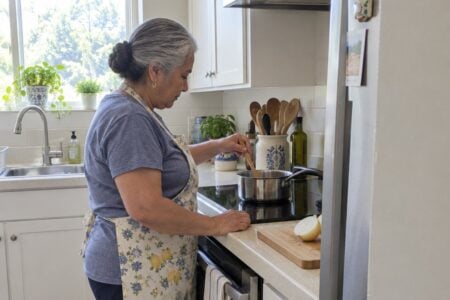
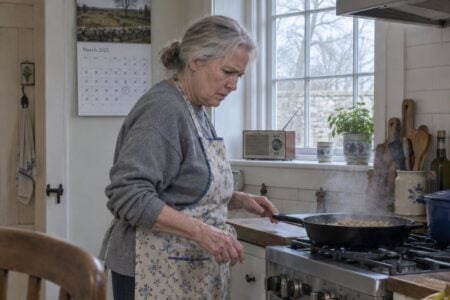
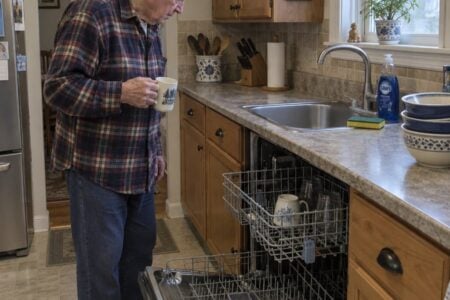
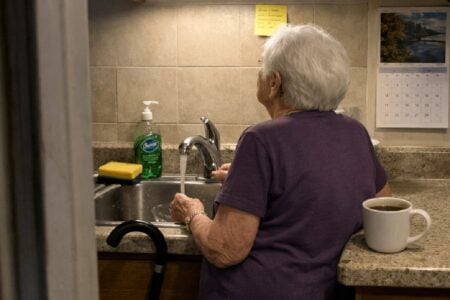
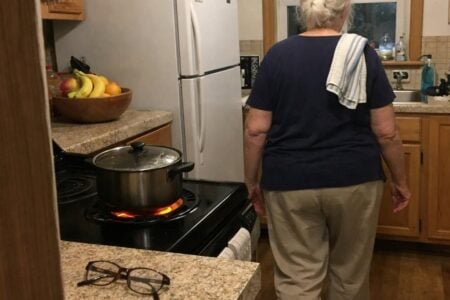
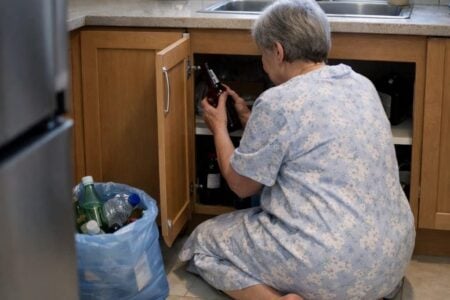
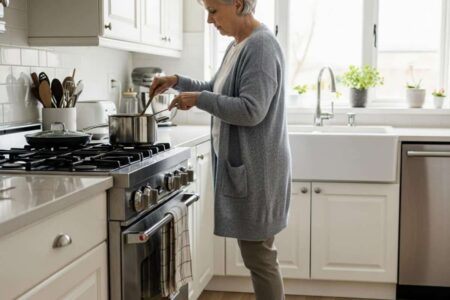
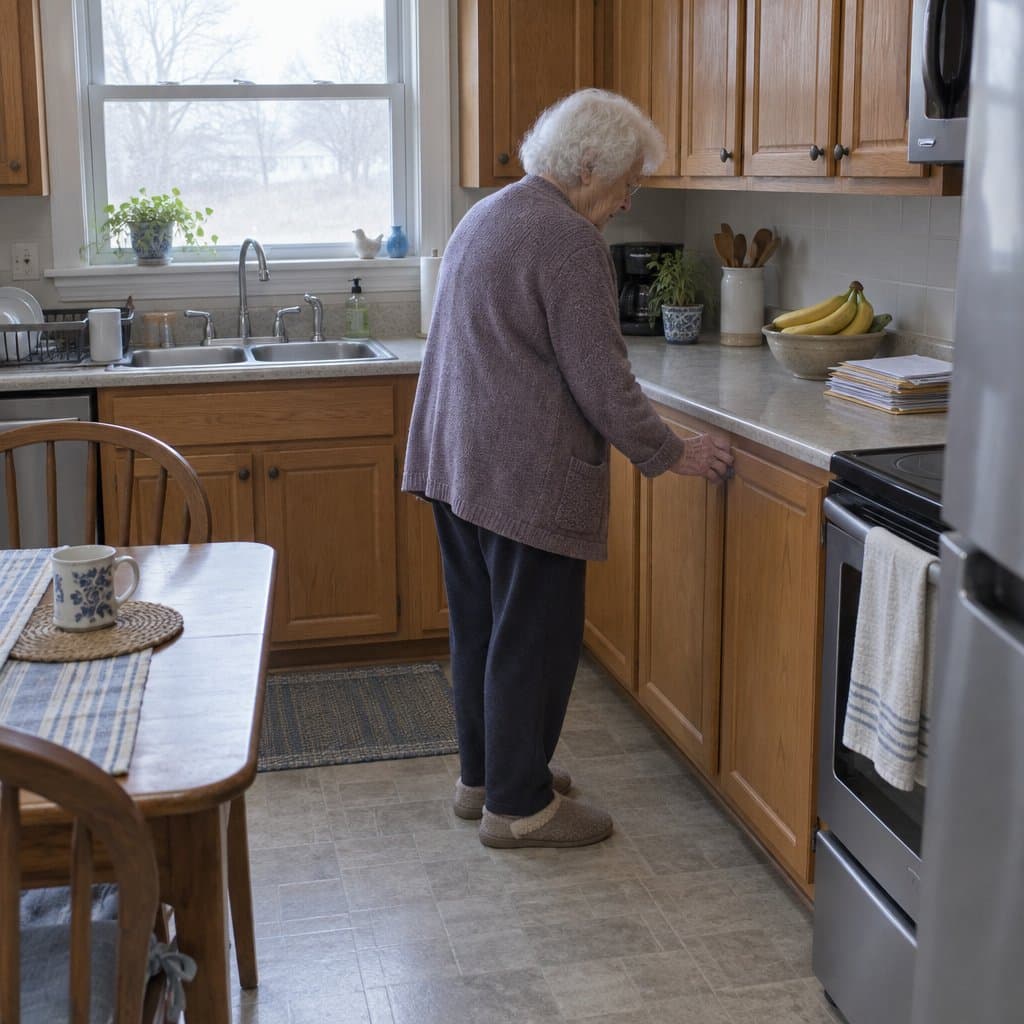
Dementia sufferers face many dangers in the kitchen – a room they might have spent decades navigating easily – as they begin to lose awareness of their surroundings.
But while some people living with dementia might not be able to prepare their favorite meal anymore, they can still enjoy doing some activities in the kitchen for themselves; provided that the physical environment is safe and familiar to them.
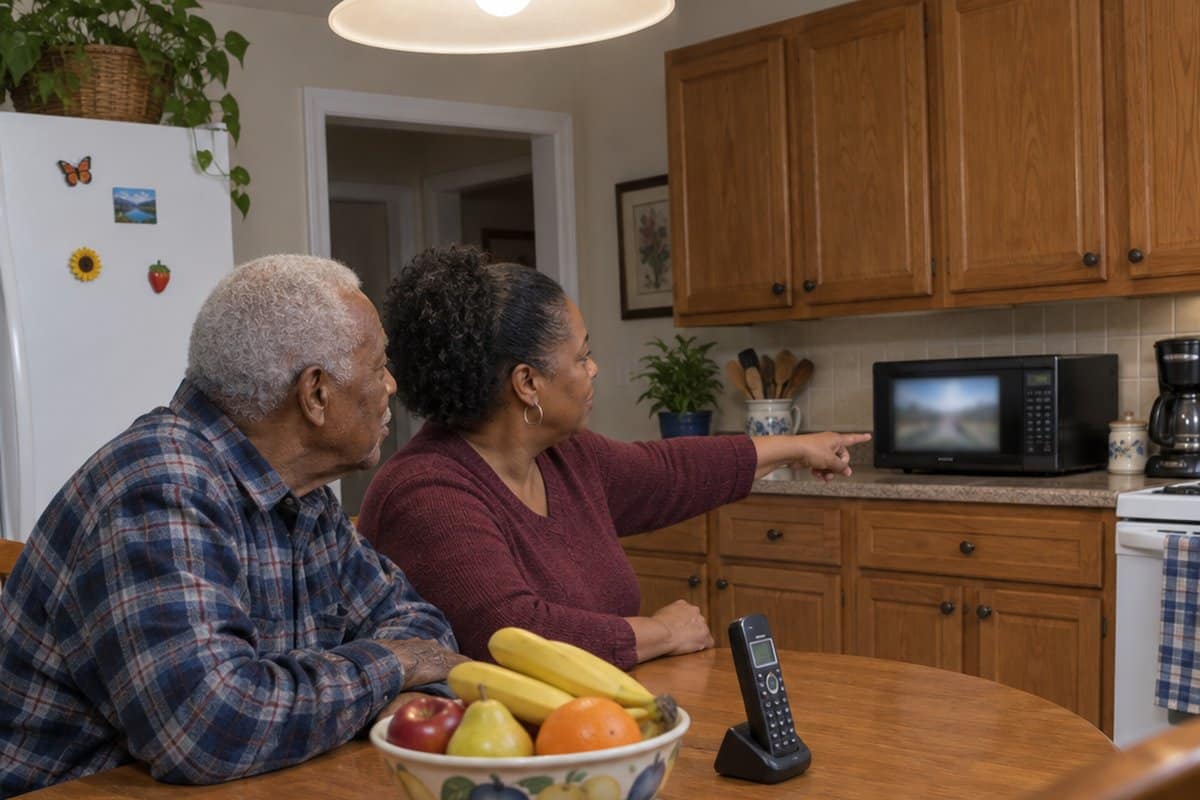
The caregiver must take precautions to minimize hazards in the kitchen for the dementia patient and make it clear where appliances and other items are.
This is because for a person with dementia, whether it’s in a care home or their own home, a familiar physical environment can help them cope with their condition and allow them to maintain a sense of who they are.
What Makes Kitchen Appliances “Dementia Friendly”?
Dementia-friendly appliances are kitchen appliances that are specially designed to improve the overall kitchen function and safety of people with dementia or Alzheimer’s. These appliances give dementia sufferers an easy time in the kitchen.
They are usually convenient and intended to create a safe, comfortable, and familiar environment for loved ones with dementia.
Technological advancements allow you to choose safe appliances according to your loved one’s taste. They allow your loved one to live independently and give you peace of mind.
For instance, there are appliances that are easy to access and others that make cooking easier – and safer – for seniors with dementia. Dementia-friendly kitchen appliances and many other kitchen gadgets have made caring for a loved one with dementia much less stressful.
Dangers Associated With Kitchen Appliances For People With Dementia
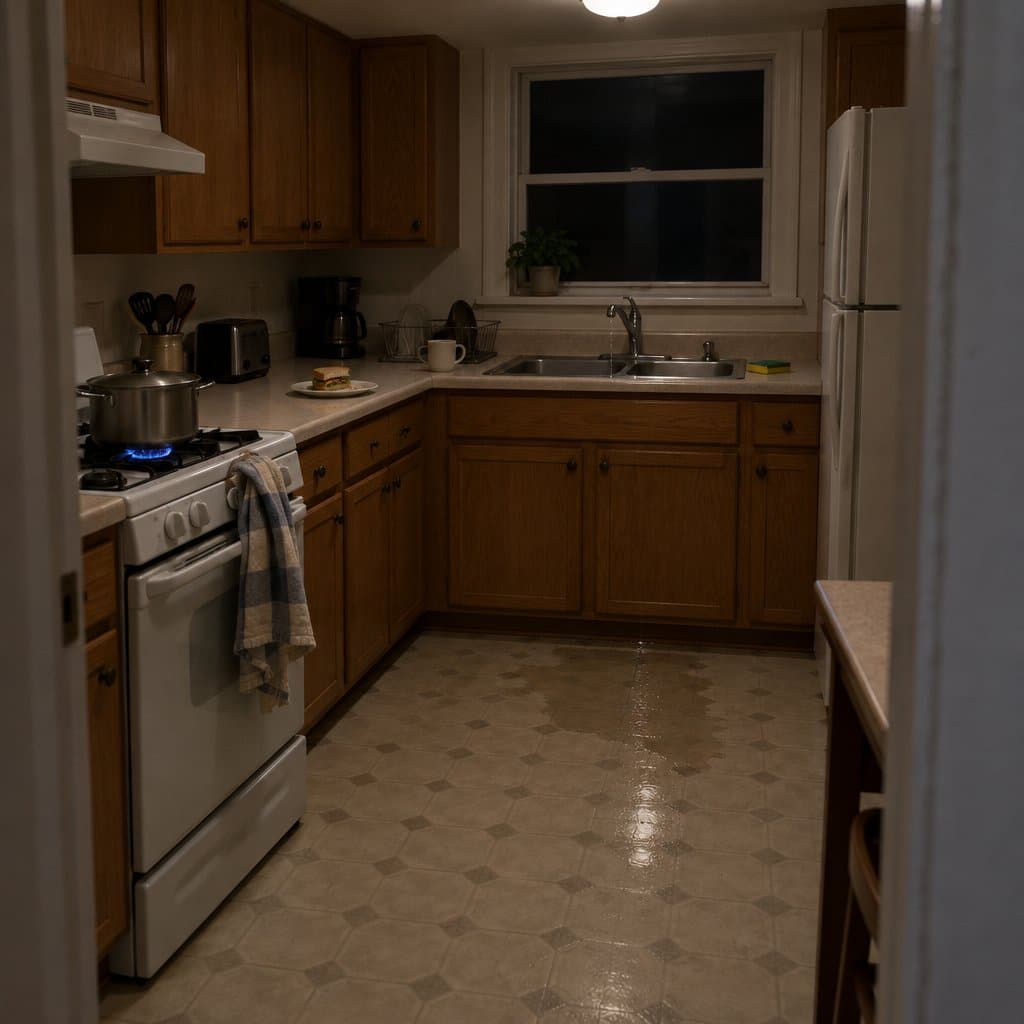
Dementia-friendly appliances act as safety nets. They protect loved ones from a range of hazards in the kitchen. Besides, they ensure safety against your biggest fears, including:
- Fires caused by forgetting to turn off conventional kitchen appliances
- Flooding due to forgetting to turn off taps
- Falls caused by wet floors in the kitchen (leaky appliances can cause wet floors)
- Scalds and burns from appliances
- Food poisoning: Eating expired or contaminated food due to inadequate lighting
- Lacerations from appliances
Best Dementia Friendly Kitchen Appliances
Below are examples of the best dementia-friendly appliances to make the kitchen safer for people with dementia:
Cookers
Electric pressure cookers have become quite popular in recent years because they make cooking much easier, even for people with dementia. While these devices have some safety concerns, you can avoid these issues if you pick the right one.
Today, you can find electric cookers for the elderly with advanced safety features that reduce the chances of accidents and injuries.
Examples of dementia-friendly cookers:
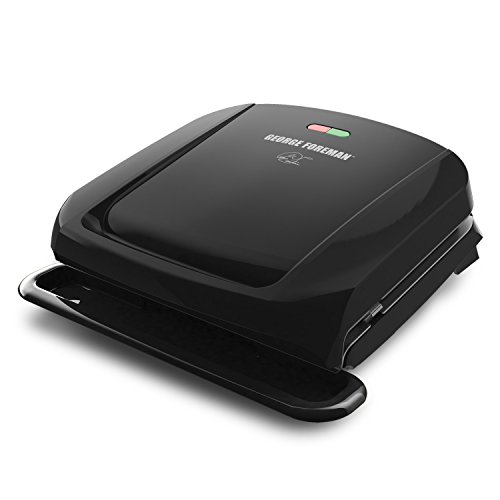

These multi-cookers have the most advanced safety features, including pressure and temperature monitoring capabilities. They also keep time and adjust the duration and heating intensity accordingly to achieve desired results every time.
They cook fast and come with extra safety protection features such as a safety lock and overheat protection to ensure the safety of your loved one.
Microwaves
Microwaves are a must-have in most homes and even care homes; they allow you to reheat food whenever you want to grab a bite.
Microwaves are quite handy when it comes to senior loved ones with dementia or Alzheimer’s because seniors tend to eat smaller portions, which means they have leftovers they need to reheat.
Conventional cooking appliances could end up burning the food or, even worse start a fire. This is dangerous for people with dementia.
When shopping for a microwave for an elderly loved one with dementia, consider the following features:
- Easy to use
- Clear, large display panels
- Few set programs
- Easy to clean
- Built-in sensors to automatically change the cooking time
Examples of dementia-friendly microwaves:

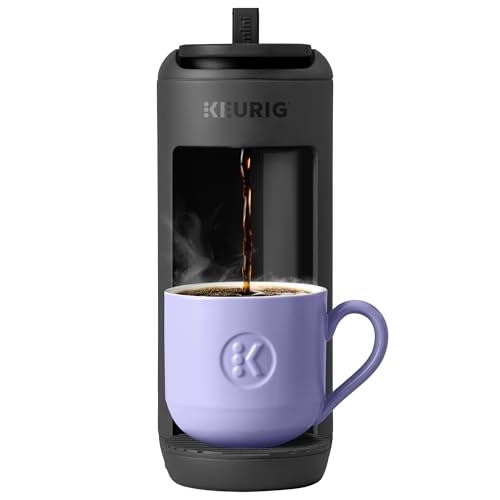
Coffee Makers
A tasty cup of coffee can make anyone feel great. However, a complicated or faulty coffee maker can be hazardous to people with dementia.
People with dementia might have mobility and memory issues, and in the event, they forget to turn off the coffee maker, it can cause electrocution or make a mess in the kitchen, which can lead to falls.
Fortunately, there are many simple coffee makers for the elderly with safety features built right in.
Below are features to consider when looking for a dementia-friendly coffee maker:
- Ease of use: Coffee makers for people with dementia should be easy to use even if the person using it has shivering hands. You don’t need a coffee maker with a million functions; instead, opt for a machine that is simple to operate
- Safety features such as an automatic turn-off function
- Easy to clean
Examples of dementia-friendly coffee makers:
Toasters
People with dementia might be unable to pull up some modest tasks. The right toaster can make the life of your senior loved one much easier by providing them with a safe and efficient method to prepare their breakfast.
The best part about dementia-friendly toasters is that they have advanced safety features making them a safer option for a loved one who is getting a bit more on the forgetful side.
Below are aspects to consider buying a toaster for a loved one with dementia or Alzheimer’s:
- Automatic Shut-off timer
- Clear buttons and large display screens
- Fewer buttons
- Auto-eject wire rack in pop up toasters
- Front crumb tray removal feature
Below are some examples of dementia-friendly toasters. Check out my guide to the best toasters for seniors for more choices.
Kettles
Conventional kettles can be quite dangerous for people with unsteady hands, and it’s easy to spill the boiling water at any time. Kettle-related accidents can not only cause burns but could also be the source of bad fires.
If your loved one uses a manual kettle in their kitchen and suffers from dementia, they are at high risk of getting burned. A kettle for people with dementia should be an automatic one.
Fortunately, there are many automatic electric kettles for the elderly on the market. When looking for dementia-friendly kettles, look for one with the following features:
- Automatic shut-off mechanism: the kettle should automatically shut itself off in case someone leaves it on
- Large handle: to allow a solid hold even for unsteady hands.
- Cordless
- Sturdy base
- Lightweight: so that your loved one can handle it with ease.
- Cool-to-touch: this feature means that the heating elements are concealed, which makes the kettle safer for people with dementia.
- Overheating protection
Examples of dementia-friendly kettles:
Can Openers
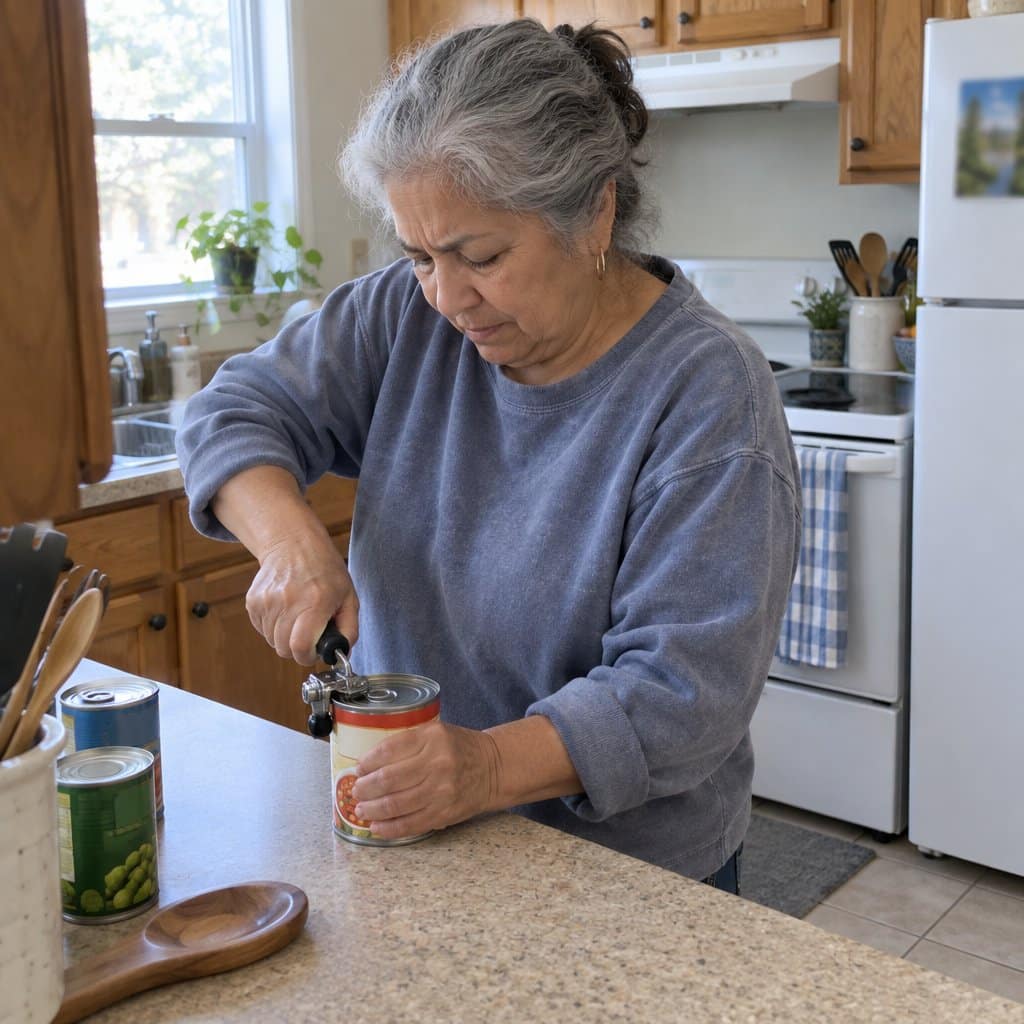
A manual can opener asks a lot of your hands at once. You have to grip it, line it up, squeeze, and turn the crank, all while keeping the can steady. For someone living with dementia, that many steps in a row can be frustrating, and a slipped blade can leave a sharp edge. An electric can opener cuts the job down to pressing a button.
Here is what to look for. Pick one with a single button that starts and stops it, so there is nothing to remember or twist. Look for a side-cut design, which cuts below the rim and leaves smooth edges instead of sharp ones. A rechargeable one with no cord across the counter is handy, but you will need to keep it charged. Some openers won’t fit every can, so check the sizes it handles before you buy. And they take a few seconds per can, so don’t expect it to be instant.
Yarramate Electric Can Opener


The YARRAMATE Electric Can Opener works with one button. Press it and the opener starts, press it again and it stops. You don’t have to grip, squeeze or twist anything, which is where manual openers tend to cause trouble for sore hands and wrists.
It cuts through the side of the can, so the edges on both the can and the lid come out smooth. That lowers the risk of a nasty cut. It recharges by USB-C and the cable is included, so there are no batteries to buy or replace.
It suits someone who still likes to cook for themselves but struggles with a hand-turned opener. The single button also keeps the steps few and easy to remember, which helps when a person is living with memory loss.
The trade-offs: it takes a few seconds per can, so it isn’t instant, though most people won’t mind. It also won’t work on pull-tab cans, cans that aren’t round, or cans with a damaged rim. Those will still need another method.
Electric Lighters
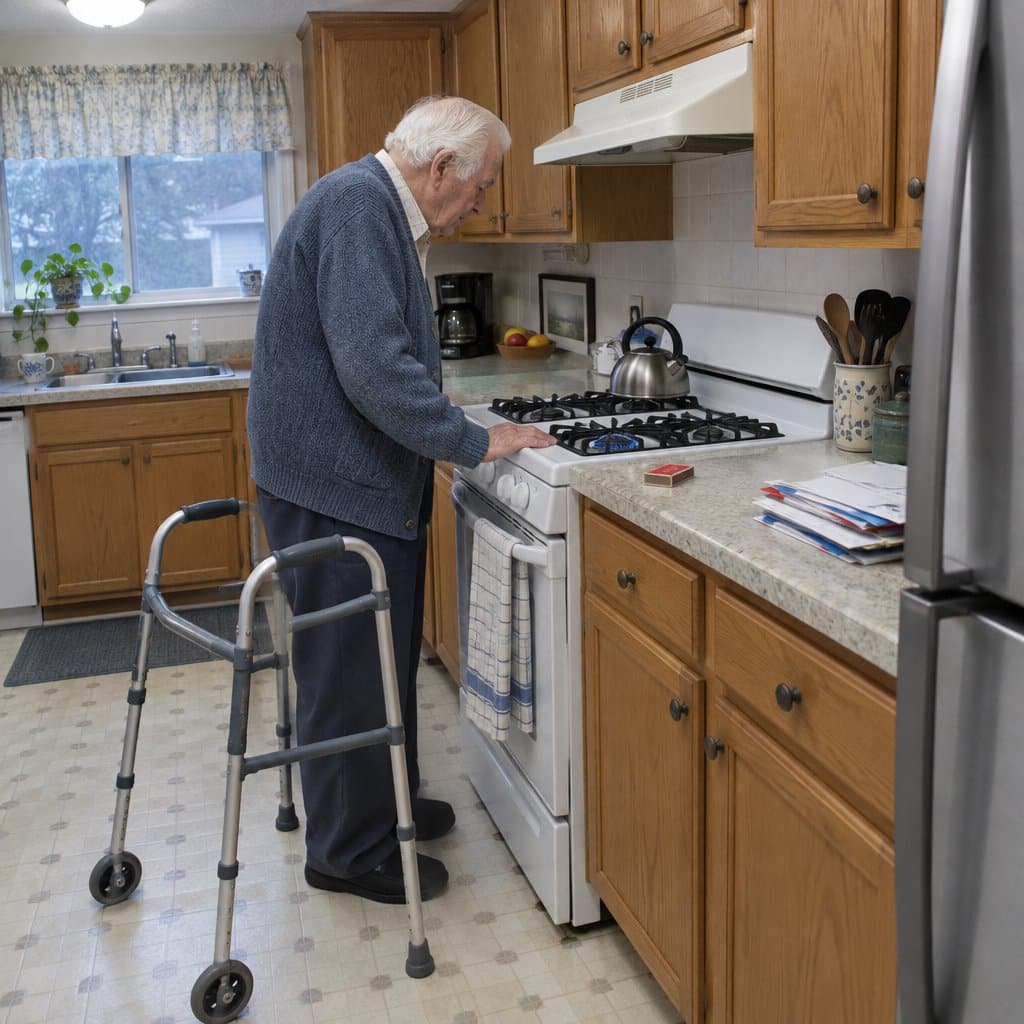
If your stove is gas, or you light candles, you need something to make a flame. Matches and ordinary lighters are the usual answer. They also leave a live flame in someone’s hand, and a box of matches can get dropped, left out, or forgotten. An electric lighter uses a small spark, called an arc, instead of a flame. There is no fuel in it, and nothing keeps burning after you let go.
Here is what to look for. First, a safety switch, so it can’t turn on by accident in a drawer or pocket. Second, a long neck, which keeps the hand well away from the burner. Third, a rechargeable battery, because there is no butane to refill. The downside is that a flat battery means it won’t light at all, so someone has to remember to charge it. A safety switch also adds a step, which can be annoying if the buttons are fiddly. The arc is still very hot, so this makes things safer but not safe on its own. Keep it where the person living with dementia can’t reach it if they shouldn’t be lighting the stove alone.
Rechargeable Candle Lighter

This is a rechargeable lighter that makes a small electric arc instead of a flame. There is no butane to buy or refill. You plug it into a USB cable to charge it, and it lights candles or stove burners, even in a draft.
It suits someone who still likes to light the stove or a candle but should not be handling an open flame. With no flame to blow out or drop, there is less to worry about. A double safety switch also keeps it from firing by accident in a pocket or bag.
The trade-offs are the charging and the switch. If the battery runs down, it will not light at all, so someone has to remember to plug it in. The safety switch takes two deliberate steps, which protects against accidents but can be fiddly for hands that struggle with small movements. If memory is a concern, a family member may want to take on keeping it charged.
Wrapping Up
Bottom line, if you’re caring for someone with dementia, turning the kitchen into a safe space is something you must do. The most crucial aspect of caring for people with dementia is ensuring their comfort and safety.
Also, keep learning more about how to create a dementia friendly environment and how to better serve your loved one right from the start.