

Making the transition to a pureed food diet doesn’t have to mean bland, unappealing meals. With some simple tricks, you can create nutritious, delicious purees that will make mealtimes enjoyable again — and with the right equipment, it’s easier than most people expect. If your loved one can manage some texture, you can also look at ways to make soft foods for people with no teeth more flavorful and nicely presented.
This guide covers everything: why elderly people need pureed food, how to puree different ingredients, the best equipment for the job, and over 20 tested recipes to get you started.

Why Do Elderly People Need Pureed Food?
The biggest reason elderly people need their food pureed is dysphagia — a condition that can make solid food dangerous to eat in a traditional way.
What is Dysphagia?
The Mayo Clinic defines dysphagia as a persistent difficulty swallowing. (Note: this is not the same as dysphasia, which is difficulty speaking — these two terms are often confused.)
Seniors who have pain swallowing, cough or gag while swallowing, or choke often should see their doctor immediately. The most common causes of dysphagia are neurological damage from stroke, cancer, multiple sclerosis, muscular dystrophy, and Parkinson’s disease — all of which can affect the muscles of the throat and esophagus.
What Are the Dangers of Dysphagia?
Familydoctor.org lists three serious complications:
- Malnutrition, Dehydration, and Weight Loss. If you can’t swallow properly, you can’t get the nutrition and fluid your body needs.
- Aspiration Pneumonia. This happens when food or liquid enters the airway instead of the esophagus. Bacteria can enter the lungs and cause a serious — sometimes deadly — infection in elderly patients.
- Choking. Improperly swallowed food can cut off the air supply, leading to serious injury or death.
How Does Pureed Food Help?
Pureed food — a variation on the liquid diet for seniors — is soft food that is thinner and easier to swallow. Processing and blending food until it is softer makes it easier to swallow. Sometimes, the only other option is a feeding tube, which is invasive and requires surgery.
Other Reasons Elderly People May Need a Pureed Diet
Pureed food may also be necessary for seniors with dental problems or missing teeth, dementia, or general weakness from aging.
Looking for a Ready-Made Solution?
Before we get into how to make purees from scratch, it’s worth knowing that ready-made nutritional shakes can serve as an excellent supplement — or occasional meal replacement — for people with dysphagia. They have a great consistency and can be thickened if needed. I’ve used Kate Farms personally and can vouch for how good they taste.

Now, let’s get into how to make great pureed meals at home.
It All Starts with High-Quality Ingredients

Before we get into how to puree food, let’s talk about what you puree. The ingredients are key.
Good Foods to Puree
Many regular foods can be pureed — meats, vegetables, fruits, and grains. Ingredients that are already soft in their solid form are the easiest. If they aren’t soft when raw, cook them first.
Add enough liquid to make the mixture smooth and creamy without getting watery. Experiment with gravy for main meals or ice cream and yogurt for desserts — both add flavor.
- Fruit pies and cobblers puree well for a quick and easy dessert. Put a slice in a food processor or blender — crust and all — and blend until smooth.
- Casseroles can be pureed into a surprisingly good result. Just make sure the original ingredients are soft enough.
- Most stews and soups puree well. Usually no additional liquid is needed. Use a food processor for meaty stews; strain if needed to remove lumps.
- Chicken salad and ham salad make great-tasting purees — just add a little liquid to the blender or food processor.
- Pasta salads and coleslaws also puree well.
The University of Pittsburgh Medical Center has a useful quick reference chart with even more ideas.
Foods to Avoid When Pureeing
Stay away from foods that are too watery — drain excess liquid when possible, because purees that are too thin can also cause choking. Foods with tough skins that can’t be removed will not puree well either.
- Celery: Stringy and difficult to prepare properly.
- Nuts and Seeds: Can be missed by the blender blades and cause choking.
- Dried Fruit: Swells when wet, causing lumps and difficult blending.
- Beans: Tough skins that don’t cook down soft. (Canned beans that are very soft can work if well-drained.)
- Hard cheeses.
Vary Your Ingredients to Encourage Finicky Appetites
A pureed diet can get old quickly. Adding different spices, seasonings, syrups, or sauces to traditional dishes makes a world of difference.
Instead of water for every meal, mix it up with milk (adds protein and calcium), fruit juices (vitamins and energy), or nut milks (healthy fats). Always add fruits and vegetables where you can — dysphagia patients get vitamins only from what they eat, since swallowing pills may not be an option.
How to Puree

Learning to make a good puree takes practice. When you’re done, you should have a thick, smooth paste with no lumps. Don’t be afraid to experiment.
What should a good puree look like? It should have a smooth, consistent texture with no obvious lumps. It should be moist and cohesive — not dry, sticky, crumbly, or rubbery. It should require no chewing and slide easily to the back of the mouth even with a weak tongue. It should not clump into sticky chunks that could cause choking.
A useful test: grab a spoonful and tilt it over. If the puree spills right off, the mixture is too runny. If it stays on and is sticky, it’s too thick. You want a happy medium — the puree should slide off easily but not spill like soup. You can read more about testing methods at the IDDSI website.
Step 1: Chop
Chop all solid ingredients first. Any solid chunks left in the puree are hazardous for someone with dysphagia. Get everything as small as possible, and cook firmer foods first to soften them.
Step 2: Puree
Start on a low/slow setting, then gradually work up to the puree setting. This lets solid chunks get mixed and chopped smaller before being blended smooth.
Step 3: Strain
Push the mixture through a fine mesh strainer with a silicone spatula to make sure the food is super smooth and free of lumps.
Step 4: Serve
Make sure the patient eats slowly in small bites. They should be sitting entirely upright during the meal and for at least 30 minutes afterward. Read more about dysphagia feeding tips at AusMed.
How should a puree taste? It should be flavorful and taste as fresh as the ingredients used. Unless there are medical reasons not to, don’t be afraid of adding spice, a little salt, or sugar. If a puree tastes bland or watery, the recipe needs work.
Step 5: Store
Make large batches of favorite pureed dishes and store in containers for future meals. To re-serve, heat the food back up and blend again to reconstitute it.
How to Puree Vegetables

Most vegetables puree well. Here’s how to get good results:
- Rough chop the vegetables while raw.
- Pre-cook before pureeing. Cook in hot liquid — chicken or vegetable stock or milk. Don’t use water; it adds no flavor or nutrition. Or sauté in a little butter until they begin to soften, but don’t let them brown.
- Once they mash with a fork, they’re ready to puree.
- Drain the veggies but keep the cooking liquid in case you need to add it back.
- Remove all seeds and skins before blending.
- Puree in a food mill, food processor, or blender.
- Add back some of the liquid gradually — a few spoonfuls at a time — until you have a smooth, consistent puree. You can also add butter, hot milk, gravy, or other smooth sauces for flavor.
- Thicken if needed by adding more veggies, a little flour, or a commercial thickener.
For pureed potatoes specifically: Peel completely before cooking and dice into 1″ cubes. Cook in broth or milk rather than water. They’re ready to puree when they mash easily with a fork. Add butter, milk, or smooth gravy before pureeing for flavor. For best texture, use a food mill or potato ricer. A hand mixer or potato masher can work with enough liquid.
How to Puree Meats

Protein is an important part of any diet. Pureed meats tend to be dry and unappealing if done wrong — here’s how to do it right:
- Choose a Tender Cut. Boneless chicken breast and higher-quality cuts of beef are best. Tougher cuts fight the blender.
- Remove Bones and Visible Fat. Chewy chunks of fat don’t puree well and can cause choking.
- Slow Cook the Meat Whole. Cook in its whole form to retain moisture and flavor. Boiling, steaming, or stewing works best. Add appropriate spices, salt, and pepper.
- Chill Before Blending. Once fully cooked, chill the meat for at least 2 hours. Cold meat is easier to chop and blend.
- Chop It Up. Cut into small pieces before pureeing for a more consistent result.
- Pulverize. Blend in a food processor until you get a grain-like, almost powdery texture.
- Add Hot Liquid and Reblend. Add broth, milk, or gravy — heated first so the puree stays warm. Use about a quarter cup of liquid per cup of meat, adding a little at a time.
How to Puree Soups

Pureed vegetable soups are a staple of a pureed food diet. Here’s how to make great-tasting ones at home:
- Choose fresh, high-quality ingredients. Strong-flavored vegetables cooked in broth or milk make a very flavorful base with just a few ingredients.
- Cook vegetables until tender, then add liquid and simmer until soft. Broth — chicken, vegetable, or beef — is the most common choice. Milk or cream also works well.
- Puree when vegetables are soft. Check with a fork — if it mashes easily but the grain still shows, it’s time to puree. Overcooked vegetables can still be pureed; the final soup may just need thickening.
- Strain into a bowl to keep the flavorful cooking liquid. Add solids and a small amount of retained liquid to your puree machine.
- Strain the puree again through a fine mesh strainer for an ultra-smooth result.
If the Puree Is Too Thick
Add more liquid — cream, milk, or broth. (Avoid water; it just dilutes without adding nutrition.) You may need to put the puree in a pan and simmer briefly to reconstitute.
If the Puree Is Too Thin
Options for thickening a pureed soup:
- Flour. Whisk into an equal amount of hot butter until combined, then whisk into the simmering soup. Most common home method — everyone has flour. Can change color of lighter soups and may form a skin as it cools.
- Cornstarch or Arrowroot Powder. Make a thin paste with water and whisk into the hot soup just before serving. Won’t change color. Must be whisked continuously — lumps are unpleasant.
- Potatoes or Cooked Rice. Add diced potato to the vegetables while cooking, then puree together. Adds nutrition and texture without altering flavor.
- Bread. Remove crusts, sauté in butter until lightly toasted, float in liquid before pureeing for a few minutes until soft, then puree with the mixture.
- Egg Yolks. Effective but more difficult — yolks must be tempered carefully to avoid scrambled eggs in the soup.
How to Puree Fruit

Pureed fruits work well as a dessert or quick snack. Both fresh and canned fruits make good-tasting purees.
- If using fresh fruit, remove all skin, seeds, pits, and cores.
- Make sure fresh fruits are very ripe.
- Fibrous fruits (pears, apples, peaches) may need to be cooked first in apple juice or other fruit juice.
- Drain canned fruits very well before pureeing.
- Thaw frozen fruits completely and drain well.
- Puree in a food mill, food processor, or blender until smooth.
- If too thick, add back some of the original juices or use apple juice.
- If too thin, add more well-drained fruit or use a commercial thickener.
How to Puree Bread
Properly pureed bread looks a bit like pudding. The general process: convert the bread product to crumbs, add warm liquid, then puree together. Don’t use crusty breads — they leave lumps. Try combinations like breadcrumbs with warm milk, or graham cracker crumbs soaked in coffee.
Pureed Meals for Elderly with Protein
High-protein foods are especially important in a pureed diet because they’re filling and essential to survival.
Meat
- Beef. Tender top cuts are best — softer than other cuts and easier to puree.
- Chicken/Turkey. Lower-fat protein sources. Always use boneless, skinless cuts.
- Fish. One of the healthiest protein sources, with omega-3 fatty acids. Soft fish like white fish or salmon work best. Canned tuna is another solid option.
Dairy
- Milk. Whole milk adds a creamier, fattier texture. Skim works too. Nut milks like cashew or almond add delicious, light flavor.
- Yogurt. About 10–15 grams of protein per serving, comes in many flavors.
- Soft Cheese. Cottage cheese and ricotta add rich, creamy texture and decent protein.
Eggs
About 6 grams per egg — 2 or 3 eggs in a sitting delivers a solid 12–18 grams of protein. Cook the eggs in your preferred method (scrambled is easiest) before adding to a puree. Adding raw eggs runs the risk of undercooking.
Protein Powder and Supplements
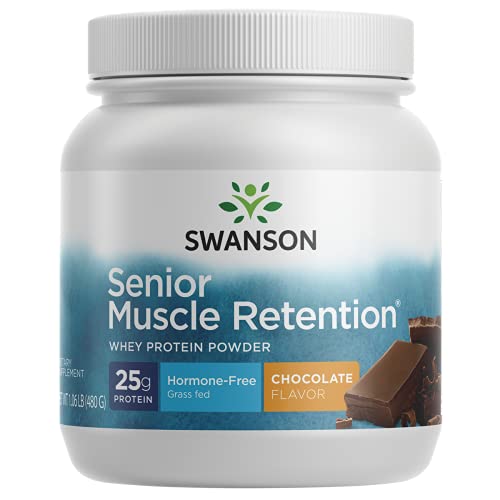
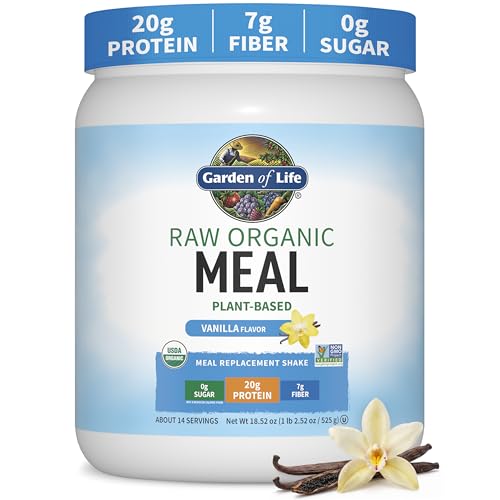
Protein powders — whey, soy, hemp, plant-based — are powdered and easy to add to any puree. A spoonful or two added to a few meals per day can meaningfully boost daily protein intake without changing texture significantly.



Choosing the Right Equipment for Purees
You have a lot of appliance choices for pureeing. Here are the most common ones along with some pros, cons, and my recommendations for each.
Best Food Processors for Purees

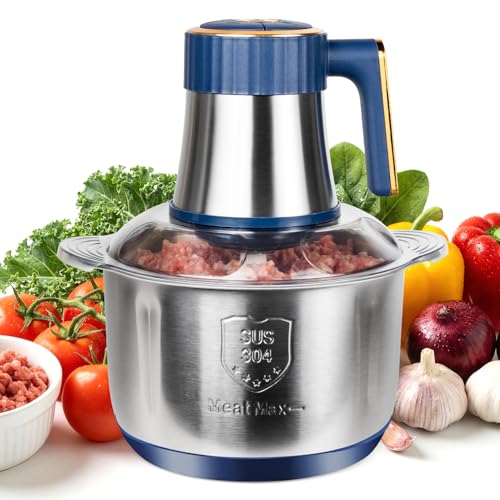
The most common household choice for pureeing. Food processors are multifunctional — they mix, julienne, chop, slice, and puree. Their large bowls are convenient for adding ingredients, and high-powered motors and large blades make quick work of purees. The main drawbacks: they tend to be expensive and bulky, and aren’t always ideal for single small servings.
The main difference between food processors and blenders is the blade — sharper on a food processor because it’s designed for solid foods. Blenders are better for liquids or foods with high liquid content like fruits and vegetables.
Minimum motor size I recommend for purees: 450 watts.




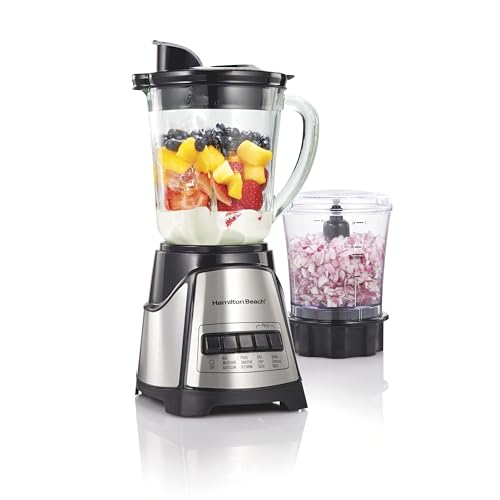
Best Blenders for Purees
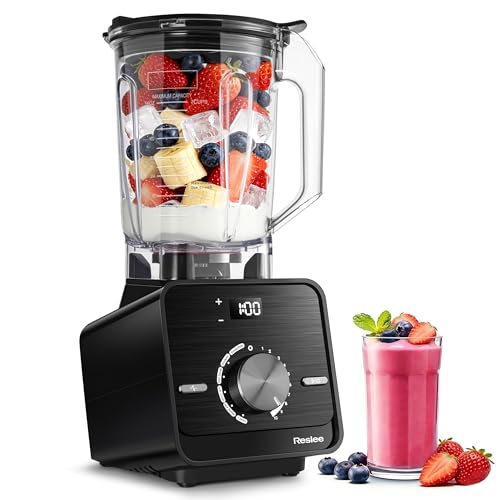
Blenders are best for pureeing foods with high liquid content — smoothies and soups. Get one with a high-powered motor if you’ll be pureeing solid foods, not just fruits and vegetables.
⚠️ Important safety note: Do NOT fill a blender more than one-third full with hot soup. The hot liquid expands when the blender turns on and can come flying out the top — at best a mess, at worst serious burns. Cover the lid with a kitchen towel and hold it in place while blending.
Pros: Easy-to-use settings, often with a dedicated puree setting. Lightweight and compact. Wide price range. Very versatile.
Cons: Not great with very solid foods — they can clog. Often requires working in batches. Largest models usually hold about 11 cups. Pureeing meats requires a high-powered motor.
To use a blender for purees: start by pulsing to begin mixing, increase to low for a minute or two, then gradually increase speed until you reach the right consistency.



Best Immersion Blenders for Pureeing Food
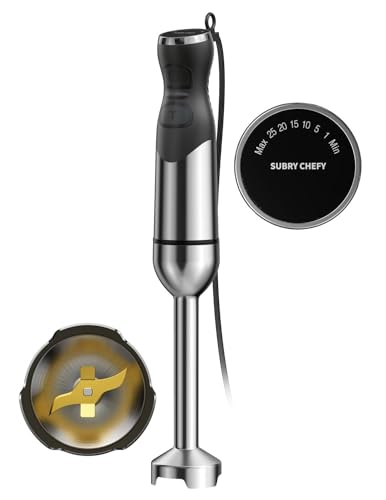
An immersion blender is the handheld version that goes directly into the pot. Most plug into an electric outlet; battery-powered models also exist.
How to use: Chop food into small pieces, cook in liquid until soft in a large pot, then submerge the blender head level into the food. Turn on and move it around — you’ll feel a suction that helps keep it flat. Turn off periodically and check that all pieces have been pureed.
Pros: All-in-one portable alternative to countertop machines. Very easy to operate — usually one-touch. Much more affordable than larger alternatives.
Cons: Food must be pre-chopped into small pieces or the head clogs. Can scratch enamel pans if the blade makes contact at an angle. Keep a firm grip — if it gets away from you, you’ll have puree everywhere.




Best Food Mills for Smooth Pureed Food
Food mills are an extremely helpful gadget for making purees that you may not have heard of. While food processors and blenders pulverize food completely, a food mill gives you a thick texture that’s more reminiscent of real food.
A food mill is a grinder and strainer built into one. Put softened food in the top and crank the handle — it forces food through grinder disks while straining simultaneously. You get smooth puree on one side, seeds and skins on the other. Because it does two tools’ work at once, you end up with a better texture for less effort.
Pros: Creates a perfect puree texture while sifting out unwanted elements. No electricity needed. Simple to use.
Cons: Manual operation may be difficult for some. Requires assembly and disassembly for use and cleaning.


Best Potato Ricers for Purees and Mashed Potatoes
Potato ricers look like large garlic mashers with a screen of rice-sized holes on the bottom. A pusher forces food through the holes, leaving you with fluffy, lump-free mashed texture — the best and creamiest result for potato-based purees.
Pros: Creates the best, creamiest texture for purees. Affordable, no electricity, easy to use.
Cons: Requires manual effort. Somewhat limited use — mainly potatoes and root vegetables. Adds a few extra steps to the process.


Other Suggested Equipment
A Good Rubber Spatula
More important than you might think. Trying to scrape pureed food out of a bowl with a metal spoon is difficult and wasteful. Get a good silicone spatula with a smooth, flat edge — heat resistant and dishwasher safe. Use high-walled or partitioned plates to keep pureed foods from running together when serving.
A Fine Mesh Strainer
Essential for a truly smooth puree, especially when using a blender or food processor. Force the puree through with your spatula — it traps larger particles and fibrous bits while letting the smooth puree through.



Pureed Diet Recipes for Dysphagia
Below are some of my favorite tested recipes. I’ve organized them by category. For more complete recipe resources, UPMC’s pureed diet guide and the IDDSI framework are excellent starting points.
How to Build Your Own Pureed Recipe
Once you understand the basics, you can adapt almost any meal. A simple formula:
- Protein base: ½–1 cup cooked meat, fish, eggs, beans, or soft cheese
- Liquid: Start with 2–4 tablespoons of broth, milk, gravy, or cooking liquid — add more gradually
- Flavor: Salt, pepper, herbs, spices, or a sauce. Don’t skip this step.
- Thickener (if needed): A small amount of flour, potato flakes, or cooked starch
The ratio: aim for roughly 3–4 parts solid to 1 part liquid as a starting point, then adjust by texture using the spoon test.
Pureed Dessert Recipes
Peach Apricot Puree
Sweet and slightly tart with oats added for bulk and staying power.
Ingredients: 2 lbs frozen peaches, 8 oz dried apricots, 2 cups apple juice (no sugar added), ⅔ cup quick oats, 1 tbsp cinnamon
Instructions: Combine peaches, apricots, and apple juice in a saucepan. Bring to a boil on high for 5 minutes, stirring occasionally. Add oats, stir well, boil another minute. Transfer to blender — fill no more than one-third full — and blend until completely smooth, 2–3 minutes.
Fig Berry Puree
Figs add tang to the sweetness of strawberries. Ground cloves give it a festive feel.
Ingredients: 2 lbs frozen strawberries, 8 oz dried figs, 1 cup apple juice (no sugar added), 1 cup quick oats, 1 tsp ground cloves
Instructions: Cut figs in half, remove stems. Combine strawberries, figs, and apple juice in a saucepan. Bring to a boil, covered, for 5 minutes. Add oats, stir, boil another minute. Remove from heat, add ground cloves, and blend until smooth.
Peaches and Cream
Instructions: Strain one jar of baby peaches. Add 1 cup ice cream, a pinch of nutmeg, and ⅛ tsp vanilla extract. Blend until smooth.
Frozen Yogurt Parfait
Works as breakfast or dessert. Puree vanilla yogurt with your senior’s favorite fruits and a bit of almond milk. Serve as-is, or freeze overnight for an ice cream-like treat.
Pureed Recipes with Protein
Italian Chicken Puree
Ingredients: ½ cup cooked chicken, 3 tbsp tomato sauce, 1½ tsp Italian seasoning, salt and pepper to taste
Instructions: Place all ingredients in a food processor or blender and process until smooth. Microwave for 30 seconds to warm through. Note: Leftover cooked chicken breast or canned chicken both work well.
Black Bean and Red Pepper Puree
A nutritious puree with a little Mexican-inspired spice.
Ingredients: 1 cup black beans (rinsed and drained), 3 tbsp enchilada sauce, 4 tbsp chopped roasted red pepper, 3 tbsp chicken broth
Instructions: Cook beans, half the enchilada sauce, and peppers in a pan over medium heat. Add chicken broth, turn off heat, and blend until smooth. Transfer to a bowl and add remaining enchilada sauce. Garnish with finely pureed guacamole or sour cream.
Tangy Chicken Salad
A mild, bland-by-design recipe good for early dysphagia recovery or post-bariatric diets. Add spice later once tolerance is established.
Ingredients: 1 cup cooked or canned chicken, 2 tbsp Greek yogurt, 2 tbsp reduced-fat mayonnaise, ½ tsp onion powder, salt and pepper to taste
Instructions: Process chicken in food processor until smooth. Add remaining ingredients and pulse until combined. Garnish with chives if desired. Note: Rinse canned chicken to reduce sodium. Canned chicken sometimes purees more consistently due to smaller chunk size.
Basic Fish Puree
Ingredients: 1 cup cooked or canned fish (tuna or salmon, well-drained), 1 tbsp reduced-fat mayonnaise, 1 tbsp chopped green onions, salt and pepper to taste
Instructions: Process fish in food processor until smooth. Transfer to bowl, stir in mayonnaise, salt, and pepper. Garnish with finely chopped green onions.
Pureed Beef Stew
Ingredients: 4 oz tender cut of beef (diced), bag of frozen peas and carrots, ½ cup beef broth or gravy, salt and pepper
Instructions: Cook beef until soft. Boil vegetables until tender. Combine with broth and blend to desired consistency. Note: Canned beef stew can also be pureed right out of the can for a fast meal.
Chicken and Sweet Potato Puree
Ingredients: 6 oz boneless skinless chicken breast, 12 oz sweet potato (peeled and cubed), salt and spices to taste
Instructions: Boil chicken about 15 minutes until done. Remove and cool. Cook sweet potato until very soft; drain and reserve liquid. Process chicken, potato, spices, and a small amount of cooking liquid until smooth. Add more liquid if too thick.
Scrambled Eggs
Ingredients: 2 eggs, 3 oz milk, salt and pepper
Instructions: Mix eggs, salt, pepper, and 1 oz milk. Cook in a saucepan on low to medium heat, stirring continuously. Place in food processor with remaining 2 oz milk and blend until smooth. Optional additions before cooking: sautéed onions, mushrooms, or ham; grated soft cheese.
Pureed Egg Salad
Ingredients: 2 hard-boiled eggs, 1½ tbsp chopped green onion, 2 tbsp diced tomatoes, 2 tbsp soft cheese (cottage, ricotta, or feta), 1 tsp sliced olives (optional), 2 tsp reduced-fat mayonnaise, salt and pepper to taste
Instructions: Mix all ingredients except cheese in a bowl. Process in blender or food processor until creamy. Gently stir in cheese and serve chilled. Tip: Add a teaspoon of baking soda to boiling water for easier egg peeling.
Side Dishes and Pureed Vegetables
Creamy Garlic Cauliflower Puree
A great lower-carb alternative to mashed potatoes.
Ingredients: 2 cups cauliflower (chopped and cooked), 1 clove garlic (crushed), 2 tbsp nonfat buttermilk, 1 tbsp soft cheese, 2 tsp olive oil, salt and pepper to taste
Instructions: Chop cauliflower into 1″ pieces and boil about 10 minutes until easily mashed with a fork. Process all ingredients until smooth and creamy. Garnish with chives. Note: Whole milk or half-and-half substitute well for buttermilk. Use caution adding cheese for dysphagia patients — check with their care team first.
Pureed Macaroni and Cheese
Instructions: Prepare your favorite mac and cheese as usual. Add 1 cup cooked mac and cheese plus 1 cup milk to blender. Blend until smooth.
Maple Sweet Potato
Ingredients: 1 sweet potato (peeled and diced), 1 tbsp cream or milk, 2 tsp maple syrup, 2 tsp butter, pinch of cinnamon
Instructions: Boil or microwave sweet potato until soft. Blend all ingredients together until smooth.
Cream of Broccoli Soup
Ingredients: 2 tbsp butter, 2 tbsp oil, 2–3 tbsp flour, 1 cup milk, 1 bag frozen broccoli, ¼ cup soft shredded cheese, potato flakes (for thickening if needed)
Instructions: Combine butter, oil, and flour in a pan on low heat, stirring until it begins to bubble. Slowly stir in milk and simmer until thickened. Microwave broccoli until warm and soft. Puree base with broccoli and cheese using an immersion or standard blender. Add potato flakes to thicken if desired.
Pureed Smoothie Recipes
Banana Protein Shake
Ingredients: 1 cup almond milk, 1 cup plain Greek yogurt, 1 scoop vanilla protein powder, 1 frozen banana, ⅛ tsp ground cinnamon
Instructions: Blend all ingredients until smooth. Add more almond milk if too thick.
Strawberry Protein Shake
Ingredients: ½ cup almond milk, ¼ cup Greek yogurt, 3 fresh or frozen strawberries, ½ scoop vanilla whey protein powder, 3 ice cubes, stevia or honey to taste
Instructions: Blend all ingredients until smooth. Add almond milk if too thick.
Bringing It All Together
As we age, changes in our bodies may make eating more difficult. But pureed food doesn’t have to be that much different from solid food. Just cook many of your favorite meals as normal and enjoy them blended.
If holding a spoon is also hard for your loved one, I explain how the Meal Lifter to help with eating can ease strain on the hand and arm.
Use high-walled or partitioned plates to keep foods from running together. If the elderly person has difficulty with standard utensils, check out these easy-to-use forks and spoons. Use adult-sized sippy cups for liquid foods.
With a little practice and the right techniques, you can create nutritious pureed food that looks, smells, and tastes great. The recipes above are just a starting point — once you understand the basic ratios, nearly any favorite meal can be adapted.
Have experiences with pureed foods for the elderly? Techniques or recipes that have worked well? Share them in the comments below.
Sources:
![Keep older woman plating tempeh grain bowl kitchen counter[1]](https://www.grayingwithgrace.com/wp-content/uploads/2026/05/KEEP-older_woman_plating_tempeh_grain_bowl_kitchen_counter1-e1779362353354-450x300.jpg)
![Keep older woman hands wrapped around coffee mug armchair[1]](https://www.grayingwithgrace.com/wp-content/uploads/2026/05/KEEP-older_woman_hands_wrapped_around_coffee_mug_armchair1-e1779362196840-450x300.jpg)








I cannot thank you enough for all of your time and effort on this article it was so very helpful to me. We are taking care of a friend who is suffering from a swallowing disorder and he loves my home cooking and after learning about all of your tips and your recipes I feel so much more confident that I can do the best by him. Thanks for everything!!!
Hello Patty – thank you so much for your kind words and for taking the time to let me know this. I work really hard on this information like this to help people out and I love hearing stories like this. It keeps me motivated to keep writing and helping! – Scott
This was the first site I found that gave me good, sound, every day kind of advice. My husband has Parkinson’s and is getting to the point where he will need to eat more pureed foods. I have been researching sites for recipes, suggestions for type of blender to use, etc. I am signing up for your weekly updates as I’m sure they will give me good ideas to think about and/or incorporate in to my daily meal prep.
Thank you for all this information! My father has Alzheimer’s and the doctor told us today that we need to shift him to a pureed diet. This article answered so many questions although I do have one I would like to ask. Can you freeze pureed foods? I would like to be able to prepare meals that my mom can pull out and just reheat and blend with an immersion blender.
Hello Amy – You can freeze some pureed foods and you have the right idea. When you freeze and thaw the water will separate from the puree, so it needs to be reblended. Sometimes you may need to add a little milk to get the right consistency. Good luck! –Scott
My mother is coming home from rehab next week, post surgery from an intestinal blockage, now with a swallowing disorder, and with a probably dx of lung cancer (not putting her through testing because of her age and risks involved). I am very nervous about preparing the proper meals (now on pureed diet), and found your site so helpful. Thank you from the bottom of my heart for sharing.
Thank you so much for this information. I am bringing my mum home for 9 days and thinking about permanent at this stage. You have some great ideas and have encouraged me immensely. She is on a pureed diet and doesn’t eat much but I will be spoiling her when she comes home. I cant wait. Thank you for your inspiration.
Thank you very much
Thanks Teresa for the very touching comment! Hope all goes well with your transition –Scott
Thank you so much for this info. I am recovering from bariatric surgery and will begin pureed food stage next week. These recipes will help me a great deal. Not every ingredient is allowed, but I can make substitutions to keep me on track.
Thank you for your ideas. Our facility just purchased food molds but found they are easiest to use for meats and not so much for fruits & vegetable because once heated, they don’t hold their shape. We use instant potatoes to help thicken vegetables. We also have instant beans but have not tried yet. I see some of recipes include beans so will give them a try.
This is perfect for all my husband’s needs, i.e. dysphagia with IBM disease and progressive dental problems. BUT, I would love to print all this out. Is there a printer friendly version, book or pamphlet, please? Thank you.
Patricia Underhill
This site is the best one I’ve seen if it’s kind! Well done you! I love the practical tips and the attention to explaining all the steps to make the food savory and safe! I feel so much more confident in being able to prepare TASTY, nutritious puréed meals at home.Thank you so much for this <3
Thank you so much for this. I am my Mom’s caregiver she is 102 and beginning to develop dysphagia. I noticed it after she had a horrible bout with a UTI and never fully recovered. She began to just chew and chew food that didn’t take that long to chew so I looked it up and discovered what it was. I began to research and found this as well as blenders and food processors. I found that baby food processors are also amazing because they not only puree but lots of them have features where they steam the food. They’re pretty awesome and make just enough. Thanks again for these amazing recipes. I had not idea what to do but knew that I still wanted her to eat well.
I am on a “ full liquid diet “ diet but am allowed puddings, some foods like puréed cereals etc. and have been eating cream soups etc. Thank you so much for these recipes that will enable me to vary my diet. I don’t have trouble swallowing but have a stent that is in the intestines and am limited to the consistency of food that I do eat and think I can modify these recipes to my needs.
This is great information. It can be so hard to help a senior get enough nutrition. I found some additional helpful ideas specific to adding in more fruits and veggies in this article: https://www.hahcare.com/creative-senior-diets/
Just at the beginning of this journey–husband is on a feeding tube, transition beginning, but as the insurance is insisting he be sent home from rehab, creating safe by-mouth foods that taste great will fall to me. This one well-written article, with so much information is incredibly valuable and I thank you more than I can begin to express. You need to publish cookbooks!!! I’d buy one and I’d bet thousands of folks also would.