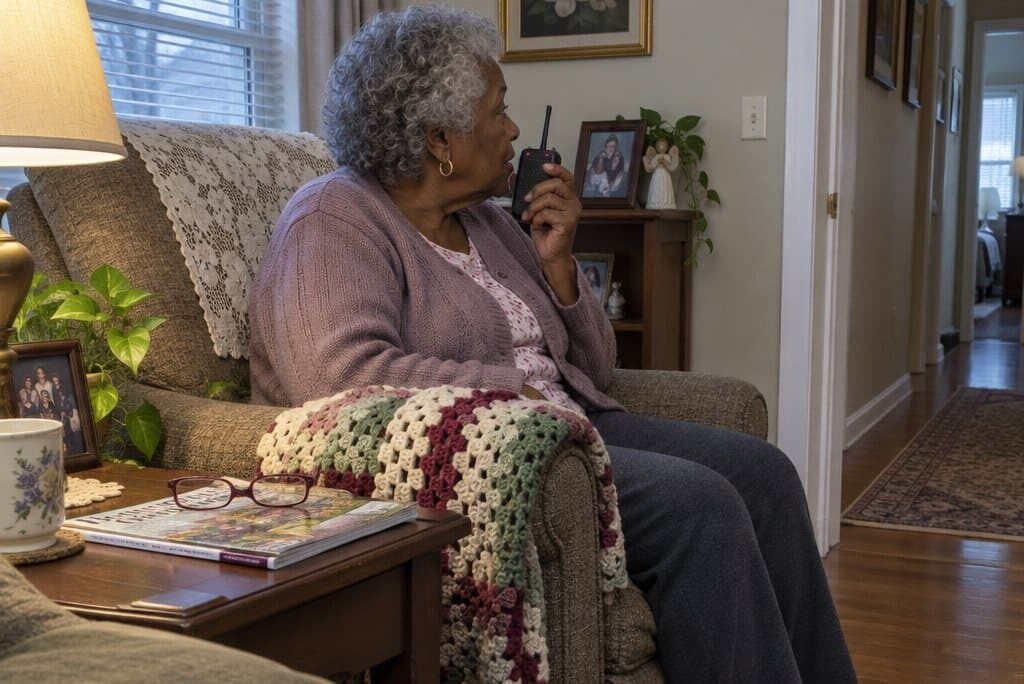
Walkie-talkies were once a staple in the realm of personal communication.
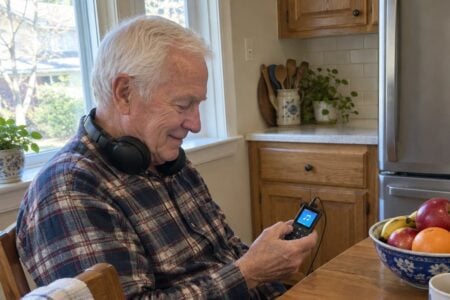
But, even today, they still have tremendous benefits for those who need quick and efficient contact, like seniors.
Think I’ve lost my mind?
Here are some ways that walkie-talkies are helpful for seniors and the people who care for them:
- Seniors living on the same property or in “mother-in-law” suites can use them to communicate with other loved ones.
- They can be used instead of caregiver call buttons because they offer two-way communication. Think about bathroom and nighttime safety and the ability to check without physically going to their location.
- Temporary uses include communication after surgery or during illness.
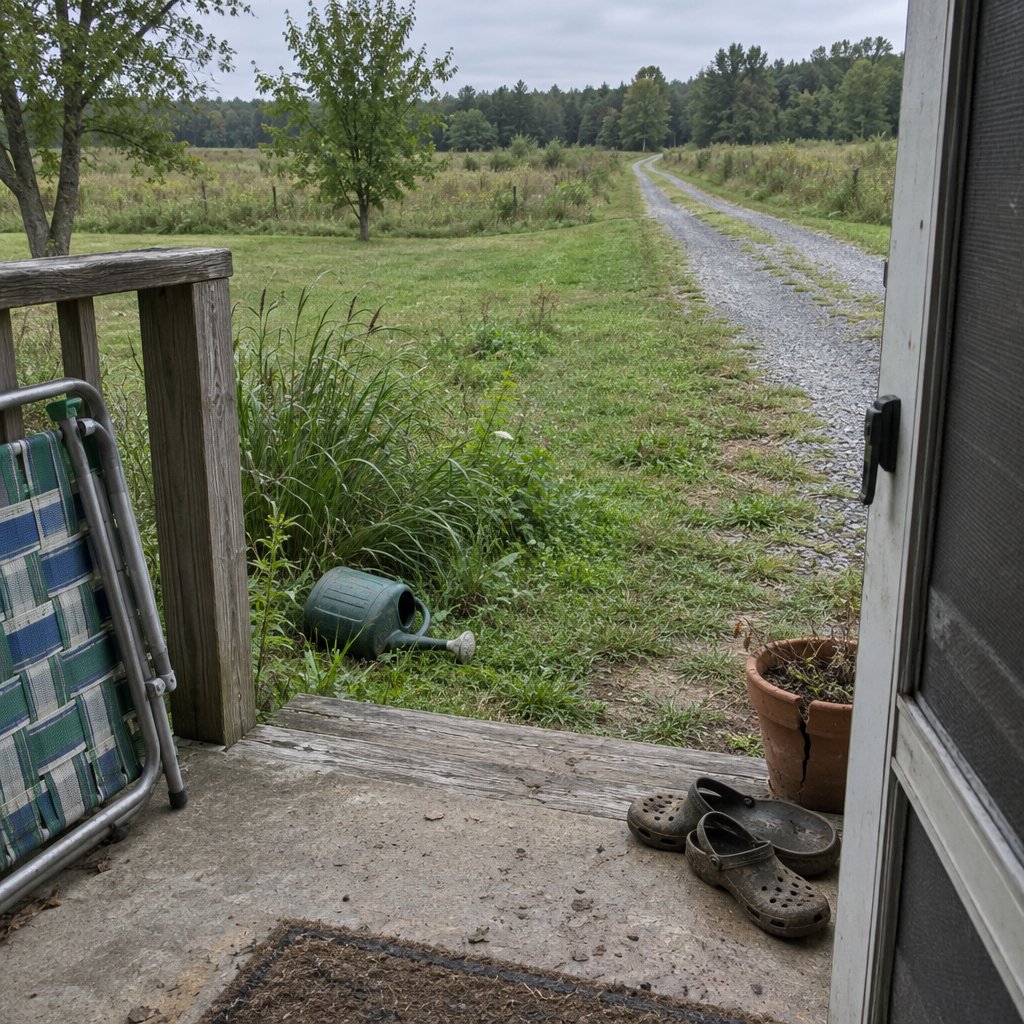
- Keeping a walkie-talkie on hand during community events, when working in the garden, or during outdoor activities promoted independence without the need to “hover.”
- They may work better in areas with spotty or no cell service.
Let’s explore how you can find the right walkie-talkie that benefits you or a senior you love in your unique everyday situations.

Keeping Connected with Ease: Which Walkie-Talkie Suits Your Lifestyle?
Walkie-talkies for seniors should be user-friendly, with clear audio, simple controls, and additional features tailored to their needs, such as large buttons and even emergency alerts. Models with reliable range, durability, and ease of use are essential.
- The long range ensures that older adults can communicate over the distances typically found in their living environments, be it a house with a garden, a retirement community, or while on walks.
- Durability is necessary because the device should withstand the occasional drop or bump.
- Straightforward operation, with uncomplicated interfaces and clearly marked buttons, minimizes confusion and ensures seniors communicate without hassle.
- Pay attention to battery life when purchasing a walkie-talkie for seniors. The last thing you want is for the device to lose power during an important conversation or, worse, an emergency. Some models offer a base station that serves as a charger and a stand, making it easier for seniors to keep their walkie-talkies charged and ready to use.
For more detailed shopping advice, see the Buying Guide that follows.
Retevis RT20 Wearable Walkie Talkie

Seeking a reliable communication aid for your home or during outings? These compact Retevis walkie-talkies are just the right size for seniors wanting to stay in touch with their companions or caretakers without the complexities of modern smartphones.
With a straightforward operation system, the Retevis RT20 ensures clarity of communication. The hands-free feature is handy when managing tasks, allowing for uninterrupted conversation. Plus, including a USB-C charging port makes it up-to-date with the latest tech standards.
Despite being user-friendly, remember these devices might not perform their best in highly obstructed areas. It’s always wise to test their range in your most frequented environments to ensure they meet your needs.
Remember to charge them as needed — the indicator light will conveniently signal when it’s time to power up.
Retevis RT18 Rechargeable Walkie Talkie

When considering walkie-talkies designed with senior users in mind, you’ll appreciate the intuitive design of the Retevis RT18. Its dual PTT feature lets you communicate easily; use the side button or the larger, more noticeable center button, perfect if dexterity is an issue.
These walkie-talkies are refreshingly lightweight and sleek. Their slender profile ensures you can carry them effortlessly during daily activities or outdoor adventures like picnics or garden work.
The included metal clip is robust, securely attaching the device to a belt or backpack, which is convenient when you need your hands free. Plus, with the key lock feature, you won’t accidentally switch channels during an important conversation.
However, every product has its limitations. For the Retevis RT18, a significant consideration is its lack of water resistance. If you enjoy outdoor activities, remember that damp conditions could be problematic for this device.
A second point to consider is the LED ‘breathing light’ feature. While useful for locating the device in the dark, it may be unnecessarily distracting for some, especially if you prefer a more discreet indicator.
Lastly, the lack of a charging cradle might be a drawback for those who value convenience in recharging. Nonetheless, the Y-cable with dual USB connectors does allow for charging two devices simultaneously, which is still quite practical.
Midland T10 Walkie Talkie

Staying in touch with a walking partner, or with someone in another part of the house or yard, is a comfort. The Midland T10 X-Talker comes as a pack of two, so you have both radios ready to go.
It has 22 channels and 38 privacy codes. The codes help keep other people’s chatter off your line, which matters when neighbors or other groups are using the same channels. You pick a channel and a code once, set both radios the same, and you’re done.
It also has hands-free use through voice and sound activation. That helps when you’re gardening, carrying groceries or holding a railing, and pressing a button is the last thing you want to do.
There’s a weather alert feature too, handy if you spend time outdoors and want a heads-up before the sky changes its mind. It also has channel scan, which lets you find a channel that’s in use.
The trade-off is that all those channels and codes mean a little setup. If you want a radio with one button and nothing else to think about, ask someone to set both radios the same way before you head out.
Also, walkie talkies only reach each other. They won’t call for help the way a phone will, and buildings, trees and hills can cut down how far they carry. Think of them as a good way to stay in touch, not a safety line.
Pxton Rechargeable Walkie Talkie

Walkie-talkies can be an essential part of staying connected for seniors, especially when cell phone reception is unreliable or when simplicity is preferred. The pxton Long Range Two-Way Radios offer users the ease of push-to-talk communication, making it user-friendly for seniors who might not be tech-savvy.
Durability is a key concern when choosing devices for seniors, as they need equipment that withstands daily use and the occasional drop. These radios are sturdy and can endure moderate impact, which means one less worry about accidental damage.
A device’s battery life determines how often you need to charge it and, thus, its readiness in times of need. With the pxton radios, you get a battery that stands up to a full day’s use, ensuring that they are ready when you need them, whether for a quick trip to the store or keeping in touch during an outdoor activity.
Retevis RT68H Walkie Talkie


The Retevis RT68H comes as a pair of rugged two-way radios, so you and a companion each have one right out of the box. They work without any cell signal, which matters on a hiking trail or a campground where a phone shows no bars.
The keylock is the feature I’d point to first. It locks the channel so it doesn’t get bumped to a different one while the radio rides in a pocket or pack. If you’ve ever pulled out a gadget and found its settings scrambled, you’ll see the point.
It also has VOX, which is a hands-free mode. You talk and the radio sends your voice, with no button to hold. That helps when you’re carrying a walking stick, a cup of coffee, or a grandchild’s jacket.
Charging is flexible. You can set the radios on the desktop charging base, or plug a USB-C cable straight into one.
Now the downsides. Range drops noticeably in wooded or built-up areas, so don’t count on the full distance where there are lots of trees or buildings between you. VOX can also be set off by wind or background noise, so a quiet spot works best.
There’s no confirmed water-resistance rating either, so I’d keep these out of the rain. If you want something to use around a rainy campsite or a boat, look for a radio with an official waterproof rating.
Retevis RB48 Waterproof Walkie Talkie


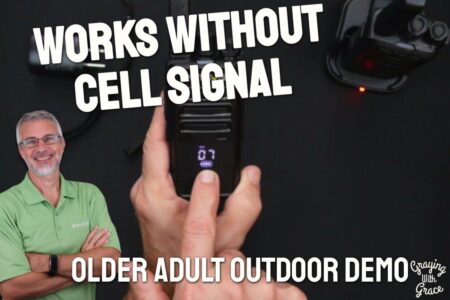
Staying in touch with family and friends shouldn’t be a worry, especially when an older adult is out in the yard, on the property, or away from cell service. The Retevis RB48 is a pair of walkie talkies built for that. They work without cell towers or monthly fees, so they keep going in rural dead zones where a phone gives up.
If you want to see them in action, I made a video showing the Retevis RB48 walkie talkies for seniors, including the waterproof build and the 20-hour battery.
Setup is about as simple as it gets. The two radios come pre-paired out of the box, with no app and nothing to program. That suits anyone who doesn’t care to fuss with technology.
They are also made to take a beating. They meet MIL-STD-810H, a military durability standard, and were put through more than 1,000 drops from two meters. The IP67 rating means rain and splashes are no problem. They are also rechargeable by USB-C, and the battery runs about 20 hours, so you aren’t hunting for batteries before a walk. They include NOAA weather channels too, which is handy when a storm is on the way.
Now the downsides. Range drops sharply inside metal-frame buildings, so don’t count on them across a big steel-built structure. IP67 covers rain and splashes, not extended swimming, so keep them out of the pool.
If you want a simple, sturdy way for a parent and a caregiver to reach each other, these fit the job well.
Cobra PX280 Walkie Talkie

The Cobra PX280 is a pair of two-way radios built for workplaces like shops, restaurants and hotels. That same plain design happens to suit a lot of older adults, because it keeps things simple.
You press one button to talk. It uses FRS channels, which are license free, so there is nothing to sign up for or pay to use.
It also has voice prompts and button-press confirmation, so you get a signal that the radio registered what you did. That helps if you don’t like guessing whether a button worked.
The battery is lithium-ion and runs about 12 hours, which covers a full day of use. You charge it by setting it in a dock, so there is no small cable to line up. If you want a spot where the radios always live and are always ready, that works well.
The PX280 has an IP54 rating. That means it is protected against dust and splashing water, which is handy for a garden, a garage or a workshop. It is not made to be dunked, though, so keep it out of the pool.
It also has VOX, which lets the radio start transmitting when it hears your voice, so you don’t have to press a button. That is useful when your hands are busy. The catch is that VOX can pick up background noise, like a TV or a running tap, and send that instead. You can always go back to the button.
This set is not designed with seniors in mind, and it is aimed at work teams. If you want something made around a particular need, such as emergency calling, a radio is the wrong tool anyway. Like any two-way radio, it will reach less far through walls, hills and trees than it will across open ground.
For a couple of people who want a sturdy, simple pair that talks at the push of a button and lasts all day, it is a sensible choice.
Buying Guide
What Can Ease of Use Do for You?
Look for user-friendly devices with straightforward interfaces and large, clearly labeled buttons. The buttons should also be easy to press! An uncomplicated menu system or a one-button direct channel access can significantly reduce the learning curve and make the communication process smoother for the elderly.
| Feature | Benefit |
|---|---|
| Large Buttons | Easier to press and avoid errors |
| Simple Menus | Quick to learn and operate |
What Type of Range is Needed?
The walkie-talkie range – the longest working distance between units – is crucial for seniors. The correct range:
- ensures quick emergency communication
- supporting their independence by allowing free movement around their home and neighborhood.
- provides clearer communication due to stronger signal strength, which is especially important for those with hearing difficulties.
Here’s a table recommending walkie-talkie ranges for various situations commonly encountered by seniors:
| Situation | Recommended Range | Reason |
|---|---|---|
| Home Use | Up to 1-2 miles | Covers average household and immediate outdoor area. |
| Outdoor Activities | 2-5 miles | Ensures connectivity in open spaces like gardens or community settings. |
| Rural/Large Properties | Over 5 miles | Essential for vast distances, especially where cell signals are weak. |
| Travel/Group Events | 5-10 miles | Provides flexibility and reliability in diverse environments. |
How Important is Sound Quality?
Excellent sound quality is essential, especially for those with hearing difficulties.
Choose walkie-talkies with adjustable volume controls and clear audio output to ensure your messages are always understood. Noise-cancellation features can also be beneficial to negate background noises often found in busy environments.
- Adjustable Volume: Tailor audio level for comfort
- Noise Cancellation: Block out unwanted background sound
Why Should Weight and Size Matter to You?
The physical design of the walkie-talkie is also a key factor.
A compact and lightweight model is easier to carry around, which is a significant advantage for seniors with limited strength or dexterity.
Models with lanyards and belt clips are even easier to use because they don’t have to be held in the hands when not being used.
| Design Aspect | Reasoning |
|---|---|
| Lightweight | Less strain on hands and wrists |
| Compact | Portable and less intrusive to daily activities Easier to hold in frail hands |
| Hands-Free | Lanyards and clips allow hands-free portability |
Does Battery Life Make a Difference?
Yes, it does. Walkie-talkies with long battery life avoid frequent charging, which can be bothersome.
Models with charging stations are easier to use than small, fiddly cables or having to change batteries. So, pay attention to the ease of charging any walkie-talkie set you consider.
This can be a tremendous relief for those with arthritis or impaired vision.
| Feature | Benefit |
| Long Battery Life | Reduces need for constant recharging |
| Rechargeable Batteries | No need to open tight compartments or buy batteries |
| Easy-to-Use Chargers | Fuss-free charging solutions |
Remember that the right walkie-talkie enhances independence and provides peace of mind for seniors and their caregivers by ensuring a reliable line of communication.
Why Does Investing in a Quality Walkie-Talkie Make a Difference for Seniors?
Choosing a quality walkie-talkie can greatly enhance a senior’s ability to stay in touch with family members and caregivers within a home or community setting. Especially for those with mobility issues, contacting someone for assistance quickly is comforting and essential.
Imagine if you’re in the garden and need help or if you have a sudden health concern – with a reliable walkie-talkie, help is just a call away without needing to reach a phone.
Can Walkie-Talkies Improve Safety for Independent Living?
For seniors living independently, safety is a paramount concern. Walkie-talkies with an emergency feature allow you to alert others at the press of a button.
This can be crucial if you or a loved one falls or requires immediate assistance.
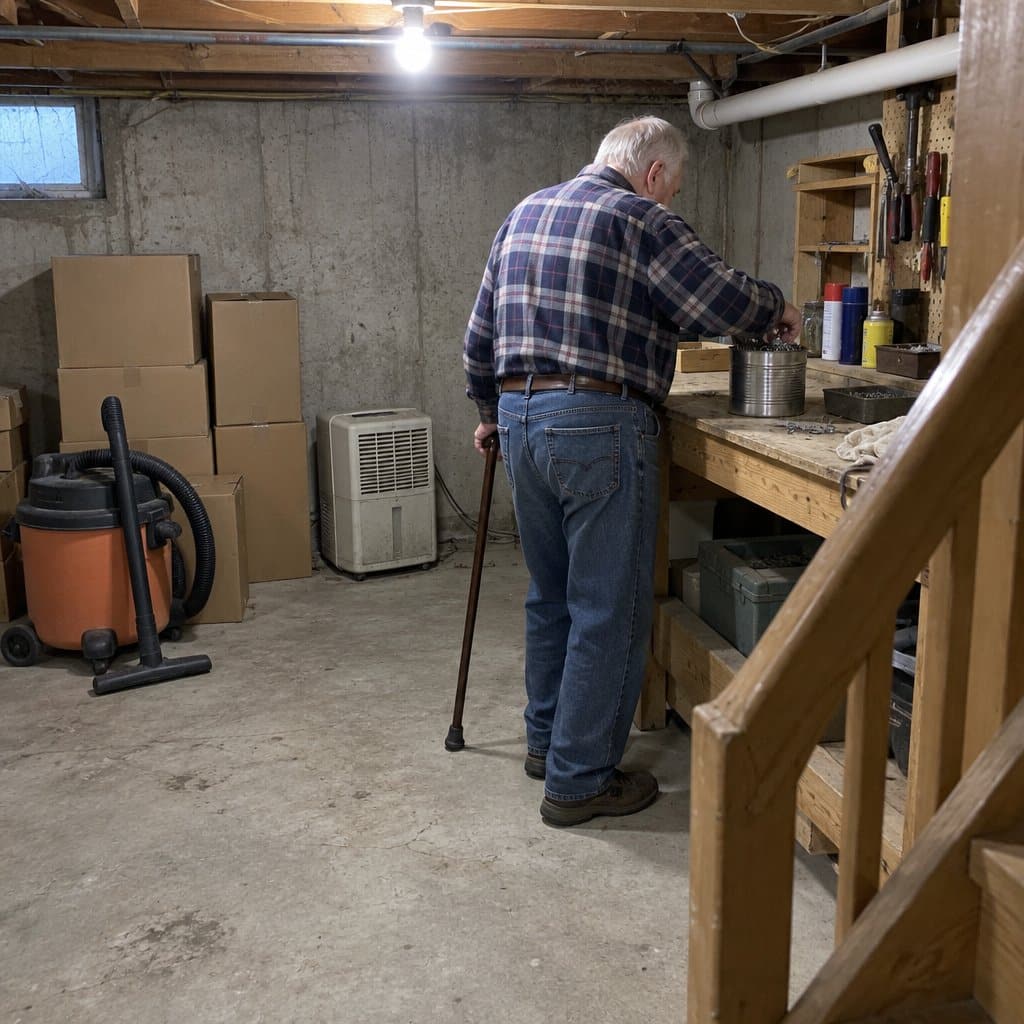
For example, a spouse in the basement can easily be reached during an emergency with a walkie-talkie, eliminating the time needed to find someone physically.
Are There Walkie-Talkies That Are Easy for Seniors to Use?
Manufacturers are increasingly designing walkie-talkies with features like large buttons and easy-to-read screens to facilitate seniors’ ease of use.
Consider Jane, who has a walkie-talkie with a one-touch button that she uses to talk with her daughter across the house. This simple design means Jane doesn’t have to fiddle with multiple settings, making communication effortless and efficient.
Here are some of the easier to use walkie-talkies:
How Can Walkie Talkies Help with Daily Activities and Socializing?
Aside from safety and convenience, walkie-talkies can aid daily activities and social engagement.
Joining a friend for a walk around the neighborhood or coordinating meet-ups within a large living community becomes simpler with a walkie-talkie.
Plus, the instant nature of walkie-talkie communication adds spontaneity to your social interactions, keeping you connected and engaged with your community.
Frequently Asked Questions
Choosing the right walkie-talkie also enhances safety and comfort for seniors. Below, you’ll find answers to common questions about selecting and using walkie-talkies tailored to elderly users.
Are there any walkie-talkie models specifically designed for seniors with dementia?
Some walkie-talkies come with simplified design and functionality, like pre-set channels and a limited number of buttons, which can aid seniors with cognitive challenges like dementia.
Can seniors with limited mobility or dexterity use walkie-talkies?
Certainly, walkie-talkies with hands-free options, such as headset compatibility or clip-on designs, can be very useful if you have limited mobility or dexterity. Voice-activated units and single-button designs are helpful here, too.


Are there wearable walkie-talkie options suitable for elderly individuals?
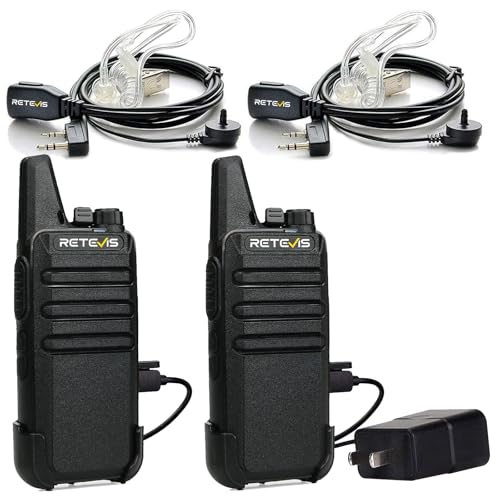
Wearable walkie-talkies, such as lanyard, clip-on, and belt-clip models, are available and can be excellent for maintaining communication without needing a handheld device.
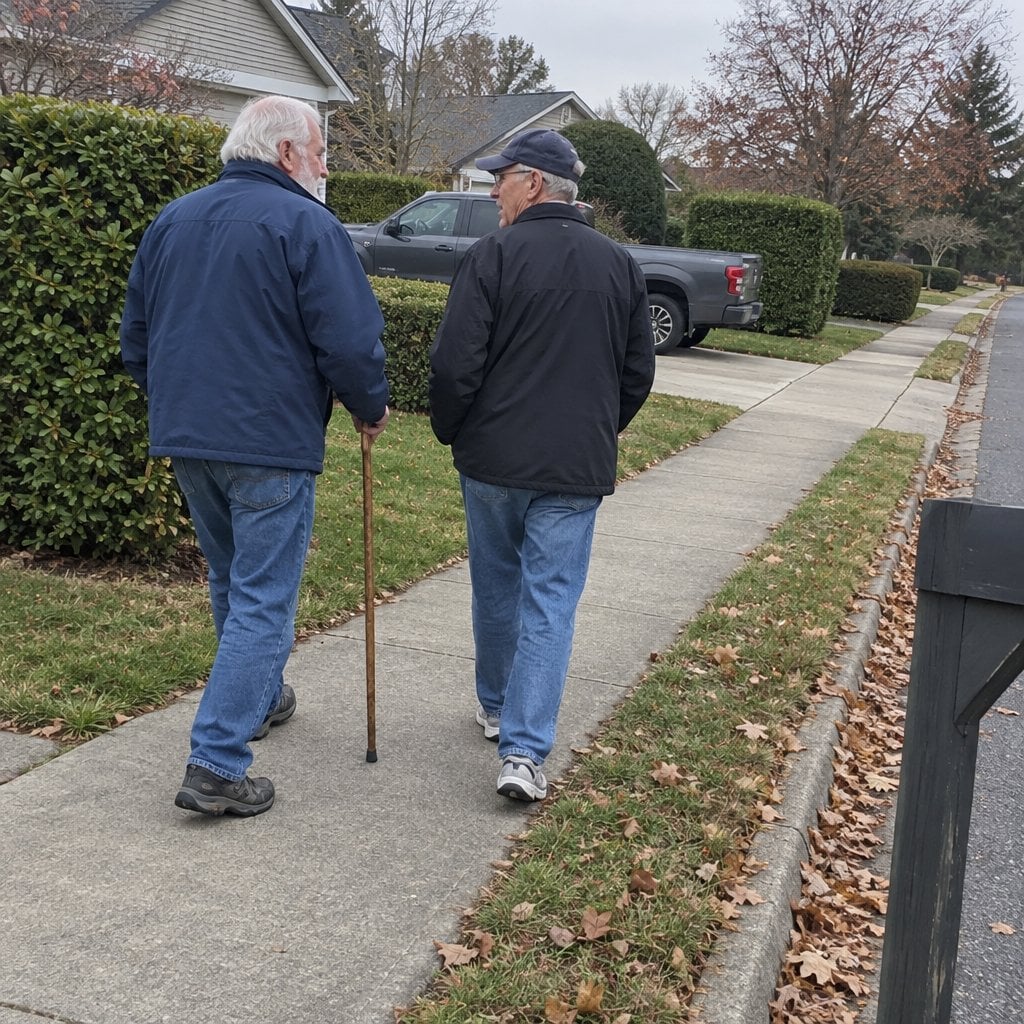
Take the Step Towards Enhanced Communication: Select Your Ideal Walkie-Talkie
Walkie-talkies are not just a relic of the past but a practical and efficient communication tool, especially for seniors.
They offer a sense of security and independence, allowing for quick and easy contact with loved ones or caregivers. Whether for daily check-ins, emergency situations, or simply staying connected during outdoor activities, walkie-talkies can be a lifeline.
Choosing the right walkie-talkie depends on individual needs.
- For those living in larger properties or rural areas, a model with a longer range is ideal.
- Seniors who prioritize simplicity might prefer walkie-talkies with large buttons and straightforward operation.
- And for active seniors, lightweight and wearable options can be the best choice.
Remember, the perfect walkie-talkie is out there to suit every lifestyle and need. It’s about finding the balance between ease of use, functionality, and comfort.
Investing in a quality walkie-talkie can significantly enhance the daily lives of seniors, offering them a reliable way to communicate and maintain their independence.
We’d love to hear your thoughts and experiences with walkie-talkies for seniors. Your input could help others make informed decisions and stay connected in their golden years.
Have you or a loved one used them?
What features do you find most beneficial?
Share your stories and insights in the comments below, and don’t forget to spread the word on social media.